Key Takeaways
- Executive function skills—including planning, working memory, cognitive flexibility, and inhibitory control—can be strengthened at any age through consistent, everyday practice.
- Concrete tools like checklists, planners, visual schedules, and timers support a child’s executive functioning skills at home and school, with research showing children who follow daily routines exhibit a 30% improvement in time management and task completion.
- Cooking, art, sports, pretend play, and simple household chores are powerful, low-cost executive functioning activities that build cognitive skills naturally.
- Early, consistent support prevents long-term academic struggles and emotional difficulties related to executive dysfunction.
- Progress is gradual—small improvements in routines can appear within 2-4 weeks, while larger shifts may take several months.
What Are Executive Function Skills?
Think of executive function as your brain’s air traffic control system. It manages the mental processes that help us plan, focus, remember instructions, and regulate emotions and behavior. These essential skills don’t develop overnight—they emerge from early childhood through the late 20s, which means practice and support over many years are both normal and necessary.
The core executive functions include:
| Skill | What It Does |
|---|---|
| Working memory | Holds information in mind and manipulates it (crucial for retaining information and applying it to new contexts) |
| Inhibitory control | Helps resist distractions and suppress impulsive responses |
| Cognitive flexibility | Allows shifting attention between tasks and adapting to unexpected challenges |
| Planning/Organization | Breaks complex goals into manageable steps |
| Time management | Estimates durations and allocates time appropriately |
| Self-monitoring | Reflects on performance and adjusts behavior |
These executive functioning skills show up constantly in everyday life. Getting ready for school by 7:30 a.m. requires sequencing multiple tasks—wake up, get dressed, eat breakfast, pack the school bag. Finishing homework demands sustained attention despite distractions. Coping with a canceled soccer practice tests flexible thinking and emotional control.
Consider the contrast: a child with strong executive function might pack their sports bag the night before, anticipating what they’ll need. A child struggling with these skills forgets their cleats weekly, leading to frustration and lost opportunities. Neither scenario reflects intelligence or motivation—it reflects the development of function skills that can be built with the right support.
Signs Your Child May Need Help With Executive Functioning
Many kids struggle with executive functioning challenges at some point, especially during transitions like starting school or entering adolescence. The occasional forgotten assignment or messy room is normal. What distinguishes executive dysfunction from typical forgetfulness is a pattern that persists across settings—home, school, and activities—for six months or longer.
Age-specific warning signs:
- Ages 4-6: Frequent meltdowns when asked to switch activities, difficulty following two-step directions
- Ages 7-10: An 8-year-old who routinely forgets homework at school despite reminders four or more days per week
- Ages 11-12: Chronic lateness despite alarms, spending two hours “starting” a 20-minute assignment
- Teens: Backpacks overflowing with crumpled papers, missed deadlines on school projects, difficulty managing homework assignments independently
Common red flags include trouble following multi-step directions, emotional outbursts during transitions, difficulty initiating tasks, and persistently disorganized spaces. Children who struggle to regulate emotions may also show signs—research indicates that emotional regulation is vital for effective executive functioning, as children who can manage their feelings tend to be more focused and interact more positively with peers.
Executive functioning issues often overlap with ADHD (approximately 80% comorbidity), autism, and learning differences. However, you don’t need a formal diagnosis to begin building skills. The strategies that help children with diagnosed conditions benefit all younger children and older kids alike.
Consider seeking support from occupational therapists, educational therapists, or psychologists if concerns persist for six or more months across multiple settings, or when anxiety and self-esteem are clearly affected.
Core Strategies to Build Executive Function Skills
These foundational tools can be implemented immediately, before or alongside professional support. Establishing a structured environment is key for children, as they thrive on predictability and consistent routines.
Checklists and Visual Schedules
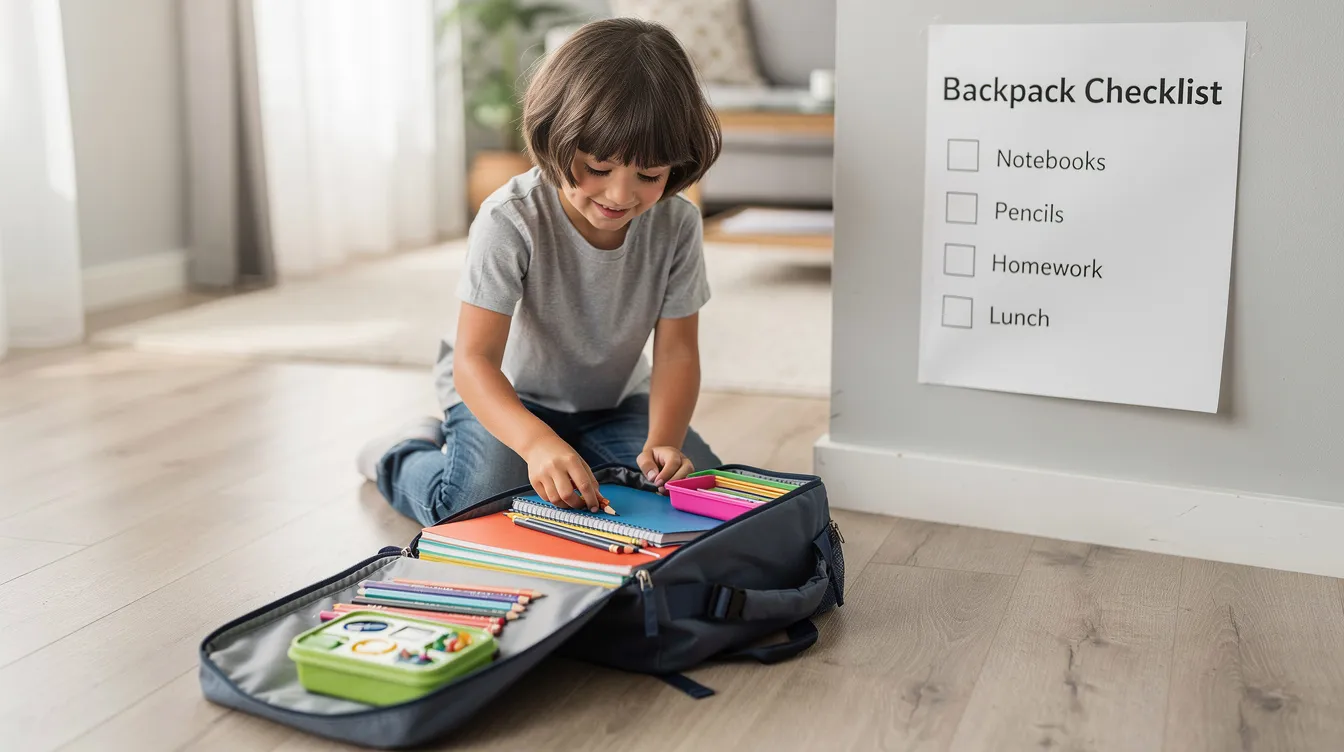
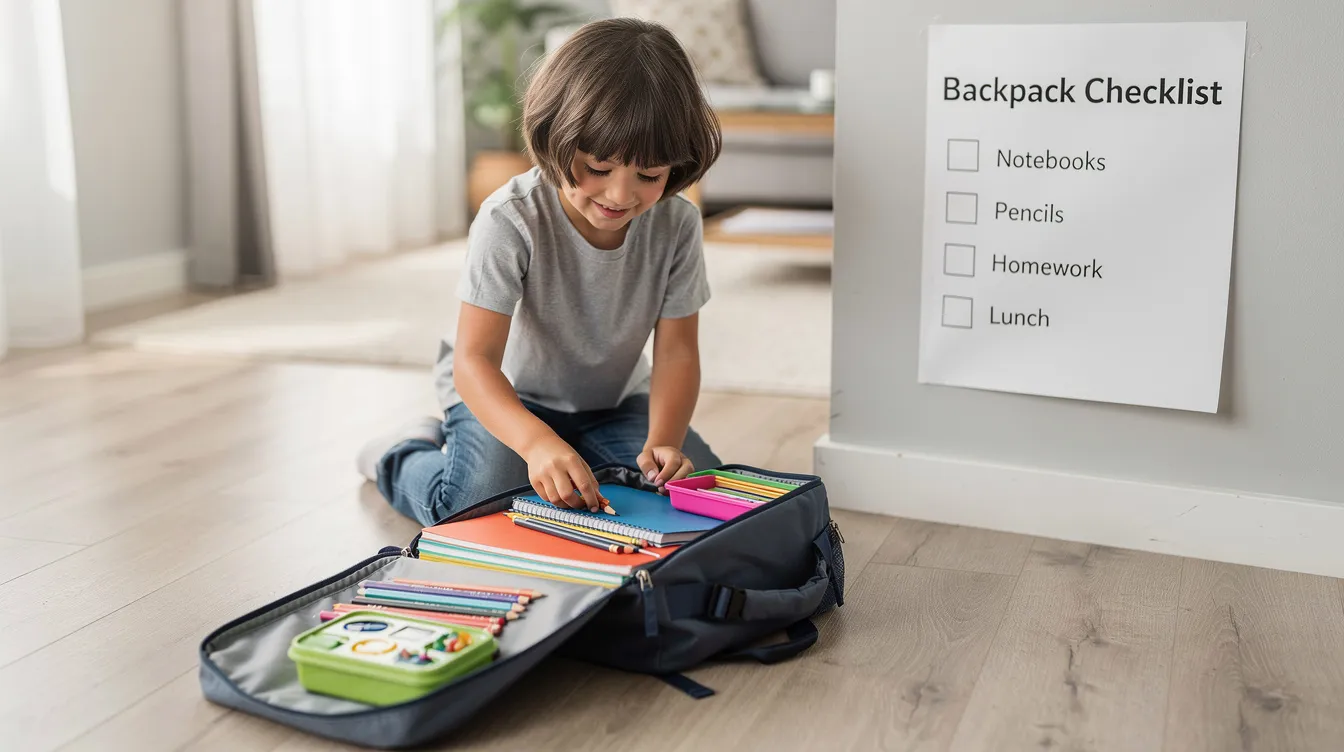
Visual schedules, such as charts or calendars, serve as practical tools for guiding children in meeting daily responsibilities and enhancing their executive functioning skills. For a 7-10-year-old, a laminated morning routine chart might include:
- Brush teeth
- Get dressed
- Eat breakfast
- Pack school bag
- Check backpack against checklist
Visual tools like checklists and calendars help children manage deadlines and keep track of belongings. Predictable environments reduce cognitive load and improve task initiation through consistent routines.
Time Limits and Timers
Using timers to track time can enhance focus and improve time management skills. Try these approaches:
- 15-minute “sprints” for cleaning a room (beat the buzzer!)
- 25-minute homework blocks followed by 5-minute breaks (Pomodoro-style)
- Visual timers that show time shrinking for younger kids
Planners for Older Children
For ages 10 and up, introduce planners or digital calendars. Schedule a weekly “planning session”—perhaps Sunday evening for 15 minutes—to log assignments, due dates, and extracurricular activities. Color-coding by category (red for urgent, blue for sports) builds organization skills.
The Eisenhower Matrix is a useful tool for teaching older kids to prioritize tasks by urgency and importance, helping them decide what to tackle first.
Spell Out the Rationale
Reduce resistance by explaining why routines matter. Instead of “Use your checklist,” try: “We use checklists so you remember everything and don’t feel stressed searching for your cleats before practice.” This builds metacognition and reduces power struggles.
Goal-setting is a fundamental aspect of nurturing executive functioning skills, as it helps children establish achievable short-term and long-term objectives. Engaging children in planning activities teaches them to break tasks into manageable steps, which instills the value of organization and effective planning. Breaking long-term projects into small, manageable steps teaches children to reduce overwhelm when tackling tasks.
Consistent daily habits, such as using planners, checklists, and breaking down large tasks into smaller steps, enhance executive function skills in children and adolescents. Effective strategies for building executive function skills involve creating structured routines, using visual aids, scaffolding, and practicing metacognition.
Executive Functioning Activities by Age
Executive function grows through repeated practice in real-life situations, not just worksheets or apps. Structured activities provide the practice ground where these mental skills develop through social interaction and engagement.
Ages 4-6: Play-Based Learning
Younger children learn best through fun activities that feel like play:
- “Red Light, Green Light” builds inhibitory control—stopping on red taxes impulse control directly
- Simple cooking tasks like washing vegetables or stirring batter practice sequencing and working memory
- Picture-based chore charts teach initiation through visual cues
- Sorting activities help build organizational skills, cognitive flexibility, and attention to detail, providing endless opportunities for children to practice these skills
- Pretend play and imaginary play develop self regulation and flexible thinking
Ages 7-12: Rule-Based Games and Responsibilities
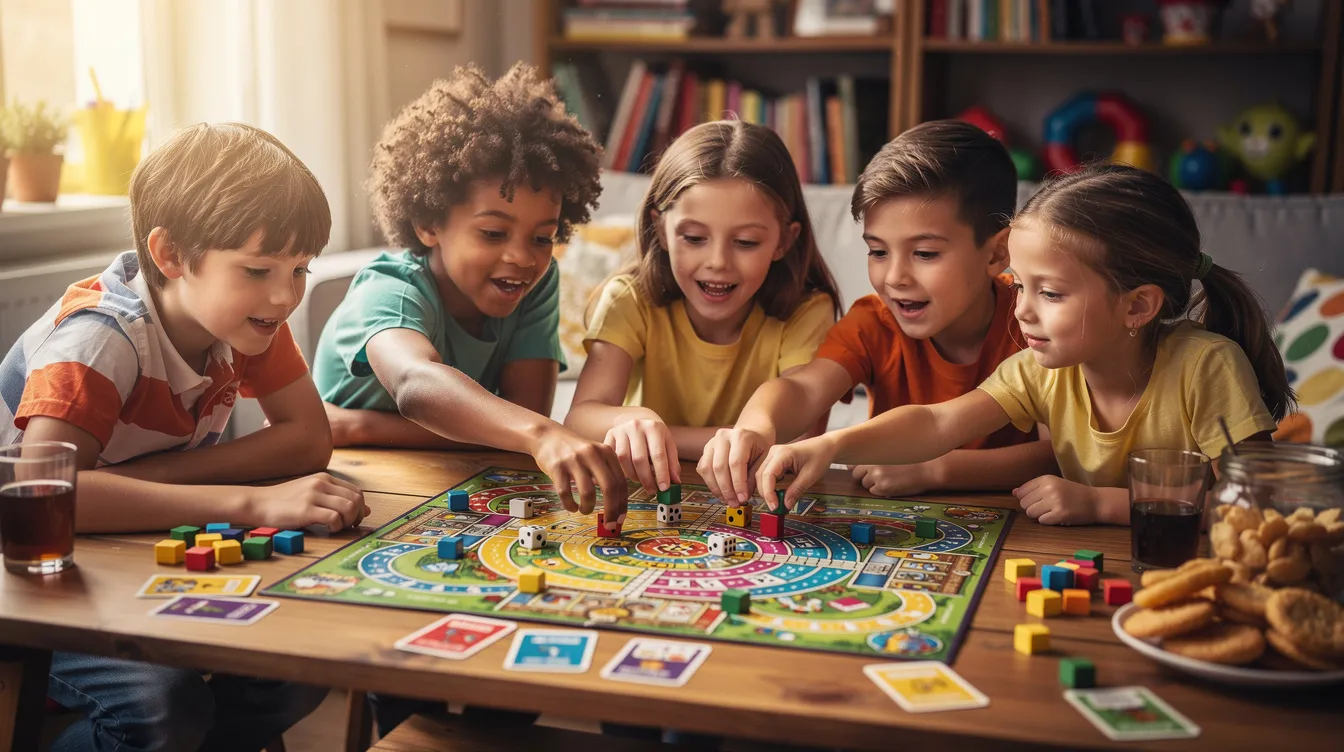
Board games are powerful tools for this age group:
- Uno, checkers, and cooperative board games demand cognitive flexibility (adapting strategies) and impulse control (waiting for turns)
- Guessing games like Charades and Guesstures build quick thinking, cognitive flexibility, and strategic planning, enhancing children’s executive function skills
- Sports drills (soccer passing sequences, basketball plays) develop working memory for positions and plays
- Art projects with 3-5 steps (sketch, outline, paint, add details) foster planning skills
- Everyday responsibilities like packing their own backpack teach organization
Memory games that require recalling sequences or lists support working memory—crucial for a child’s ability to retain information and apply it to new contexts.
Ages 13-18: Real-World Application
Young adults benefit from authentic challenges:
- Managing a weekly schedule including study time, part-time jobs, and social commitments refines time management
- Planning a family meal or small event exercises organization and foresight (create shopping lists, establish timelines)
- Part-time jobs or volunteer roles enforce self-monitoring and decision making under pressure
- Budgeting for a specific purchase teaches self control against impulse buys
- Structured activities like journaling enable teens to express their feelings safely, promoting self-awareness and emotional intelligence
For each activity, the key is connecting practice to specific skills: “When you remembered all five steps in that recipe, you were using your working memory. That’s the same skill that helps you remember instructions in class.”
Everyday Activities That Boost Executive Function
Many families can strengthen executive functions without extra materials, using what already happens in a typical week. The answer lies in being intentional about everyday interactions.
Morning and Evening Routines
Routines between 7:00 and 7:20 a.m.—wake, hygiene, breakfast, pack bag—drill sequencing, time management, and self regulation. Use “First… then…” cues consistently: “First brush your teeth, then get dressed.” Evening routines mirror this structure for winding down.
Cooking as Brain Training
Cooking engages key brain processes like planning, working memory, attention, and impulse control, making it a fun and natural way to strengthen executive functioning in kids. A simple recipe involves:
- Reading instructions (planning)
- Gathering ingredients (organization)
- Timing steps like “boil for 10 minutes” (working memory)
- Handling mistakes like burnt edges (cognitive flexibility)
This single activity builds problem solving skills, critical thinking, and the ability to manage multiple tasks simultaneously.
Household Responsibilities
Chores provide natural practice for organisational tasks:
| Chore | Skills Practiced |
|---|---|
| Sorting laundry | Flexible thinking, categorization |
| Setting the table | Multi-step sequencing, foresight |
| Taking out trash | Task initiation, follow-through |
Unstructured Play and Storytelling
Don’t underestimate creative activities. Children who tell stories can improve their self-control, working memory, and mental adaptiveness, which are all valuable executive function skills for both children and adults. Role playing and imaginary scenarios build social skills and emotional regulation through natural practice.
Engagement in physical exercise that requires focus can improve cognitive flexibility. Activities like martial arts, team sports, and aerobic exercise all require planning, attention, and adapting to changing situations—boosting executive function while supporting physical health.
Engaging in mindfulness activities can lead to improved behavior and academic performance in children, as it helps them manage sensory input and emotions more effectively.
Tools and Supports for Executive Dysfunction
Some children need additional support because of ADHD, autism, brain injury, or other causes of executive dysfunction. The goal isn’t to “cure” anything—it’s to build life skills through appropriate scaffolding.
Practical Tools
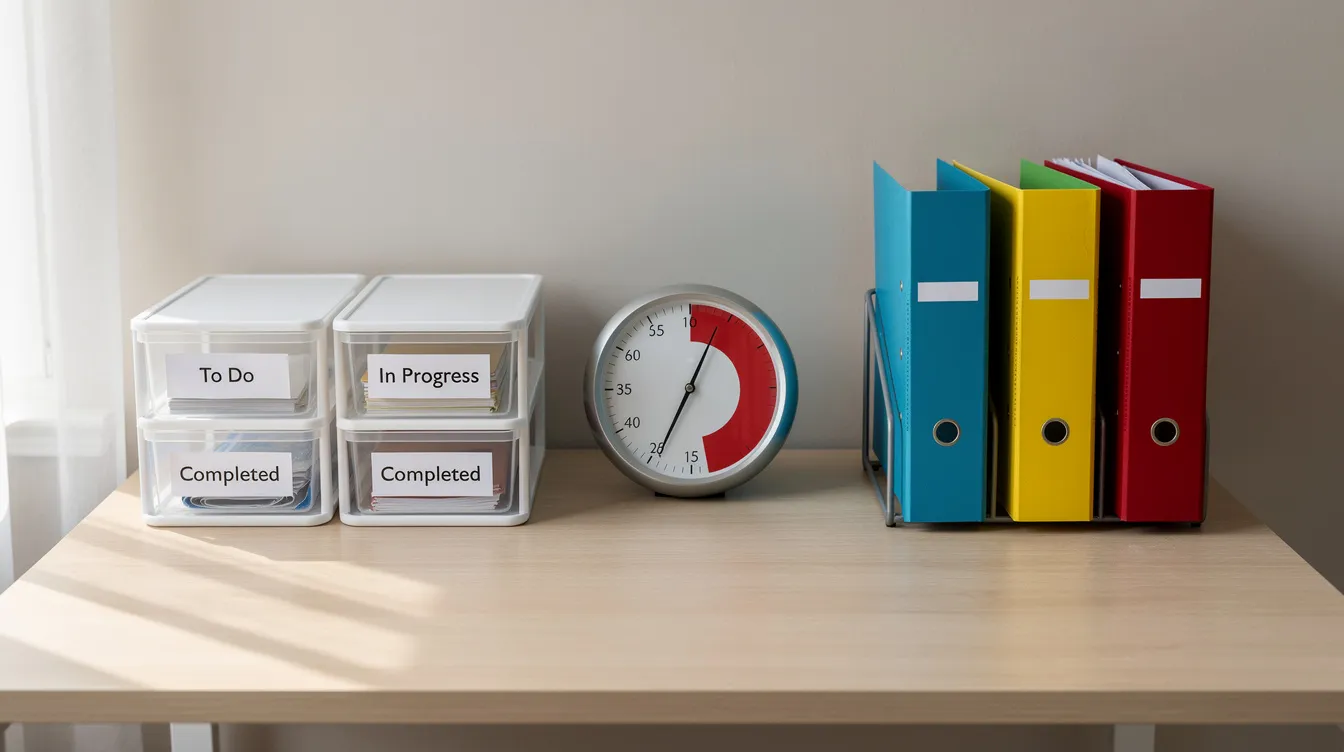
- Visual timers (like Time Timer) show time shrinking, addressing time blindness
- Color-coded folders (red for homework, blue for sports) externalize organization
- Labeled bins for school supplies create consistent storage
- Sticky-note reminders provide simple, visible cues without overwhelming
- Digital tools like Google Classroom and calendar apps help older children track assignments
Regularly writing down tasks and reminders can help clear mental space and improve focus—this works for children and adults alike.
Designated seating plans in schools can enhance learning by reducing distractions, allowing students to engage more effectively with their lessons. Many schools are implementing these environmental supports alongside visual schedules.
Simplify the Environment
A tidy physical environment reduces distractions and aids in time management by saving time spent looking for items. Keep only current materials on the desk, store supplies in clearly marked spots, and declutter workspaces regularly.
Collaborative Problem-Solving
For older kids, schedule weekly check-ins to adjust systems together:
- “Is the timer length working, or do you need more time?”
- “What reward would motivate you this week?”
- “What’s one thing that isn’t working that we could change?”
Introducing mindfulness practices, such as deep breathing and meditation, helps children recognize and cope with their emotions, significantly mitigating their stress levels. Mindfulness training has been shown to improve executive function in school-aged children by teaching them to focus on the present moment, which enhances their attention and self-regulation skills. Practicing mindfulness techniques, such as deep breathing and meditation, can help children recognize and manage their emotions, leading to better emotional regulation and focus.
When challenges persist despite home strategies, professionals such as occupational therapists, educational therapists, or psychologists can provide targeted skill-building support.
How Parents and Caregivers Can Support a Child’s Executive Functioning Skills
Adults serve as “external executive functions” for children, gradually handing responsibility over as cognitive skills develop. Your role is to support children while building their independence.
Model Strategies Aloud
Think aloud while planning everyday activities: “I need to go grocery shopping. First, I’ll check what we have in the fridge. Then I’ll make a list. I’m estimating this will take about an hour, so I’ll leave at 2:00.”
This modeling helps children internalize the invisible thinking that underlies good planning.
Use Consistent Language Cues
Phrases like “First… then… next…” help children develop internal planning structures. Over time, they’ll begin using this sequential thinking independently.
Praise Process Over Product
Instead of “Good job on your test,” try:
- “You used your checklist every morning this week—that took real effort.”
- “I noticed you started your homework without being reminded. That’s building your planning skills.”
- “When the game changed, you adapted quickly. That’s flexible thinking.”
This builds resilience and a growth mindset around executive function development.
Collaborate With Teachers
Share what works at home and request simple classroom supports like extra cues, posted schedules, or check-ins before transitions. Track progress over months rather than days—the developing child needs time to internalize new habits.
Adequate sleep and consistent sleep schedules are essential for emotional regulation and productivity. Ensure children get enough rest to support the cognitive demands of building executive function.
Remember: You’re not fixing a broken child. You’re nurturing executive functioning skills that will serve them throughout their lives.
FAQ
How long does it take to see improvement in executive function skills?
Small changes like smoother morning routines can appear within 2-4 weeks of consistent practice. Larger shifts—like independent homework management or remembering daily responsibilities without prompting—may take several months. Progress is usually gradual and uneven, with good days and bad days. This pattern is normal rather than a sign of failure. Children who follow a daily routine exhibit a 30% improvement in time management and task completion, highlighting the importance of structured goal-setting and patience.
Can adults still improve their executive functioning?
Yes. Executive functions continue developing into the late 20s and remain trainable throughout adulthood with targeted practice. Adults can use digital calendars, block dedicated work time, break big projects into weekly steps, and practice mindfulness for focus and emotional control. The same principles that help younger kids apply across the lifespan—external supports, consistent routines, and deliberate practice all boost executive function regardless of age.
Are executive function skills the same as intelligence?
No. Executive functions are separate from IQ. A child can be very bright academically but still struggle with organization skills, time management, or impulse control. Research shows only moderate correlation between executive function and intelligence. Building executive function skills can help a child better use the knowledge and abilities they already have—unlocking potential in school and everyday activities that might otherwise remain trapped behind problem solving and organizational barriers.
What is the difference between executive functioning issues and “normal” forgetfulness?
Normal forgetfulness is occasional and context-dependent—forgetting a lunch box once during a hectic week. Executive dysfunction shows up across settings (home, school, activities) and persists for six or more months. Look for patterns: missed deadlines week after week, daily meltdowns during transitions, chronic disorganization despite multiple reminders. Isolated incidents happen to everyone; persistent struggles across multiple contexts suggest a need for targeted support.
Do I need a formal diagnosis before using executive functioning strategies?
No. Families and educators can start using checklists, routines, visual schedules, and executive functioning activities immediately without waiting for an evaluation. These strategies benefit all children—not just those with diagnosed conditions. A professional assessment can provide clarity, access to school accommodations, and rule out other factors, but practical supports at home can begin right away. The related resource of professional evaluation is valuable but not a prerequisite for starting to build skills today.
Comments are closed