Key Takeaways
- A learning friendly environment at home starts with a predictable daily routine and a dedicated learning space—even a quiet corner of the living room works.
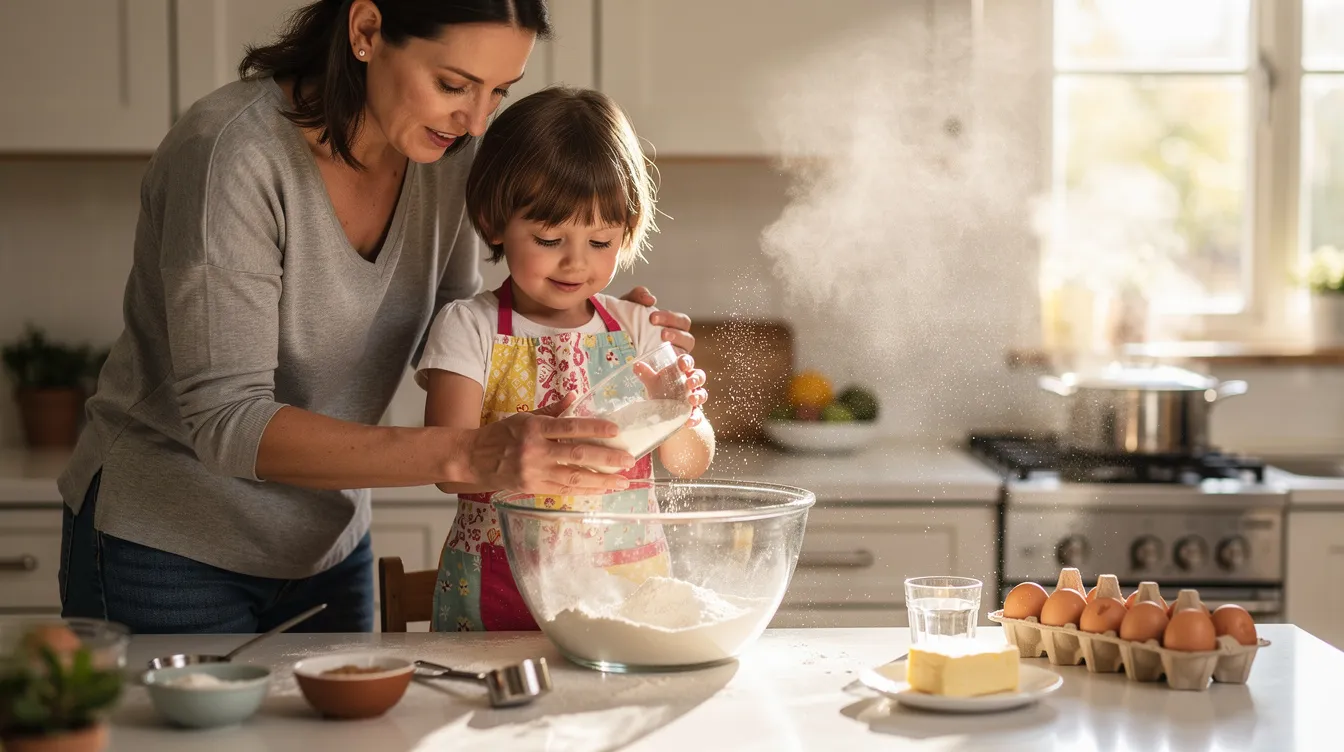
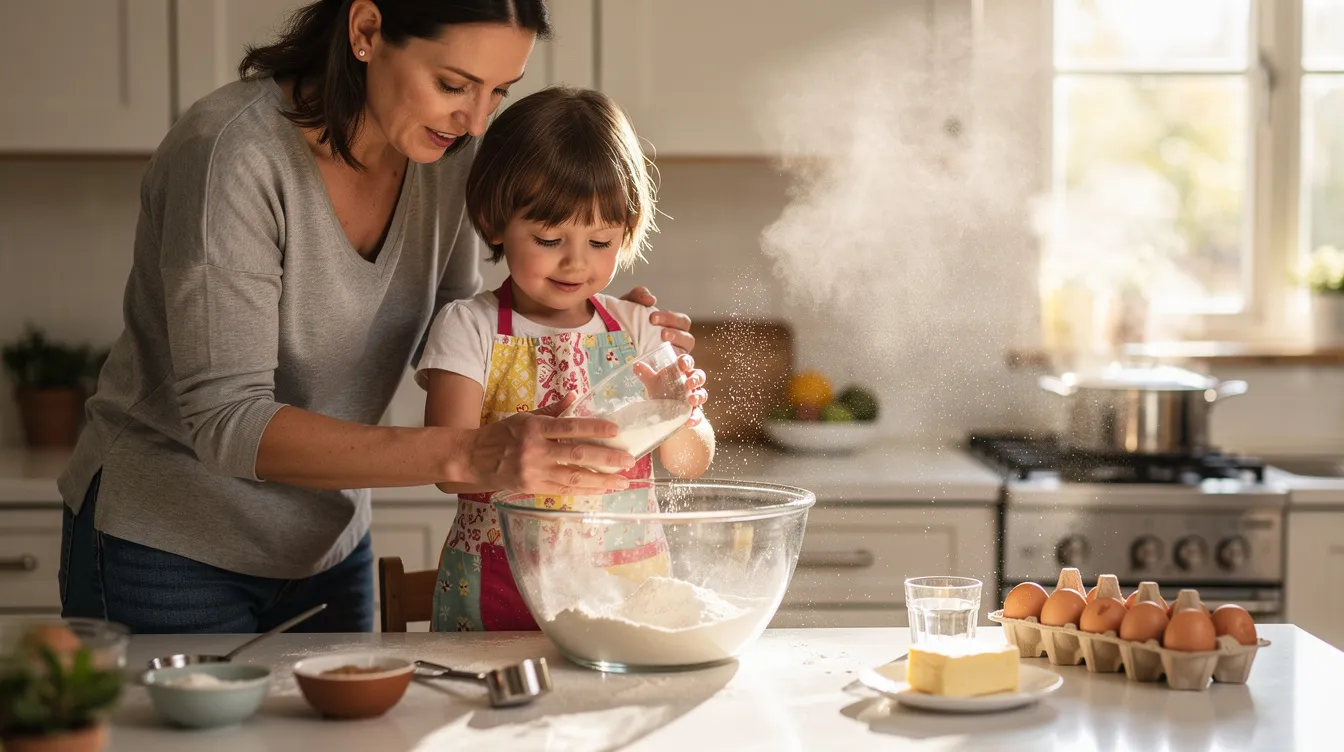
- Parents play a vital role in making learning a natural part of daily routines. Everyday tasks in 2026 family life (cooking dinner, grocery shopping, walks to the park) can become simple educational activities that support your child’s learning without extra worksheets.
- A calm, encouraging atmosphere where effort is praised and mistakes are treated as part of learning helps support your child’s learning by making children feel safe and ready to focus.
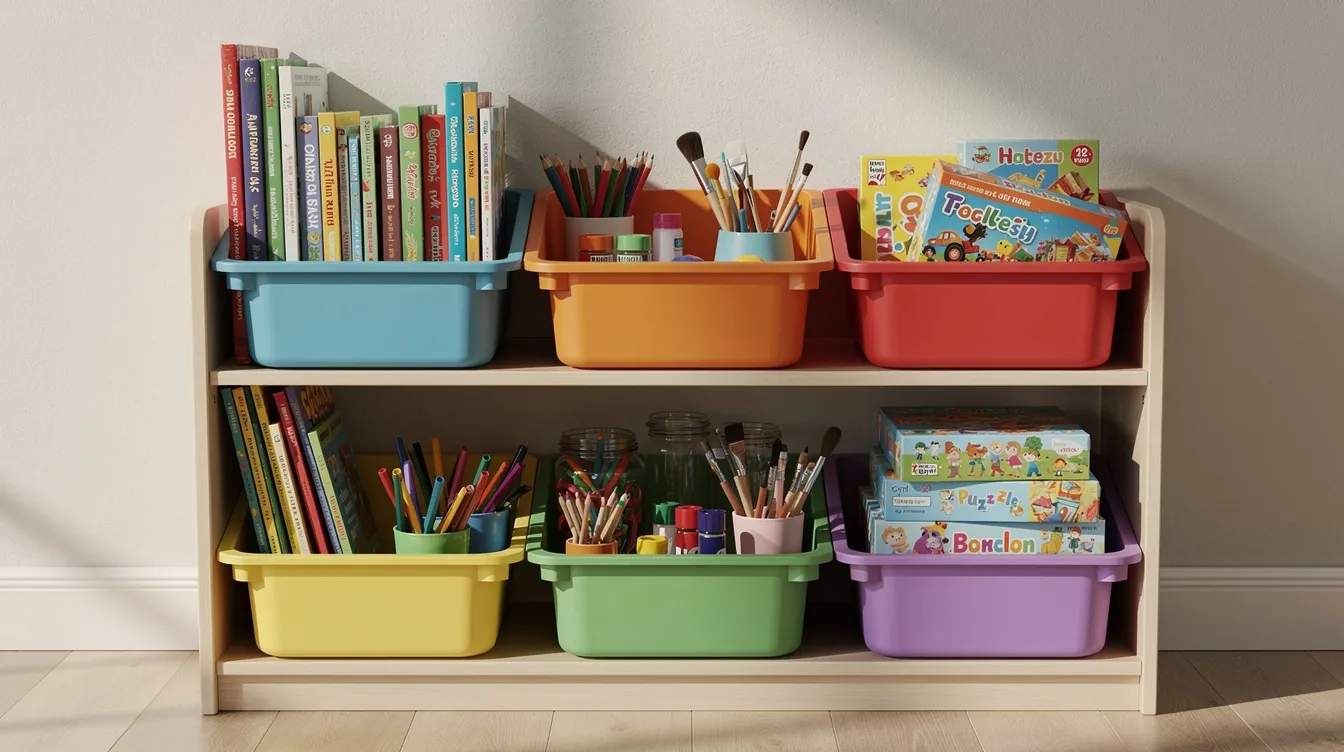
- Stock and organise learning materials (books, art supplies, board games, puzzles) so children can access them independently using labelled bins or baskets.
- Consistency and connection from parents matter more than perfection—small, realistic, and caring actions make learning a natural part of home life and add up over weeks and months.
Introduction: Why Your Home Learning Environment Matters
In 2026, children spend more time learning at home than ever before. Between homework (averaging 2-3 hours weekly for primary students), hobbies, and everyday conversations, your home has become an extension of the classroom, playing a crucial role in your child’s learning.
A learning friendly environment is simply a home setup, routine, and atmosphere that make it easier for learning to happen naturally throughout the day. Supporting your child’s learning should be a natural part of daily routines, seamlessly integrated rather than feeling like a forced or separate activity. Creating a learning-friendly home environment involves balancing structure with comfort to help children focus and foster their natural curiosity.
For preschool and primary school children, a supportive learning environment helps with attention, motivation, and confidence. Research shows children in supportive homes demonstrate up to 35% better academic outcomes compared to chaotic environments where distractions erode focus.
This article covers everything you need: designing a dedicated learning space, shaping a consistent routine, using play and board games, building communication, setting realistic expectations, and working with teachers or therapists. Let’s get practical.
Design a Dedicated Learning Space at Home
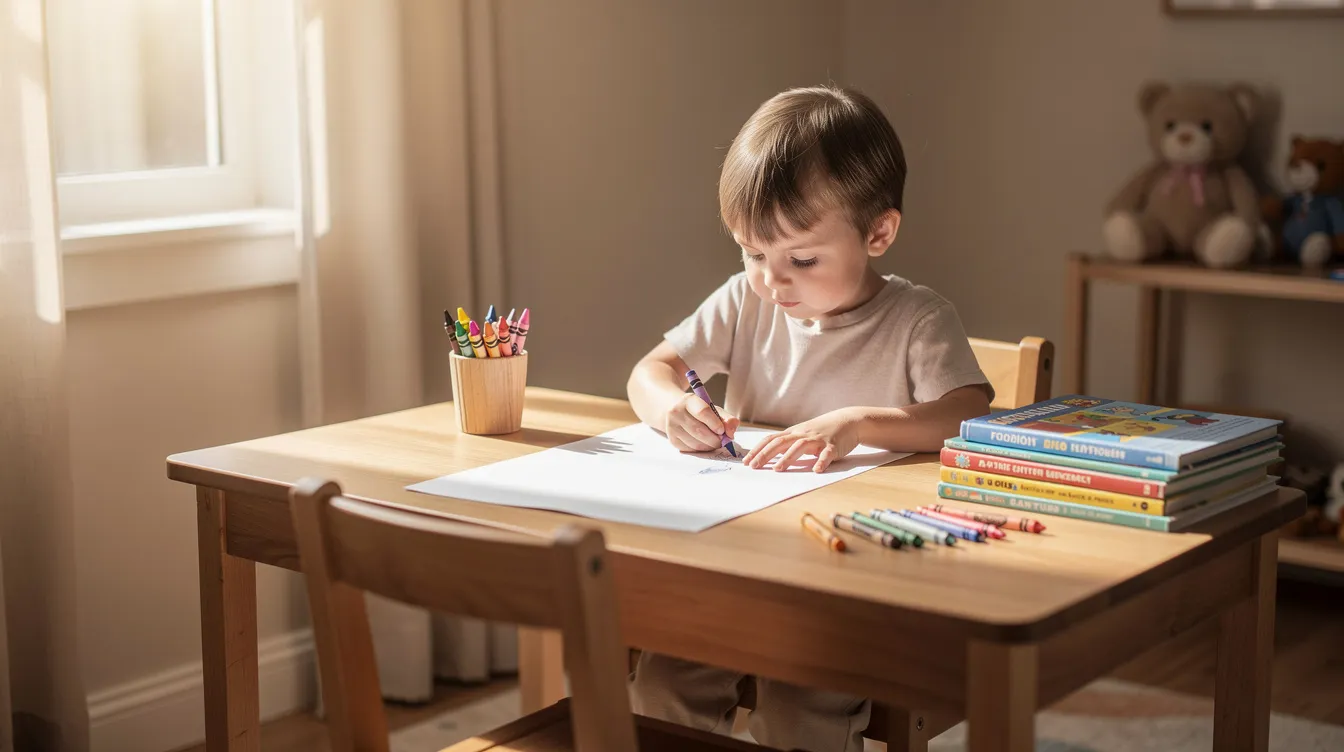
Effective strategies for a learning environment include designing a dedicated study space, maintaining consistent routines, and providing diverse learning materials. A dedicated learning space—even a small one—helps switch a child’s brain into “learning mode.” This is called context-dependent memory: the brain associates specific locations with specific tasks, improving focus by 15-25%. Establishing structured routines and a consistent study area not only enhances focus but also supports a child’s ability to adapt, learn, and acquire new skills across different areas.
Your options depend on your home:
- A child-sized desk in the bedroom
- A corner of the dining table with a specific placemat
- A small reading nook beside a bookshelf
- Creating a cozy reading nook filled with books encourages daily reading as a family activity
A dedicated, organized space for studying helps children develop productive routines and a sense of responsibility. Keep it clutter free by using labelled plastic boxes or baskets for books, stationery, art supplies, and puzzles. Clear the surface at the end of each day.
Practical, inexpensive items to consider:
| Item | Purpose | Approximate Cost |
|---|---|---|
| Child-height bookshelf | Easy access to materials | $20-40 |
| Warm LED lamp (3000K) | Eye comfort, less strain | $15-25 |
| Corkboard or whiteboard | Schedules, artwork display | $10-20 |
| Floor cushion or small chair | Comfortable seating | $15-30 |
Using visual aids like whiteboards or corkboards can help with time management and organization in learning spaces. Keep learning materials within reach—paper, pencils, crayons, age appropriate books, and simple science kits—so your child can start activities independently. This promotes independence and builds confidence.
Ergonomic furniture, including proper table and chair heights, supports good posture and comfort for children during study. Encouraging kids to personalize their study space can make it more inviting and boost their motivation—let them choose a poster of favourite animals or display their own drawings, but avoid overcrowding walls (aim for 7-10 items maximum).
Make the Environment Calm and Minimally Distracting
Creating a calm learning environment helps children feel safe and regulated, which is essential for their ability to focus on learning. Studies show 30% better task completion in low-distraction zones.
Specific tips for minimising distractions:
- Switch off the TV during homework time (multitasking drops retention by 25%)
- Silence non-essential phone notifications
- Minimizing distractions by keeping the learning area free of toys and electronic devices is crucial for focus
- Keep noisy toys in a different area during learning time
Choosing a quiet, well-lit area for learning can help minimize distractions and foster academic success. Recommend natural light where possible, warm lamps in the evening. Soft background music (classical, 60-70 BPM) aids some children but not all—test what works for yours.
Create simple visual boundaries: a small rug under the learning table, a folding screen, or even painter’s tape on the floor to mark the designated learning space in shared spaces. These psychological zones work similarly to Montessori methods.
Encourage a short pre-learning calming ritual—1-2 minutes of deep breathing, a quick stretch, or a sip of water—to signal “now we’re starting.” Research shows this reduces startup anxiety by 20%.
Shape a Predictable Daily Routine That Supports Learning
A clear routine helps children feel secure and know what to expect in their daily learning schedule. Predictable routines help reduce anxiety and allow children to focus their energy on learning—studies show up to 40% anxiety reduction from predictability.
Map out a typical weekday:
| Time | Activity |
|---|---|
| 7:00 AM | Wake-up routine |
| 9:00-3:00 | School |
| 4:00 PM | Snack and movement break |
| 5:00 PM | Learning block (homework/reading) |
| 6:00 PM | Family dinner |
| 7:30 PM | Wind-down activities |
| 8:00 PM | Bedtime |
Establishing a routine helps children feel supported and pre-empts them mentally for learning. After school, build in a snack and movement break, followed by a consistent block for homework or reading at roughly the same time each day.
For families without strict schedules, keep consistent anchors like reading before bed every night or weekend morning project time. Incorporating regular breaks and physical activity into learning schedules can help avoid burnout. Use short breaks every 15-30 minutes depending on age—visual timers work well for younger children.
Sleep matters enormously. Consistent bedtimes and wake times support attention and memory—the National Sleep Foundation notes that even a 1-hour sleep deficit can halve retention. Tired kids struggle to benefit from any home learning environment.
Simple tasks like dressing, washing hands, and preparing for the day are valuable opportunities to support a child’s growth through routines.
Use Everyday Moments as Learning Opportunities
Much of a child’s learning happens outside formal homework—in the kitchen, car, supermarket, and playground. Using everyday items for educational activities, such as counting objects or cooking for measurement, can facilitate learning.
Concrete 2026 examples:
- Count coins when paying at the self-checkout (number sense)
- Read bus stop signs together (literacy)
- Measure ingredients while cooking dinner (fractions)
- Sort laundry by colour (patterns and categorisation)
- Plan a grocery shopping list together (budgeting and reading)
For example, storytelling can enhance language skills, while sorting toys can introduce basic math concepts, showing how play can be a learning tool.
Build simple language skills habits: narrate daily activities, ask open-ended questions on walks (“What do you notice about the clouds today?”), and talk through problem solving steps aloud. These conversations build vocabulary 25% faster than limited interaction, according to language development research.
Let your child help with real tasks—sorting laundry, checking a recipe, planning the week’s meals. These low-pressure learning activities reduce the need for extra worksheets while building maths, literacy, and real life skills naturally.
Use Play, Board Games, and Hands-On Activities to Boost Learning
Play is one of the most powerful ways children learn, helping them develop problem-solving skills, creativity, emotional regulation, and social understanding. The American Psychological Association reports that play drives 80% of early neural connections. This isn’t a distraction from “real work”—it is the work for younger children.
Imaginative play, building, and role-play support creativity, problem solving, and social skills in any home environment. Through play, children can engage in activities that do not need to be educational on the surface, yet still support their development when they are engaged and motivated.
Recommended board games and what they support:
| Game | Skills Developed |
|---|---|
| Snakes and Ladders | Counting, number recognition (+20% fluency) |
| Uno | Colour and number recognition |
| Scrabble Junior | Spelling, vocabulary |
| Memory/Matching games | Concentration, visual memory |
Play-based learning methods, such as using building blocks and puzzles, can enhance problem-solving skills. Integrating educational games and activities that blend learning objectives with fun experiences can enhance a child’s overall developmental journey.
Simple, low-cost hands-on activities:
- Build with blocks, Lego, or recycled boxes (spatial reasoning)
- DIY science experiments with water and ice (states of matter)
- Plant seeds in a small pot on the windowsill (biology and lifecycle)
- Storytelling can enhance language skills, while sorting toys can introduce basic math concepts
Incorporating multi-sensory learning techniques, which engage multiple senses, can enhance learning experiences and create a more effective calm learning environment. Rotate educational toys and games every few weeks to keep the learning space fresh without constantly buying new materials.
Play-based learning can be especially helpful after school as a gentle transition from structured classroom learning to relaxed home learning—giving children’s love for fun a productive outlet.
Involve Your Child in Shaping Their Learning Space and Activities
Children are more motivated when they help design their own learning area. Research shows child input boosts motivation by up to 50% through increased sense of autonomy and ownership.
Ask your child to:
- Choose a favourite reading chair
- Pick a theme for a small poster
- Decide which shelf should hold books versus puzzles
- Select from 2-3 options for learning activities (“Read for 15 minutes or work on the puzzle?”)
Involving the child in tidying and organising learning materials teaches responsibility and care for the environment at home. This develops independence and reduces resistance to learning time.
Create an Encouraging Atmosphere Around Learning
A positive, encouraging atmosphere can make any modest space more effective for a child’s learning. A positive atmosphere that celebrates a child’s efforts and achievements, no matter how small, reinforces a positive attitude towards learning.
How to build encouragement into daily life:
- Focus praise on effort, persistence, and strategies: “You kept trying different ways to solve that!”
- Respond to mistakes calmly, framing them as part of learning: “That didn’t work—what could we try next?”
- Check in regularly about how your child feels about their learning journey
- Displaying children’s artwork and school projects can help boost their confidence and celebrate their progress
Simple family rituals that celebrate learning make a significant role in child’s growth:
- A weekly “show and tell” at dinner
- A “learning wall” where new words and achievements are displayed
- Celebrating completing a chapter book or mastering a new skill
Avoid comparing siblings or classmates. Instead, notice each child’s individual progress and interests—this builds intrinsic motivation and protects self-esteem.
Keep Expectations Realistic and Flexible
Every child develops differently, and 2026 academic pressures (with standardised testing up 10%) can feel intense for families. Resist the urge to overschedule.
Set small, realistic goals:
- 10 minutes of reading together each night
- One maths game on weekends
- A weekly science experiment
Adapt the learning environment when a child is tired, unwell, or overwhelmed—shorten sessions, change location, or switch to lighter activities like storytelling. Consistency over weeks and months matters more than perfection on any single day. Longitudinal studies show small consistent efforts yield 25% better long-term gains than sporadic intensive sessions.
Stock Simple Learning Materials and Tools at Home
A well-stocked but not overcrowded home learning environment encourages curiosity and independent learning. Using shelving units or portable carts can keep school materials organized and within easy reach—research shows organised access doubles usage.
Key categories of learning materials:
| Category | Examples |
|---|---|
| Books | Picture books, chapter books, non-fiction |
| Art supplies | Crayons, markers, child-safe scissors, glue |
| Games | Age appropriate board games, card games |
| Building | Blocks, Lego, recycled materials |
| Science | Magnifying glass, simple experiment kits |
Use clear, labelled containers or baskets (with pictures for non-readers) so children know where things belong and can pack away independently. This promotes independence and builds organisational skills.
Digital tools in 2026: Recommend a limited set of high-quality educational apps with parental guidance and time limits (aim for under 20-30 minutes of recreational screen time). Digital citizenship education is essential for teaching safe and responsible internet habits to children. Co-view or co-play sometimes to turn screen time into an interactive experience.
Refresh educational resources seasonally—nature books in spring, space books during a visible meteor shower—to connect learning with real life events. Borrow from local libraries to expand the range without increasing clutter.
Support Communication and Connection Through Daily Interactions
Strong language skills and emotional security link directly to better learning outcomes at home and school. Build conversation into daily routines: talk during meals, car rides, and bedtime. Give children time to answer without rushing.
Strategies to boost learning through communication:
- Read aloud together daily (even 10 minutes makes a difference)
- Ask your child to retell stories in their own words
- Discuss characters’ feelings to build vocabulary and empathy
- Listen actively—reflect back what your child says, ask follow-up questions
Validating feelings about school and homework time builds trust and makes children more likely to engage with learning activities willingly.
Work With Your Child’s School and Therapy Team
Collaboration between caregivers at home and therapy or intervention centers is essential for reinforcing effective strategies for a child’s learning and development. When home and school align, children generalise skills more effectively—research shows up to 40% better skill transfer.
Ways to support this collaboration:
- Ask teachers for practical suggestions on how to set up the learning area or what materials would best support current topics
- Share simple updates through communication books, quick emails, or brief conversations at pick-up
- Maintaining open communication with your child’s therapists and educators can help align home activities with your child’s developmental goals, ensuring continuity in their learning environment
For children seeing therapists (speech, occupational, educational), ask for 1-2 specific home strategies that fit naturally into daily routines. Regularly sharing observations and progress updates with educators and therapists can enhance the effectiveness of the strategies implemented for your child’s learning.
You don’t need to recreate a full classroom. Instead, adapt a few school strategies to fit your own environment at home. Consistent expectations between settings help children feel more secure and support your child’s success throughout the school year.
Creating a learning friendly environment at home doesn’t require expensive resources or a spare room. It requires intention, consistency, and connection. Start with one small strategy this week—a dedicated corner, a consistent homework time, or a simple pre-learning ritual. These small strategies compound over time, building your child’s ability to focus, explore, and develop a lifelong love of learning.
Your home is already a learning environment. Now you know how to make it work better for everyone in the family.
FAQ
How much time should my child spend learning at home each day?
For preschoolers, aim for 10-20 minutes of focused learning plus plenty of informal learning through play and daily activities. Early primary school children typically benefit from 30-60 minutes total. Quality, focus, and enjoyment matter more than exact minutes—break sessions into short blocks with movement breaks rather than one long stretch, especially for younger children.
What if I don’t have space for a separate room as a learning space?
A learning friendly environment doesn’t require a full room. Portable study areas can utilize multi-purpose spaces, such as a corner of the kitchen table, for effective learning. Use a portable caddy or box to store learning materials that can be taken out during learning time and packed away afterwards. Visual cues like a specific table mat, small lamp, or designated chair signal “this is learning time now” even in shared spaces.
How can I help if my child dislikes homework or avoids learning activities?
Start with your child’s interests—football scores, animal facts, favourite stories—to design short, enjoyable learning activities. Use educational games, challenges, or board games to make practice more playful. If homework consistently causes distress, talk with the teacher so expectations can be adjusted or broken into smaller, more manageable steps. Children’s love for learning often returns when pressure decreases.
Are digital devices helpful or harmful in a home learning environment?
Digital tools can support learning when used intentionally and in moderation with high-quality educational apps. Set clear rules about when and where screens can be used—keep devices out of the main dedicated learning space during non-digital tasks. Co-view or co-play sometimes, talking about what your child is doing on-screen to turn it into an interactive learning activity that develops critical thinking.
How do I support siblings of different ages in the same space?
Create simple “zones” at the same table—older child time with textbooks, younger child with colouring or blocks. Try staggered start times or rotate one-on-one attention during challenging tasks. Use quiet activities (puzzles, independent reading) for one child while you support the other, then switch after a set time. This teaches patience while ensuring each child gets the support they need.
Comments are closed