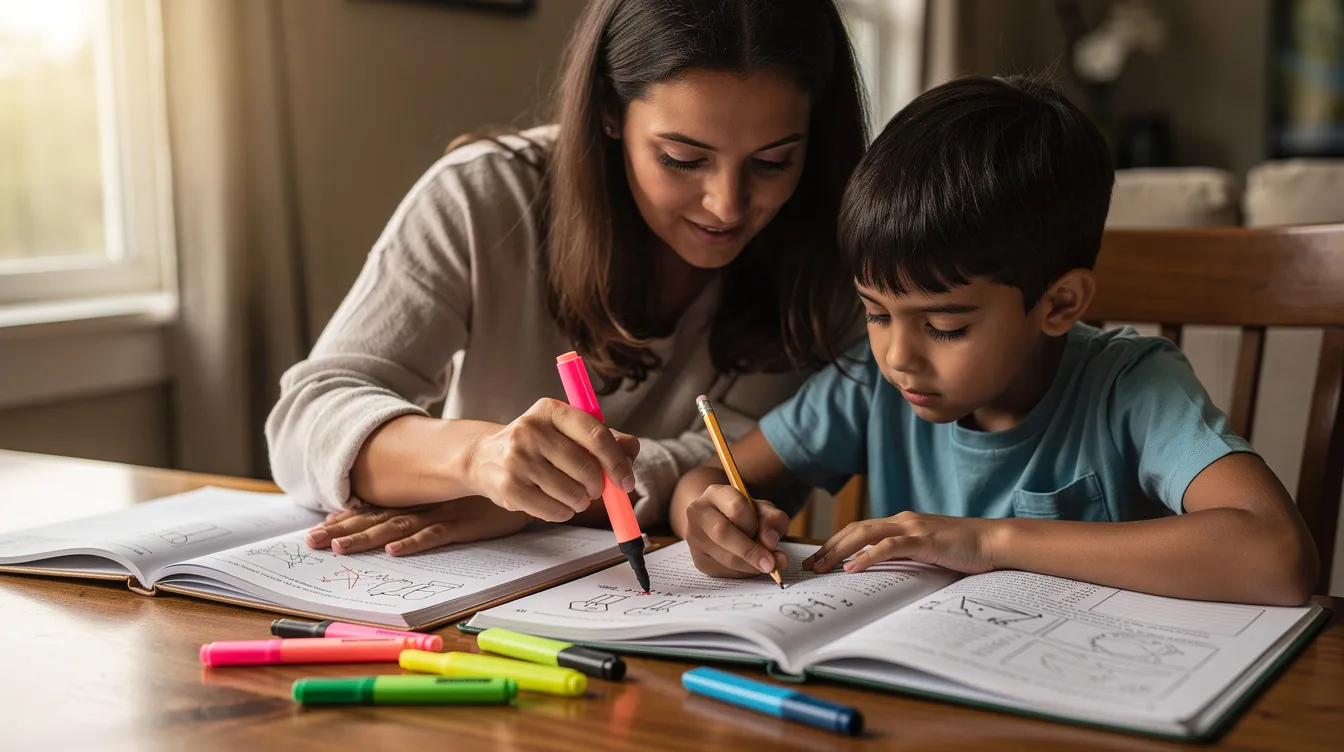
Key Takeaways
Teaching children to check their own work is an executive function skill tied directly to self monitoring and long-term independence. Here’s what you need to know:
- Replace vague reminders like “look it over” with clear routines such as the three levels of checking, visual checklists, and structured self checks
- Interactive modeling—showing kids exactly how to pause and evaluate their work—is far more effective than simply telling them to check
- Parents and teachers can introduce simple completion checks as early as ages 6–7 and gradually add more sophisticated strategies through middle school
- Core strategies for independent self-checking include interactive modeling, layered checking, visual checklists, reading aloud, and strategic pausing
- Building metacognition involves the ability to think about one’s own thinking and providing tools to make checking more tangible
Why Checking Their Own Work Matters
Kids rush through assignments for many reasons. Some want to be first finished, associating speed with intelligence. Others feel anxious about the work itself, or they’re simply bored and eager to move on. Teaching students to self monitor their work addresses these roots by shifting their mindset—encouraging kids to review homework helps shift their focus from finishing fast to finishing accurately.
The academic impacts are concrete. Research shows self-monitoring interventions reduce careless mistakes in math tests by 35% and improve writing quality scores by 28%. Students proficient in these skills score 15-20 points higher on standardized assessments by grades 3-8, with fewer skipped items. Self-monitoring is a proactive strategy that helps students develop self-management skills by teaching them to observe and record their behavior to determine whether it aligns with expectations.
Self checking connects to broader own behavior awareness—noticing “I’m rushing” or “I’m zoning out” and correcting before turning work in. Teaching students to self-monitor their behavior can significantly improve their focus and academic performance, fostering skills such as confidence, independence, and responsibility.
Consider this example: a 9-year-old boy previously left 30% of his homework blanks due to rushing. After adopting a simple 3-minute completion check routine, he reduced blanks to zero and boosted homework completion from 70% to 98% over one semester. Long-term, kids learn these habits transfer to independent study in high school and greater self control in everyday tasks.
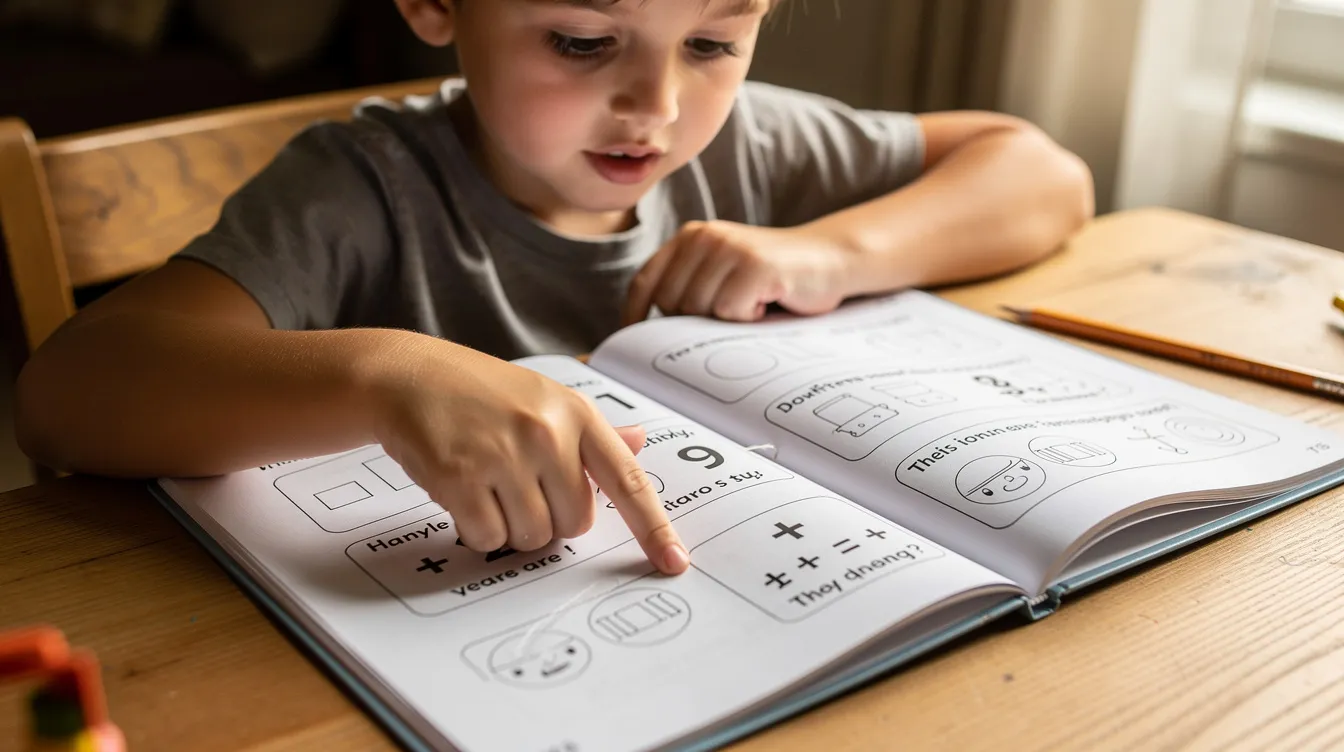
Introduce the Three Levels of Checking
The “Three Levels of Checking” framework gives kids a simple system they can learn in one lesson and practice all year. Unlike generic checklists, this approach teaches metacognitive decision-making—students choose their checking level based on time and task difficulty.
Here’s how the levels break down in kid-friendly language:
| Level | Question to Ask | Best For |
|---|---|---|
| Level One | “Did I answer everything?” | Quick quizzes, low-stakes work |
| Level Two | “Does my answer make sense?” | Homework, reading responses |
| Level Three | “Can I solve it again and still match?” | Tests, essays, multi-step problems |
Teachers and parents can print these three levels on colored cards and tape them to desks, folders, or homework stations as a visual reminder. Teaching children to choose a level intentionally before starting work builds metacognition—they ask themselves, “How carefully does this need to be checked?”
Level One: Basic Completion Check
Level One is a fast “completion sweep” ideal for young students (grades 1–3) or timed quizzes when only a minute remains. Implementing level one checks ensures that children quickly verify that no questions were skipped, especially in timed situations.
Step-by-step process:
- Child finishes a 20-question worksheet
- Uses a finger or pencil to touch each number
- Confirms something is written for every question
- Moves to submission
This level focuses only on “Is something written for every question?” rather than accuracy. Even this quick self check reduces zeros and missing answers significantly. A simple visual tool—like a small “Check for blanks!” box at the bottom of worksheets or on a laminated homework bookmark—increases adherence by 30%.
Level One is the starting point for kids who resist checking at all. Success here can be praised and then built up to deeper levels.
Level Two: Sense-Making and Self Monitoring
Level Two means rereading each question and answer to see if it “sounds right,” building both academic accuracy and self monitoring of thinking. Students understand when something doesn’t fit.
Specific examples:
- In math, quickly estimating whether 7 × 8 could possibly equal 12
- In reading, checking if a written answer actually responds to the question asked
- In writing, asking “Would this make sense to someone else reading my work?”
Sentence stems help students learn this process: “Does this answer the question?” and “Does my response make sense?” Level Two works well for upper elementary and middle school students during nightly homework, where there’s more time to double check.
Teachers can use praise scripts like: “I see you reread the question before deciding your answer was correct. That’s Level Two checking!” This reinforcement helps students stay focused on the process.
Level Three: Full Rework and Double Check
Level Three is the most thorough approach, where students fully rework problems or reread and revise written responses before comparing to the original. Layered checking suggests doing passes for different aspects of work such as punctuation, spelling, and content accuracy.
Concrete scenarios:
- Re-solving multi-digit addition from scratch
- Reading a paragraph aloud to catch missing words or punctuation
- Reworking a word problem completely, then comparing both answers
This level suits tests involving fractions, long division, or multi-step word problems, and drafts of essays in grades 4-8. Level Three builds stamina and persistence—adults should normalize it as a “serious work” skill, not just for perfectionists.
A realistic compromise when time is limited: have students highlight 2–3 questions per assignment that “deserve Level Three checking.”
Using Interactive Modeling to Teach Self Checking
Simply telling kids to “check your work” doesn’t work. Research shows explicit instruction through interactive modeling outperforms verbal instructions by 4:1. The development of self-awareness and regulation skills can be supported through strategies like interactive modeling, where educators demonstrate self-checking behaviors for students to observe and practice.
Modeling self-checking behavior in the classroom can help students understand how to assess their own actions and redirect themselves when necessary. In a short classroom demonstration, a teacher completes a problem set on the board, then talks out loud through Levels One, Two, and Three checking.
Key language includes:
- “Watch closely what I do”
- Teaching children to self-check their behaviors involves encouraging them to ask themselves reflective questions, such as “Am I doing what I’m supposed to be doing right now?”
- “What did you notice about my checking?”
Interactive modeling works equally well at home. A parent can model checking a grocery list or email to show real-world self checks. Repetition matters—plan to repeat demonstrations at the beginning of new units or before big tests.

Modeling How to Self-Check Work
Walk through an explicit script where the adult says each step out loud: “First I look for blank answers. Next I reread the question. Now I solve it again to double check.”
Example with a 5th grade math word problem:
“24 cookies shared by 4 kids… I got 6. Wait—Level Two: let me reread. ‘How many cookies in all?’ Oh, it’s asking about total, not division. I need to check the operation.”
Circle or underline parts of the question (“How many in all?”) to connect reading carefully with accurate checking. Have students share what they noticed: “You didn’t erase right away; you checked first.”
Visuals—posters with the three levels or self check questions—should match the language used in the modeling for consistency.
Students Practice and Teach Back
A brief practice routine works well:
- Students complete 3–5 problems
- Pair up and talk through which level of checking they used and why
- Volunteers come to the board and model their own self check
- Classmates identify if it was Level One, Two, or Three
Quick exit tickets reinforce the habit: “Write one sentence about how you checked your work today.” The goal is accuracy and ownership, not perfection—praise honest self-correction and willingness to double check.
Consider a once-a-week “Checking Challenge” where the class focuses on one subject (math on Monday, writing on Wednesday) for more intentional practice.
Checklists and Routines that Help Students Self Monitor
Visual tools such as checklists and mnemonics can help children remember the steps for checking their work. This is especially valuable for students with ADHD, autism, or weak executive functioning. Creating a checklist for students to follow after completing their work can help them systematically check over their answers and ensure accuracy.
Practical strategies to encourage reviewing include establishing a review buffer, creating personalized checklists, and teaching specific checking techniques. Using a checklist routine and taking short breaks can improve children’s effectiveness in reviewing homework.
Use the same checklist at home and at school when possible, so kids experience consistent language. Setting clear expectations and using visual reminders can help create an effective routine for checking work.
Subject-Specific Self Checklists
Math checklist:
- No blanks
- Copied numbers correctly
- Operation signs correct (+, -, ×, ÷)
- Answer makes sense (estimate matches)
Writing checklist using the CUPS mnemonic: The CUPS mnemonic stands for Capitalization, Usage (grammar), Punctuation, and Spelling, and helps students remember checking steps in writing.
Reading response checklist:
- I used evidence from the text
- I explained my thinking
- I stayed on topic
- I wrote complete sentences
Keep checklists short (4–6 bullets), visually clear, and laminated or taped inside notebooks. Creating customized checklists for common mistakes helps children focus on frequent errors they make. Encouraging students to identify their most common mistakes can help them focus their checking efforts and improve their overall accuracy in work.
Building Daily Self Check Routines
Teachers can embed a 2–3 minute “self check time” at the end of independent work blocks every day—not just before big tests. Using a timer for a review buffer ensures that leftover time is used for checking work rather than immediately transitioning to other activities.
Concrete routines:
- Raise a hand to signal “I’ve done my self check”
- Turn work in only after touching each checklist item
- Place a small checkmark in a designated box when finished
Parents can mirror this at home: “Homework is not done until you’ve done your self check and initialed your checklist.” Tie routines to physical cues like flipping a card from “Working” to “Checking.”
Consistency is key—using the same language (“self check,” “double check,” “Level Two”) each day helps kids internalize expectations and eventually follow directions without prompting.
Supporting Different Ages and Needs
Kids learn self checking at different paces. Self-awareness and regulation are essential skills that help children recognize their emotions and behaviors, allowing them to adjust their actions accordingly in certain situations. Routines should feel supportive, not punitive.
Younger children (ages 6–8) may start with very simple checks (no blanks, name on paper), while preteens can handle multi-step self monitoring and mistake analysis. For low self monitors—those who don’t notice their own behavior or errors—extra structure and provide feedback helps.
Collaborate with specialists (occupational therapists, school psychologists) when self monitoring challenges link to broader executive function issues. Celebrate progress: fewer careless errors, improved on-task behavior, positive behaviors during work time.
Helping “Quick Finishers” Slow Down
Some bright, fast-working students finish first but resist checking because they equate speed with being smart. This is a real struggle for many educators and parents.
Start by asking what they like about finishing quickly and how they feel about checking work—build understanding and buy-in. Create a personal “double check agreement”: always using Level Two on tests or reworking at least the last question and two more problems.
Introduce “mistake analysis”: once a week, have them circle errors on returned work and identify which ones a self check would have caught. Praise children for identifying their own mistakes rather than just for achieving high scores to build a positive mindset towards checking work. This gradually shifts their identity from “fast finisher” to “careful thinker.”
Scaffolds for Students Who Struggle with Self Monitoring
Some children, particularly those with ADHD or autism, need external prompts (timers, visual cues, adult check-ins) to start and complete self checks. Effective self-monitoring tools include sensory-based strategies such as heavy work activities and calming proprioceptive input, which help increase body awareness and support regulation.
Helpful scaffolds:
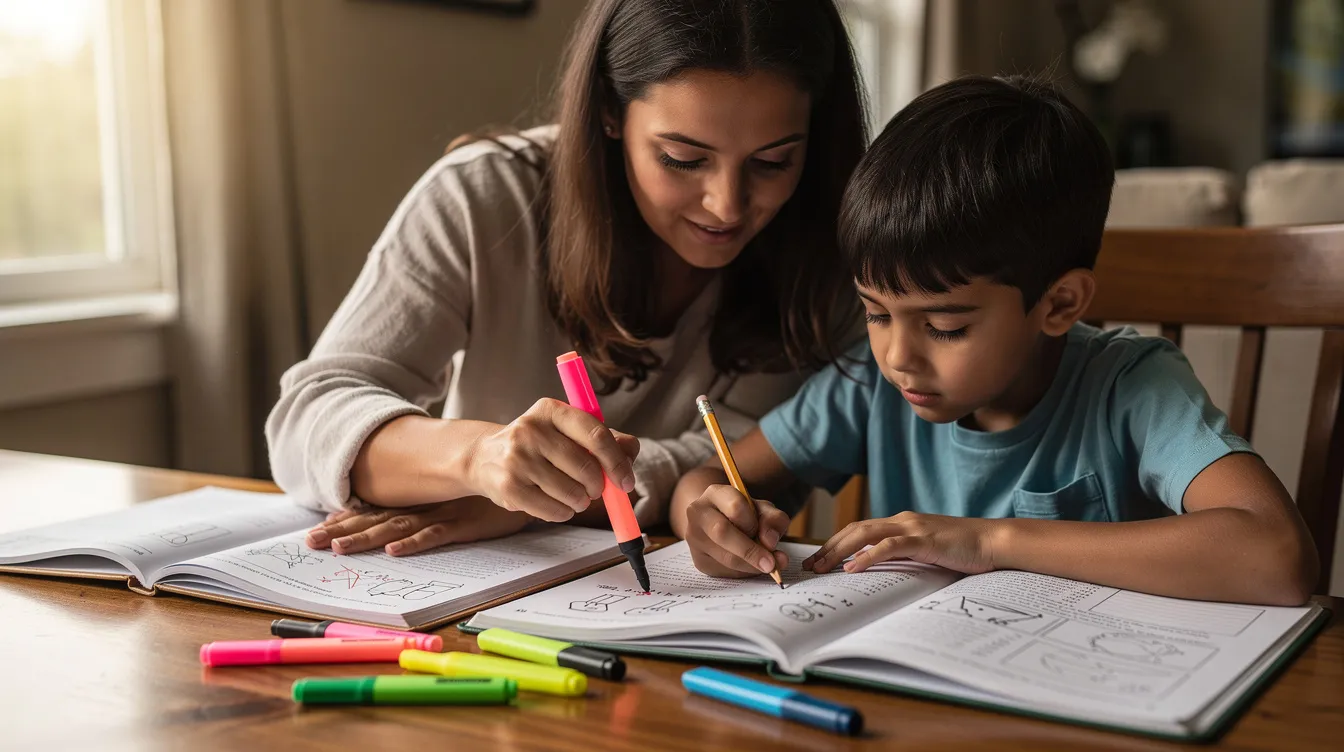
- Color-coded highlighters for copying numbers or rereading directions
- Short, predictable scripts: “Pause, self check, then move on”
- Quiet, non-disruptive cues (sticky note on desk, subtle hand signal)
- Pairing checking routines with calming strategies (deep breaths, quick stretch)
The point is helping self monitoring feel manageable, not stressful. Track small wins over time—these students often show dramatic improvement with the right tools and consistent reminders.
Turning Self Checking into a Lifelong Skill
The habit of checking schoolwork transfers directly to adult everyday tasks: proofreading emails, reviewing forms, budgeting, and safety checks. Normalizing mistakes as learning opportunities encourages children to find and fix their own errors throughout life.
The goal is for kids to internalize self checks so they choose to use them even when no adult is watching. Families and teachers can model real-life self monitoring out loud: “I’m going to double check this message before I send it.”
Older students can set personal goals—“reduce silly mistakes on my next test by half”—and track progress over a month. Teaching children to check their own work is an investment in their future. It may slow things down now, but it prepares them for independence in high school, college, and beyond.
For more posts on building executive function skills, explore strategies that help students develop greater self control and appropriate actions across certain kinds of tasks at school and home.
Frequently Asked Questions
At what age can I start teaching my child to check their own work?
Simple Level One checks (name on paper, no blanks) can start around ages 6–7, usually in first or second grade. More advanced self monitoring, like rereading answers or reworking math problems (Levels Two and Three), typically develops between ages 8–12. Readiness varies—look for signs like being able to follow 2–3 step directions and stay focused for at least 10 minutes. Start small and build up rather than waiting for a “perfect” age.
How long should self checking take on homework or tests?
Plan for self checking to take about 10–20% of total work time—for example, 5–10 minutes on a 45-minute test. Quick Level One checks may take only 1–2 minutes, while thorough Level Three reworking takes longer and should be reserved for key problems. Teachers can help by building checking time into test periods so students don’t feel punished for using it.
What if my child gets frustrated or anxious when asked to double check their work?
Some kids hear “check your work” as “you probably did it wrong,” which can feel discouraging. Separate accuracy from worth: praise the act of checking (“You used your checklist carefully”) rather than only the result. Start with small, predictable goals (checking just 3 problems) and gradually increase as confidence grows. Model mistakes and calm self-correction, showing that errors are normal and self checks are tools, not punishment.
How can I tell if self monitoring is improving, not just test scores?
Watch for process changes: your child pauses before turning work in, refers to a checklist, or notices their own mistakes without prompting. Behavioral signs include less rushing, fewer “I’m done!” blurts after one minute, and more willingness to revise. Track simple metrics over several weeks—number of blank items or repeated careless errors. Growth often shows up first in attitude and habits, then later in grades.
Should teachers grade students on whether they checked their work?
In early stages, treat self checking as a learning goal supported by feedback, not a graded requirement. Consider optional participation points or reflection questions (“How did you check your work today?”) rather than deducting points. Use periodic self-assessment forms where students rate how consistently they used Levels One, Two, or Three. The ultimate aim is internal motivation—students choosing to self check because they see its value, not only for a grade.
Comments are closed