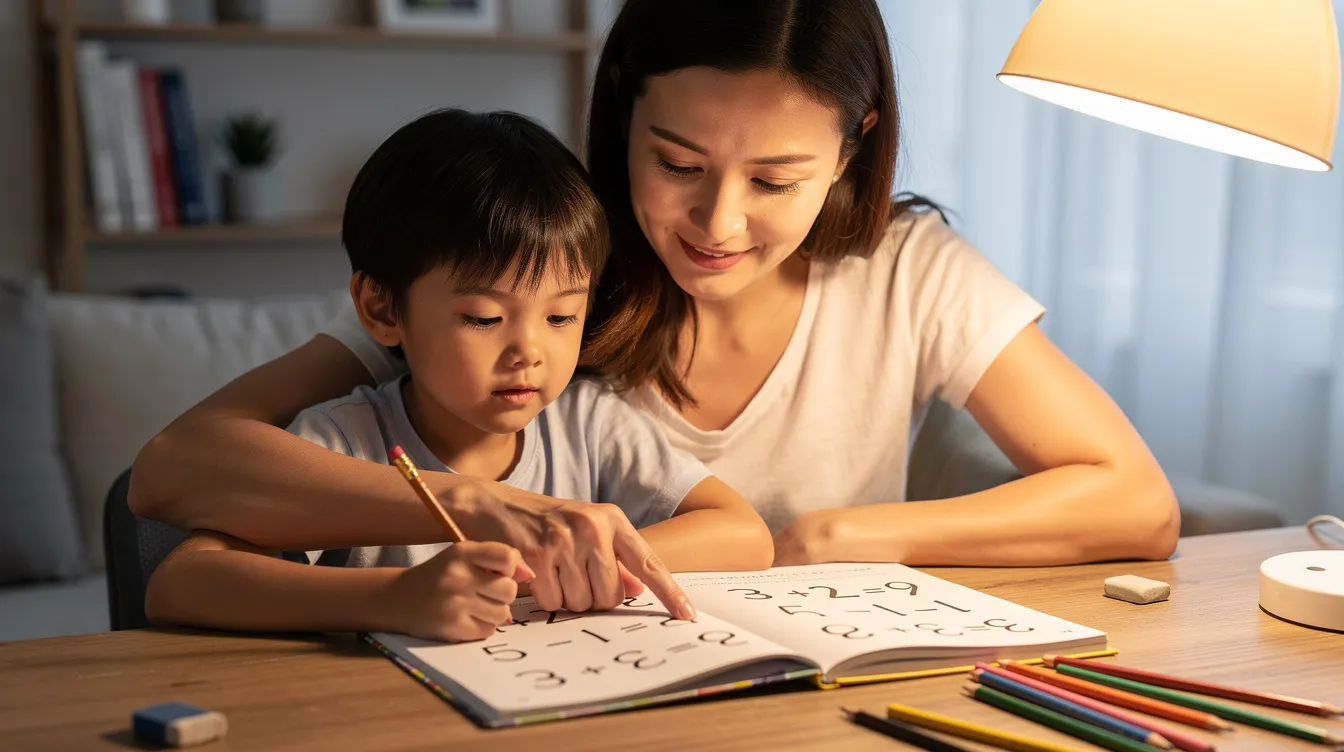
Key Takeaways
- Learning confidence is academic self-efficacy – the belief that “I know what to do when I’m stuck” – not blind positivity. Confidence is the number one predictor of academic achievement, and self-confidence accounts for 42% of student engagement variance.
- Past test failures, streaming labels, and constant classroom comparison can create learned helplessness, but parents can reverse this by building small, structured wins before school starts.
- A clear 4-step framework helps students build confidence at home: separate self worth from marks, assess root cognitive barriers, design micro-success loops, and use growth mindset language that praises strategy and recovery.
- Practical tools – a “Wins Journal,” positive affirmations for anxious mornings, role-play scripts for asking a teacher for help, and age appropriate choices – support both academic performance and mental health.
- When home strategies are not enough, specialised learning intervention programmes and child psychological therapy for low self-esteem can help children develop lasting confidence and a positive attitude toward learning.
Introduction: A New Academic Year, Old Fears
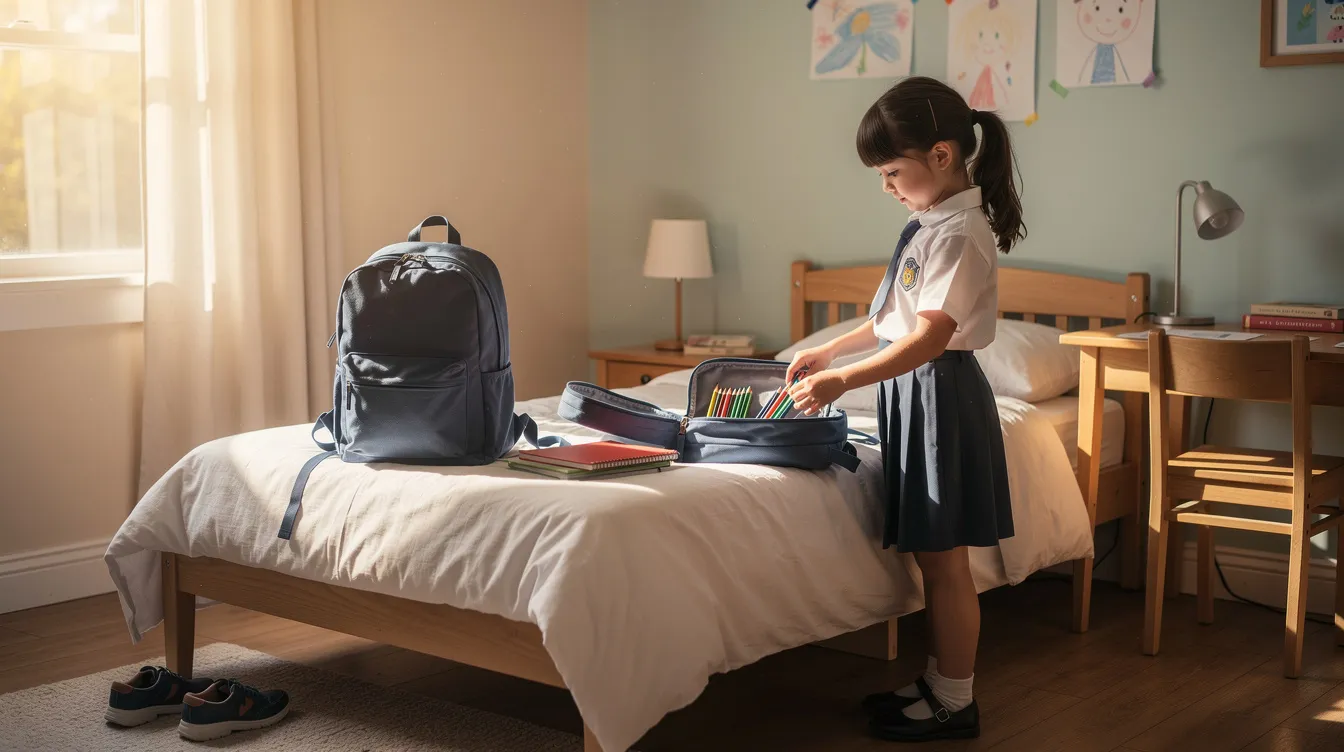
It is early January 2027. A primary school child in Singapore carefully slots new textbooks into a bag, but their stomach is tight. The silent thought looping through their mind: “I’m going to fail again.”
Building learning confidence for the new academic year starts by strengthening academic self-efficacy: helping a child believe “I have strategies to handle this when it gets hard” and giving them small, manageable wins before Term 1 gathers pace. For parents of primary and secondary school students – especially if last year brought weak results, school avoidance, or a child who now seems convinced they are simply “not smart enough” – this matters because confidence shapes engagement, motivation, and mental health long before marks improve.
While confident students see the new academic year as a fresh start – new stationery, new friends – children who struggled last year approach Term 1 with dread. Past PSLE disappointments, mid-year failures, or end-of-year exam results can lock in negative self talk, and early drilling often makes fragile self-esteem worse instead of stronger. The guidance below explains why learning confidence drops, how to rebuild it at home with a clear four-step approach, where growth mindset and age-appropriate choices fit in, and when low confidence may need specialised support or therapy rather than more pressure.
Cognitive Development Learning Centre is a Singapore-based centre focused on emotional readiness and building confidence, not high-pressure tuition. The guidance below offers a step-by-step path to help your child start 2027 feeling stronger.
The Anatomy of Low Student Confidence in Singapore Students
Repeated low marks, red-ink comments, and streaming decisions can create learned helplessness in children from Primary 4 through Secondary 2. Students who fear failure often stop trying altogether – hiding worksheets, copying homework without understanding, refusing to raise a hand because “everyone else already knows.” Students with low confidence often disengage and avoid challenges entirely.
There is a critical difference between fragile praise-based self confidence (“You’re so smart, you got 90!”) and competence-based lasting confidence (“You used a new strategy for that algebra question”). The former collapses after one poor test. The latter is resilient. PISA 2012 data from Singapore show that a one standard deviation increase in mathematics self-efficacy corresponds to a 37-point performance gain – while increased anxiety reduces scores by 22 points.
Social comparison amplifies the damage. Students checking classmates’ marks on Telegram, comparing PSLE scores, or watching study influencer videos can develop a negative self image and feel perpetually behind. Positive self talk supports confidence across academic situations, yet many children never learn how to replace harsh internal criticism with constructive self-reflection. Low student confidence is not laziness – it is a protective response to repeated shame.
Why Pre-Term Academic Drills Can Harm Fragile Self-Esteem
A common scenario: in November 2026, parents buy Primary 6 Maths assessment books hoping to build confidence for 2027. The child meets unfamiliar content without support, cries, and shuts down. This confirms their belief: “I can’t do it.”
Pushing harder material too early without scaffolding backfires because it ignores underlying cognitive gaps. A child with weak working memory or poor attention stamina and learning readiness will find multi-step problems overwhelming regardless of effort. Harder worksheets do not fix these barriers. Low-stakes diagnostic routines help reduce performance anxiety far more effectively than drilling ahead.
The alternative: revisit foundational topics from the previous year using step-by-step scaffolding. Scaffolding provides support during new concept introduction and gradually withdraws it, allowing for early successes. A comprehensive cognitive assessment can help parents distinguish between “not trying” and real processing bottlenecks – a distinction that changes everything.
The 4-Step Framework to Rebuild Learning Confidence Before the New Term
This framework is designed for primary school and secondary students entering a new year after disappointing results. The goal is lasting confidence, not a quick sugar-rush of positivity. Each step includes concrete examples parents can use at home.
Step 1: Separate Your Child’s Worth from Their Marks
A child must feel loved regardless of grades before any growth mindset work can take root. Self-acceptance enhances motivation and academic engagement. Recognizing effort, not just results, enhances student self worth.
Scripts parents can use after a poor test:
- “Your marks show what you know today, not who you are.”
- “What felt hard, and how did you handle it?”
- “I’m proud of how you kept going.”
Shift family conversations from “What did you score?” to “What did you learn?” A child’s confidence grows with successful experiences and support during challenges. If your child is already showing signs of coping with school refusal and academic stress, professional support may be needed.
Step 2: Uncover and Address Root Processing Barriers
A child who cannot hold multi-step instructions in working memory or struggles with visual tracking will find maths problem sums overwhelming regardless of effort. Observable signs include losing their place when reading, forgetting instructions within seconds, or needing repeated re-teaching.
Personalized learning plans address individual strengths and gaps. Teaching metacognitive strategies boosts student independence in learning. Tools like the Singapore Ability Scales, normed on approximately 2,000 local children, can pinpoint specific bottlenecks. Reassure the child: “Your brain is not broken; we just need to strengthen certain skills.” Students become more confident when they have tools to handle challenges independently.
Step 3: Create Daily Micro-Success Loops at Home
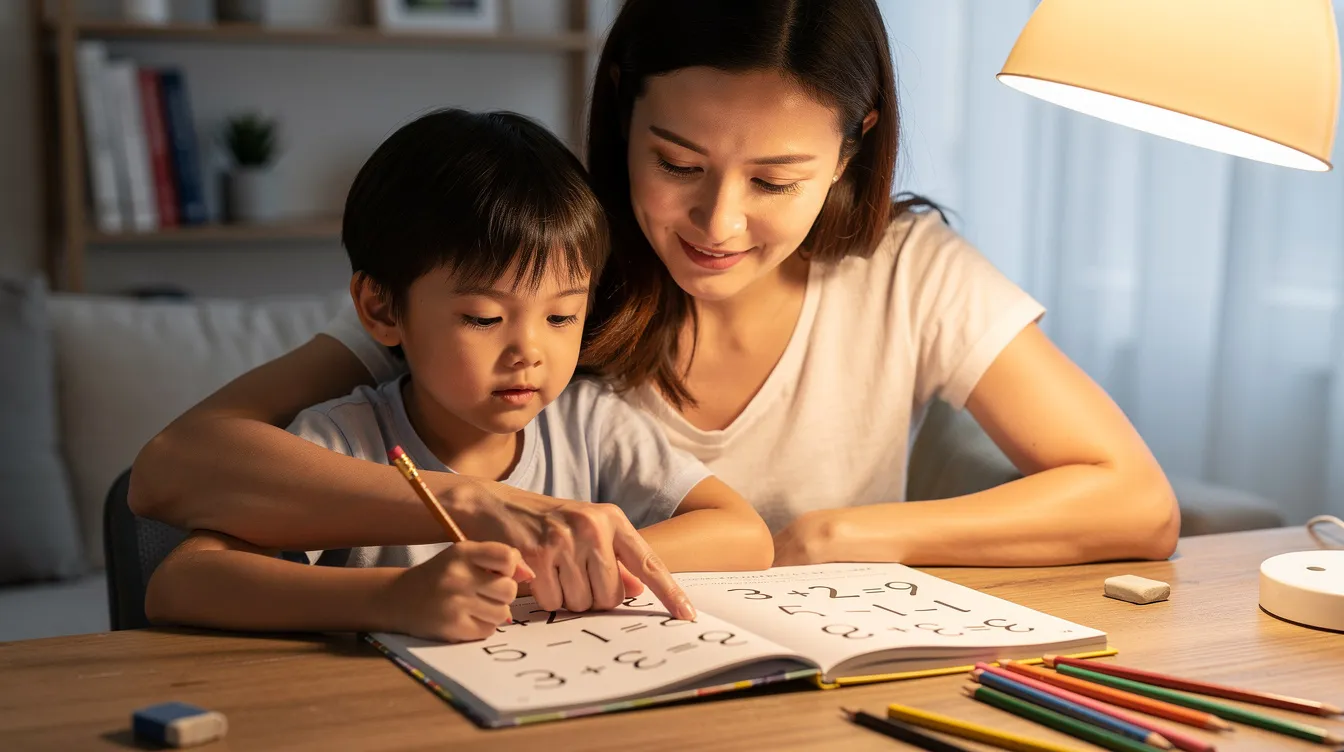
Micro-goal setting involves breaking down larger tasks into smaller achievable targets. For example, a Primary 5 student times a 10-minute focused reading slot; a Secondary 1 student attempts two algebra questions from last year’s topic and notes which strategy helped.
Achieving small wins builds a self-reinforcing sense of momentum. Celebrating small wins boosts students’ belief in their own abilities. Offering low-stakes practice opportunities encourages participation and reduces fear of mistakes. Students should learn that improvement comes from practice and strategies – not innate talent.
Start these routines during holidays or the first weeks of term so children begin 2027 with “I can complete something hard” instead of “I’m always behind.”
Step 4: Praise Process, Strategy, and Recovery – Not Perfection
Praising effort and persistence builds a healthy relationship with learning. A growth mindset contrasts with a fixed mindset, which treats ability as static, and instead emphasizes effort over fixed intelligence and transforms failure into feedback. Students with a growth mindset persist through difficulties.
Use growth mindset language:
- Instead of “Why did you get this wrong again?” → “What did you try here?”
- Instead of “You got full marks!” → “You checked your work carefully even when you were tired.”
- Constructive error analysis reframes mistakes as learning opportunities.
Normalizing mistakes as a normal part of the learning process helps children see errors as feedback, not failure. Rather than treating mistakes as proof of ability limits, this approach uses them to guide the next step. Celebrating failure as a learning tool builds resilience. Positive reinforcement builds a resilient mindset. Share your own learning struggles – for example, a time you failed a test at work – and focus on recovery strategies, modelling healthy self talk.
Practical At-Home Confidence Anchors for the 2027 School Year
Help students track their growth through learning journals or reflection activities. Set up a “Wins Journal” where your child records non-grade achievements: asked a question in class, tried a new study technique, stayed on task for 15 minutes. Encouraging self-reflection gives students ownership of their academic journey, and reflective self-assessment encourages students to audit their past work for personal growth.
Morning affirmations for anxious learners:
- “I can learn this step by step.”
- “It’s okay not to know everything on Day 1.”
- “Mistakes help me discover what to focus on next.”
Specific affirmations strengthen students’ confidence significantly. Positive self talk helps students build resilience and cope with failure.
Role-play classroom scenarios such as not understanding instructions or forgetting homework. Give children exact phrases: “Miss, I understand up to here, but I’m stuck on the next step – could you show me?” Normalizing help-seeking behavior fosters resilience in students.
Create a predictable study space: same desk, same time slot, minimal devices, a clear start-and-finish ritual. Establishing predictable routines lowers anxiety and helps students feel secure. Creating consistent study routines can reduce stress and prepare children for learning. When students feel safe in a safe space, education becomes less threatening.
The Role of Growth Mindset and Age-Appropriate Choices
A growth mindset supports lasting confidence by helping young people see intelligence as developable, not a fixed trait. Using growth mindset language helps students view challenges positively. Students with self-belief are more willing to take academic risks.
Daily phrases that help:
- Add “yet” to statements: “You don’t understand this yet.”
- Replace “I’m bad at Maths” with “I’m still learning how to solve these step by step.”
Emphasizing progress over perfection shifts focus from grades to personal growth. Feedback is most useful when it is actionable and includes next steps – not just a mark circled in red.
Give age appropriate choices to build autonomy: let younger children choose which subject to start with; let a Secondary 2 student choose between revision methods. These small acts of decision making increase motivation and help learners build confidence by feeling in control of their learning journey. Confidence grows when students view their own pace and own abilities as valid. Confidence accounts for 42% of variance in student engagement – and these choices feed directly into that engagement.
Combining growth mindset language, positive affirmations, and age appropriate choices creates a home environment where building a positive self image is part of everyday life, not a one-off motivational talk.
When Home Strategies Aren’t Enough: Specialised Intervention and Therapy
Some children need more support than parents alone can provide. Watch for ongoing school refusal, panic before tests, frequent stomach aches on school days, or continued academic decline despite effort.
Creating a safe classroom environment encourages students to take intellectual risks. Creating safe spaces for mistakes enhances student learning. Positive learning environments boost student motivation and participation, and positive environments increase student motivation and participation. When educators and therapists create a safe space for mistakes, it encourages risk-taking in learning – something a struggling child desperately needs.
Specialised learning intervention programmes systematically strengthen core cognitive skills while teaching study strategies tailored to the child’s profile. Cognitive Development Learning Centre integrates child psychological therapy for low self-esteem with academic support, addressing both fear of failure and the processing barriers behind it.
Seeking professional help is not failure. It is a proactive way to help students build lasting confidence, emotional resilience, and healthier mental health for future school years.
Partnering with Cognitive Development Learning Centre for a Confident New Year
Building learning confidence for the new academic year means working on emotional safety, a growth mindset, small wins, and cognitive skills – not piling on more worksheets or tuition. Academic success and academic excellence follow when a child’s self esteem and self confidence are intact.
At an initial consultation, parents can expect a discussion of the child’s history, a recommendation for a comprehensive cognitive assessment, and a personalised confidence-building plan. Our programmes focus on self esteem, self-efficacy, and attention stamina and learning readiness, creating confident students who face new challenges and exams with calm.
If your child is entering a new school level in 2027 and already showing dread, avoidance, or harsh self-criticism, reach out. It is never too late to help a child trust their mind again – confidence grows with the right support, and every child deserves to feel confident walking into class.

Frequently Asked Questions
Many Singapore parents share similar concerns about building confidence for a new academic year. These FAQs address practical issues not fully covered above.
When should I start building my child’s learning confidence for the new school year?
Confidence-building can begin as soon as the previous year ends – ideally during the November–December break. Even starting in the first three to four weeks of Term 1 in January 2027 makes a meaningful difference. Keep holiday activities light but intentional: a few micro-success loops each week, gentle review of last year’s foundations, and growth mindset language rather than intensive drilling. If you feel “late,” know that self-efficacy can grow at any point in the school cycle. Students learn and develop at their own pace.
How do I balance encouraging my child with not adding more academic pressure?
Set realistic daily study caps – 30 to 60 minutes for primary school, 60 to 90 minutes for secondary – and protect time for rest, hobbies, and family connection. The tone of conversations matters more than the number of worksheets. Focus on curiosity (“What part was tricky?”) rather than interrogation. Regularly check your child’s stress level and adjust expectations when signs of burnout appear. A positive attitude at home boosts confidence far more than an extra homework sheet.
What can I do if my child compares themselves constantly to siblings or classmates?
Redirect attention to the child’s own progress: “Last term you avoided reading; this term you read 10 minutes a day.” Avoid open mark-sharing at the dinner table. Celebrate effort-based achievements for each child separately, helping each maintain a positive self image. Negative body image can lead to low self-esteem and anxiety – comparisons feed this cycle. If comparisons become obsessive or tied to strong shame, working with a therapist to rebuild a child’s confidence and sense of self worth beyond academics can be very helpful.
How can I support a teen who says they “don’t care” about school anymore?
“I don’t care” often masks “I’m scared to try and fail again,” especially after major exams. The first step is to listen calmly rather than argue. Ask: “When did you start feeling this way?” or “What would make school slightly more bearable?” Validate feelings before jumping to solutions. If apathy persists, consider a comprehensive cognitive assessment and possibly psychological therapy – long-term disengagement can signal deeper burnout that needs structured support to help students approach life with renewed motivation.
How do I know if my child needs a specialised programme rather than regular tuition?
Look for persistent low confidence despite tuition, frequent tears about homework, physical complaints on school days, or teachers noting attention and learning readiness issues rather than just content gaps. If a child’s main struggles involve self belief, anxiety, or core processing skills like slow copying or difficulty maintaining focus, a specialised learning intervention integrating emotional support is more appropriate than extra drilling. Reach out for a consultation to discuss your child’s specific profile so that any plan addresses both academic performance and the emotional foundations of lasting confidence.
Comments are closed