-

Beyond Decoding: Helping Children Improve Reading Fluency and Build True Reading Fluency
Key Takeaways Reading fluency is the bridge between sounding out words and strong reading comprehension skills. Many primary school children in Singapore can technically “read” but lack the fluency needed to understand what they have read. Common fluency red flags include word-by-word reading, slow and effortful decoding, flat or robotic tone, and children forgetting the…
-

The Exam Hall Bottleneck: Understanding Attention Difficulties During Examinations
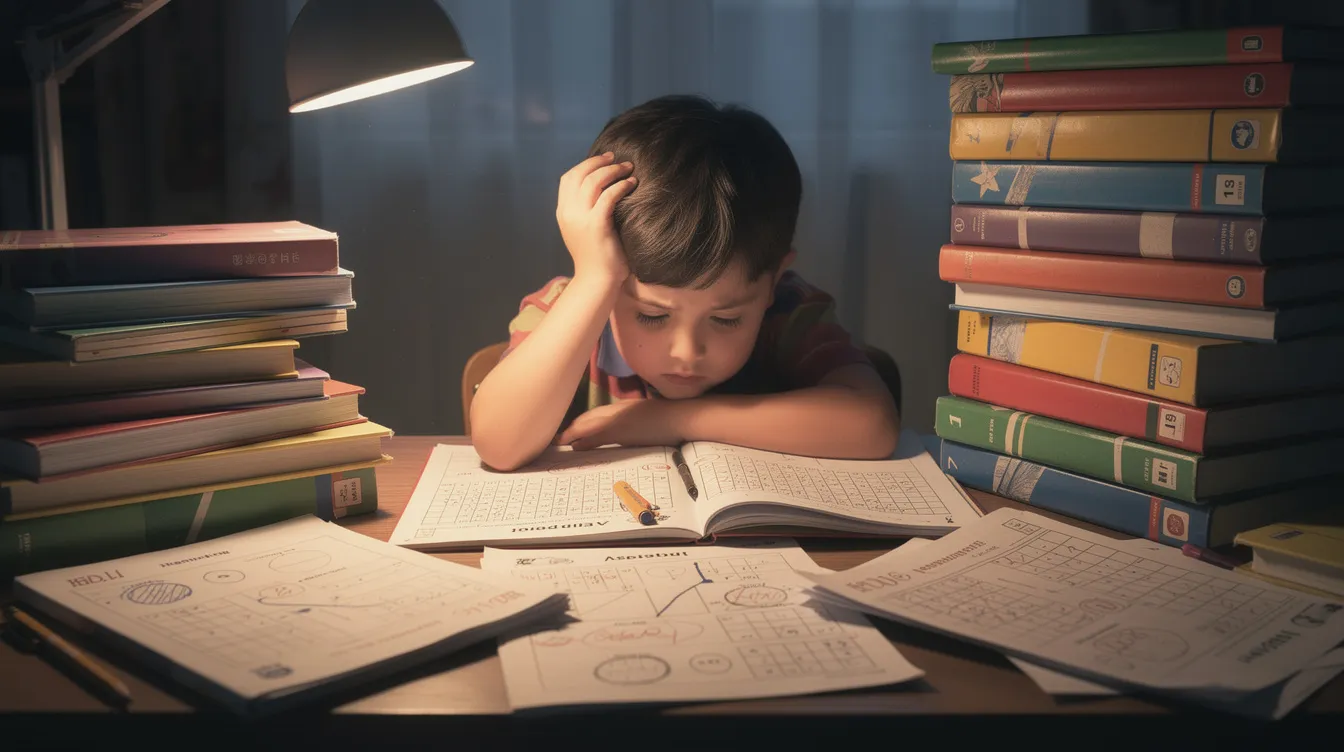
Key Takeaways Children who score 80–90% on home practice can drop to 40–60% in real exams due to breakdowns in sustained attention, working memory, and time management-not laziness or poor revision. This pattern is common across Singapore’s primary school and secondary level system, especially around the Primary School Leaving Examination and mid-year or year-end exams.…
-
The Tuition Paradox: Why Tuition Does Not Solve Learning Struggles
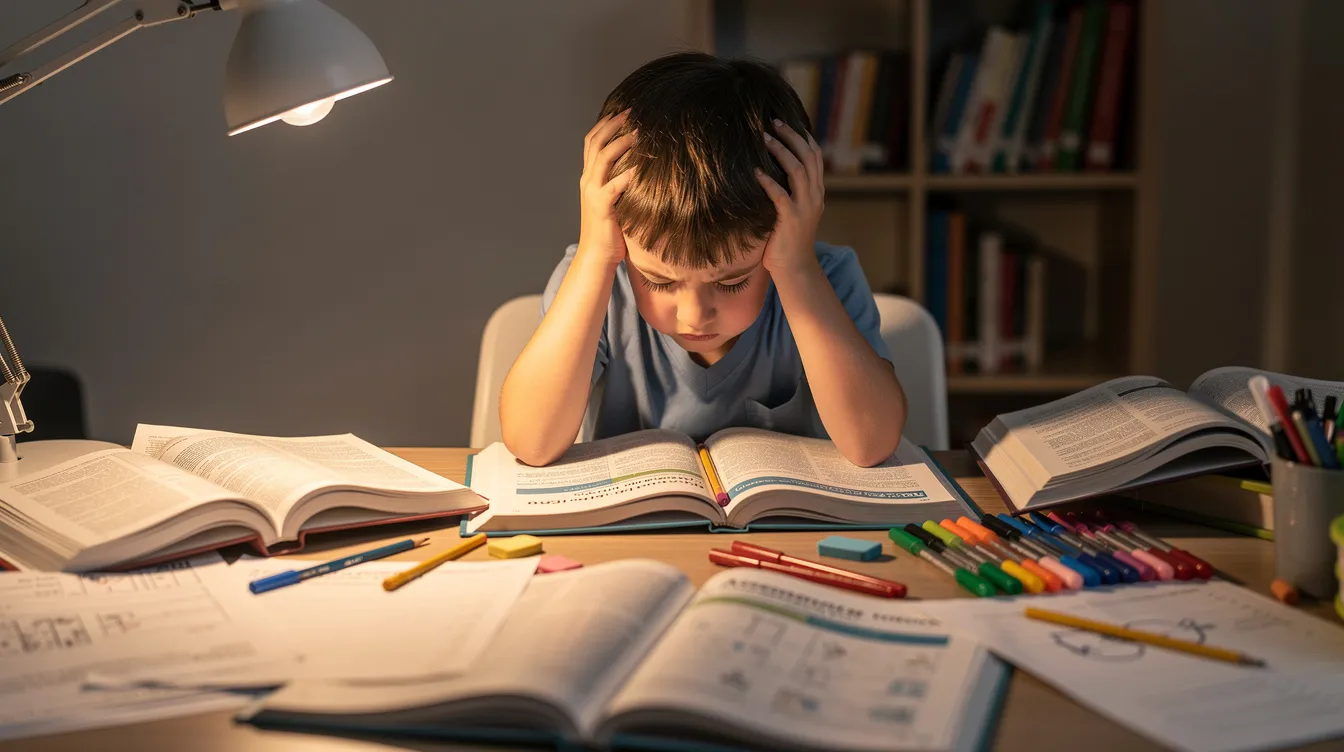
Key Takeaways Traditional tuition classes focus on re-teaching syllabus content and exam drilling, but many children struggle because of underlying cognitive processing, attention, or working memory bottlenecks that tuition cannot fix. Piling on group tuition, one on one tutoring, and more assessment books can harm mental health, family relationships, and confidence when the root cause…
-
The Bridge to Academic Success: Supporting Communication and Learning Development in Children
Key Takeaways Communication for learning goes beyond social chat – it is how children receive, process, and express ideas across every school subject. Hidden gaps in receptive language or expressive language often look like carelessness, laziness, or anxiety rather than a skills deficit. Language delays and processing difficulties affect Math word problems, Science explanations, and…
-
Beneath the Surface: Uncovering the Root Causes Behind Learning Struggles in Children
Key Takeaways When a child works hard but still underperforms, the issue is rarely motivation or work ethic. Persistent academic struggles usually signal deeper learning differences in cognitive, language, or emotional processing that tuition alone cannot fix. Five hidden root causes drive most learning struggles: weak working memory, slow processing speed, executive functioning weaknesses, phonological…
-
When School Feels Too Much: A Parent’s Guide to School Coping Difficulties
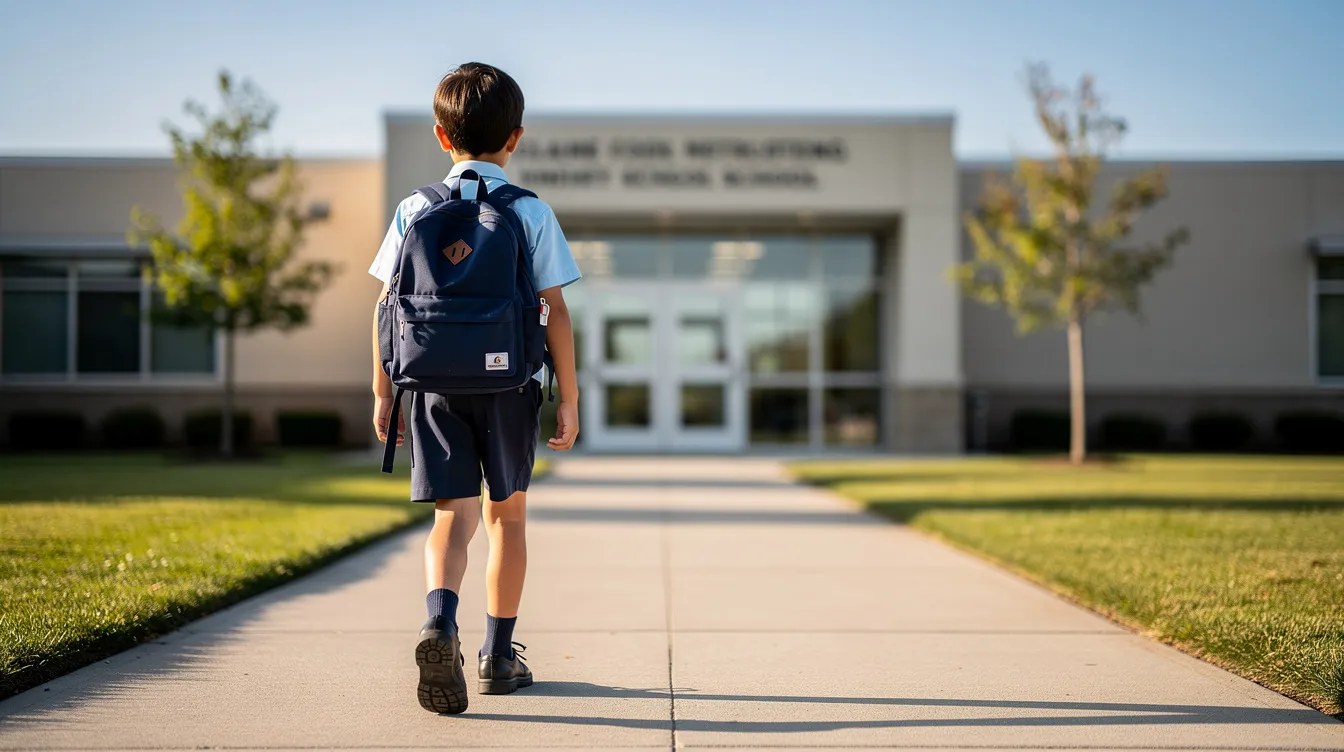
If your child wakes up dreading the school day, complains of headaches every Monday morning, or melts down over homework that used to feel manageable, you are not alone. School coping difficulties affect more children in Singapore than most parents realise – and they almost always signal something deeper than laziness or defiance. This parent…
-
Helping Children Become Independent Learners: Beyond Homework Supervision and How to Help Your Child
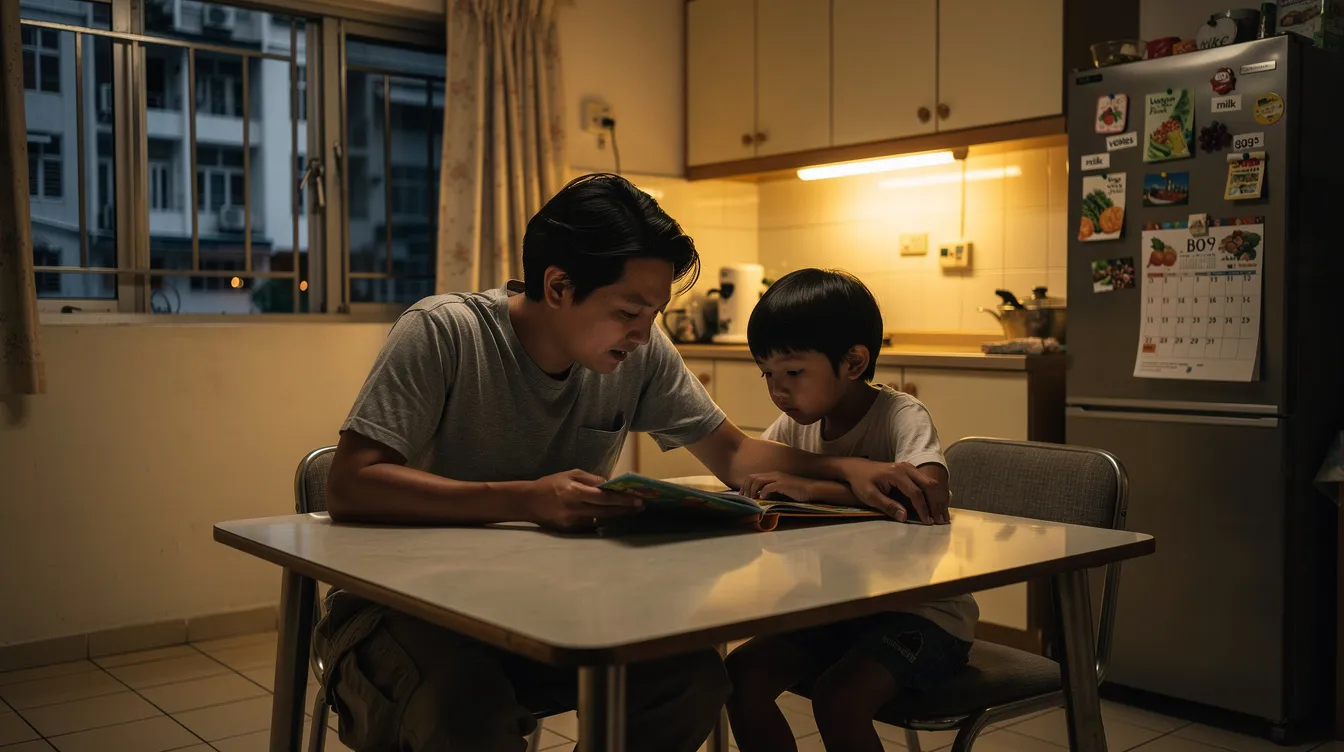
Every evening in thousands of Singapore homes, the same scene plays out: a parent sits beside their Primary 4 or 5 child for two hours, pointing out every mistake, repeating instructions, and managing each step of the homework. The child waits to be told what to do next. The parent grows exhausted. Nothing changes. This…
-
Beyond the Classroom: Understanding Autism and School Coping Difficulties
Key Takeaways Many autistic children appear to “cope” during the school day but experience intense meltdowns, emotional outbursts, or exhaustion the moment they arrive home. This is not manipulation-it is a sign their coping capacity has been depleted. School coping difficulties typically stem from sensory overload, social fatigue, executive functioning demands, and unpredictable changes-not low…
-
The Hidden Barrier: How Language Processing Difficulties Impact Classroom Success
A P4 child sits in a neighbourhood primary school classroom. The teacher explains a multi-step task. The child looks blank, copies a friend’s work, and asks, “Huh? What must we do?” This scene repeats across Singapore classrooms every day, and it has nothing to do with hearing or intelligence. Key Takeaways Language processing is how…
-
Beyond “Be More Careful”: Why Children Make Careless Mistakes in School
Every parent in Singapore has lived this moment: your child brings home a math paper, and the marks lost have nothing to do with not knowing the content. A decimal point shifted. A negative sign vanished. The last sub-part of a question was left blank. The teacher’s red ink simply reads: careless. Your instinct is…