Transitioning into a new school year can bring anticipation and anxiety in equal measure. For families in Singapore, the shift from relaxed holiday mornings to 6 a.m. alarms, packed timetables, and mounting academic expectations hits fast. This guide gives you a clear, pillar-based framework for preparing children for the new school year in Singapore-one that goes far beyond new uniforms and assessment books.
Key Takeaways
- Preparing for the new school year is about emotional wellbeing, routines, and executive functioning, not just buying stationery and drilling worksheets.
- High-stakes transitions (Primary 1, Primary 4, PSLE year, Secondary 1) are especially tough for children with attention, learning, or sensory differences. Parents can systematically support each child’s transition.
- Starting 2–3 weeks before the first day with sleep adjustments, routine rehearsals, and gentle cognitive activities makes it far easier for a child to adjust.
- Making room for mixed emotions during transitions is important for children-validation matters more than reassurance.
- Cognitive Development Learning Centre focuses on attention stamina and learning readiness, executive functioning, and specialised learning intervention rather than drill tuition.
Understanding Why New School Years Feel So Intense in Singapore
Picture the scene: it is late December, and your child has spent weeks sleeping past 9 a.m., playing freely, and eating meals on no fixed schedule. Within days, they will face a rigid school routine, unfamiliar teachers, new classmates, and a syllabus that is denser than last year’s. That abrupt contrast is why the start of a new school year can feel overwhelming for kids and parents alike.
High-stakes transitions amplify the pressure. A child entering Primary 1 in January 2027, navigating Primary 4 subject banding, sitting the PSLE, or moving to Secondary 1 faces not just a new environment but a fundamentally different academic and social landscape. Students moving to Year 7 (Secondary 1) face increased academic demands, new subject combinations, and a much larger campus.
For children with underlying learning profiles-ADHD, dyslexia, autism, weak working memory, or slow processing speed-these transitions are even more demanding. They may “look fine” on the outside while struggling internally with the executive and emotional load.
The core thesis is straightforward: to help your child adjust smoothly, focus on emotional regulation, attention stamina, and independent learning habits-not just extra academic content.
Key Challenges Children Face at the Start of a New School Year
Most children need four to six weeks to fully settle into a new school year or new school. That adjustment period is normal, not a sign of failure.
Here are the challenges that make this stressful time so demanding:
- Increased executive load: Managing different subject teachers, remembering PE days, bringing art materials, handling weekly spelling tests, and navigating online portals like SLS or Parents Gateway all compete for a child’s limited cognitive bandwidth.
- Academic jumps: The leap from P2 to P3 English composition or from primary to secondary school-where subjects like Chemistry and Literature appear suddenly-can feel overwhelming. Organisational skills help manage this increased academic workload, but many children have not yet developed them.
- Social and sensory adjustment: New classmates, louder canteens, more crowded bus rides, and unfamiliar classroom layouts overload children who are introverted or sensory-sensitive. Almost 25% of students find social adjustment difficult when entering secondary school.
- Back-to-school anxiety and resistance: Sunday-night stomach aches, meltdowns before the first day, refusal to do homework, or repeated “I hate school” comments are signs a child may feel anxious about the transition.
These challenges are magnified for neurodivergent learners. If your child’s resistance seems disproportionate, resources on back-to-school anxiety and academic stress can help you understand what is happening beneath the surface.
Why Pure Drill Tuition During the Holidays Often Backfires
A common Singapore pattern: parents fill November and December with back-to-back tuition classes to “get ahead” of the syllabus. The intention is understandable-but the outcome often works against the child.
Intensive drilling without first addressing executive functioning skills and study routines causes burnout before the term even starts. Cramming P5 or Sec 3 content into a child who still struggles with working memory, note-taking, or planning homework leads to frustration and lower confidence.
How Cognitive Development Learning Centre differs from typical tuition:
- Programmes target cognitive readiness, emotional regulation, and sustainable study routines-not worksheet volume.
- The focus is on how the child learns, not just what the child learns.
- Engaging in light academic activities before school can help awaken focus without burnout, which is the guiding principle behind every programme.
The 4-Pillar Back-to-School Readiness Framework
This framework is designed to be started about two weeks before the new school year in Singapore-around mid-December for a January term start. Start establishing routines several weeks before school begins, and you will see the difference.
You do not need to be perfect in every pillar. Even small, consistent steps across all four areas will help your child’s transition. Structured activities help children feel more prepared for the new school year.
Pillar 1: Re-establishing Sleep and Daily Routines (2 Weeks Before School)
Children ages 6 to 13 need nine to 11 hours of sleep nightly. For teenagers in secondary school, Singapore’s Integrated 24-Hour Activity Guidelines recommend 8 to 10 hours of sleep per day.
Practical steps:
- From around 18–20 December, start moving bedtime and wake-up time earlier by 15–20 minutes every 2–3 days to match the January schedule. Parents can help children transition by adjusting sleep schedules early.
- Gradually returning to regular daily routines can ease children’s transition into school. Gradually adapt your child’s routine to mirror school schedules well before the first day.
- Build an evening routine: early dinner, light physical activity or sports, shower, 20–30 minutes of quiet reading, then lights out.
- Reduce screen time 60 minutes before sleep. Replace late-night gaming with calming, screen-free activities.
- Regular meals and exercise support children’s readiness for school. Healthy daily habits support children’s well-being during school transitions.
Pillar 2: Setting Up Executive Function Systems at Home
Executive functioning, in parent language, means planning, organisation, time management, and flexible thinking-the skills needed for independent learning.
- Set up a distraction-free study corner at home. A simple desk, labelled stationery, and a visible weekly timetable on the wall go a long way. Maintain your child’s homework space for consistency throughout the year.
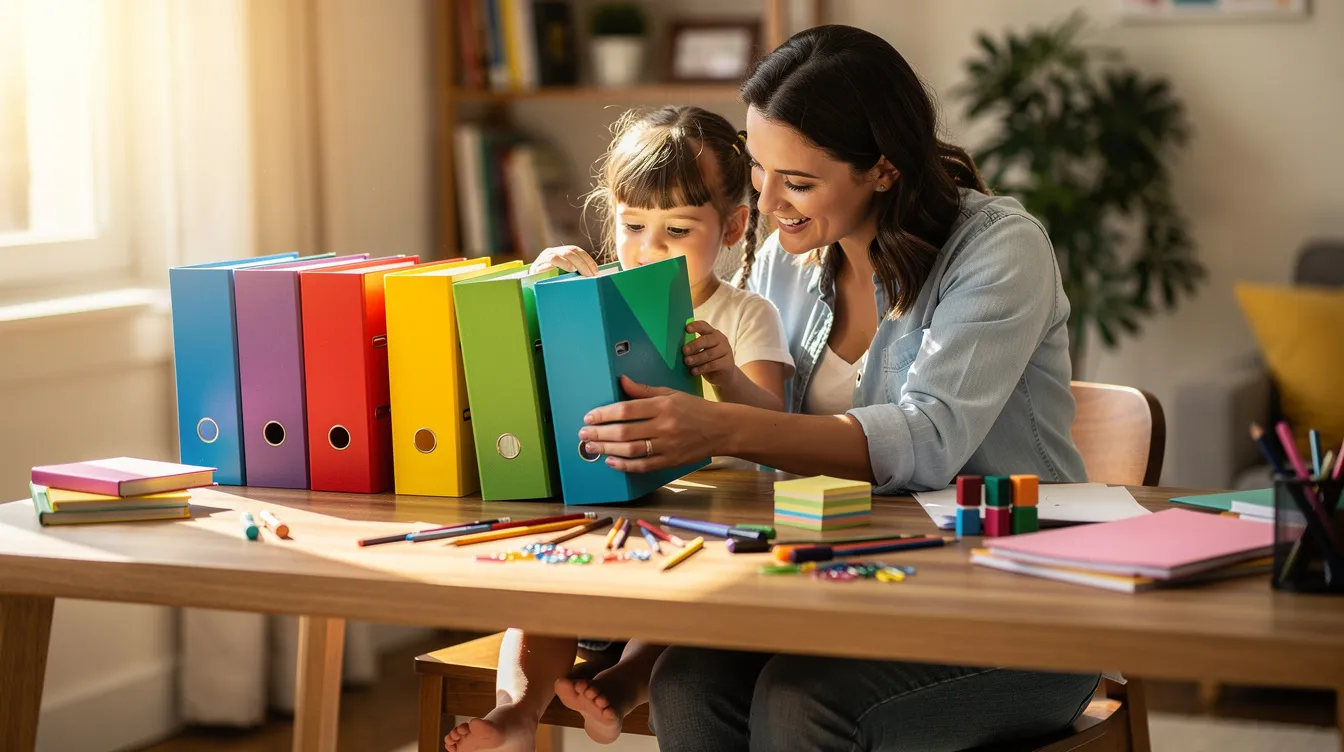
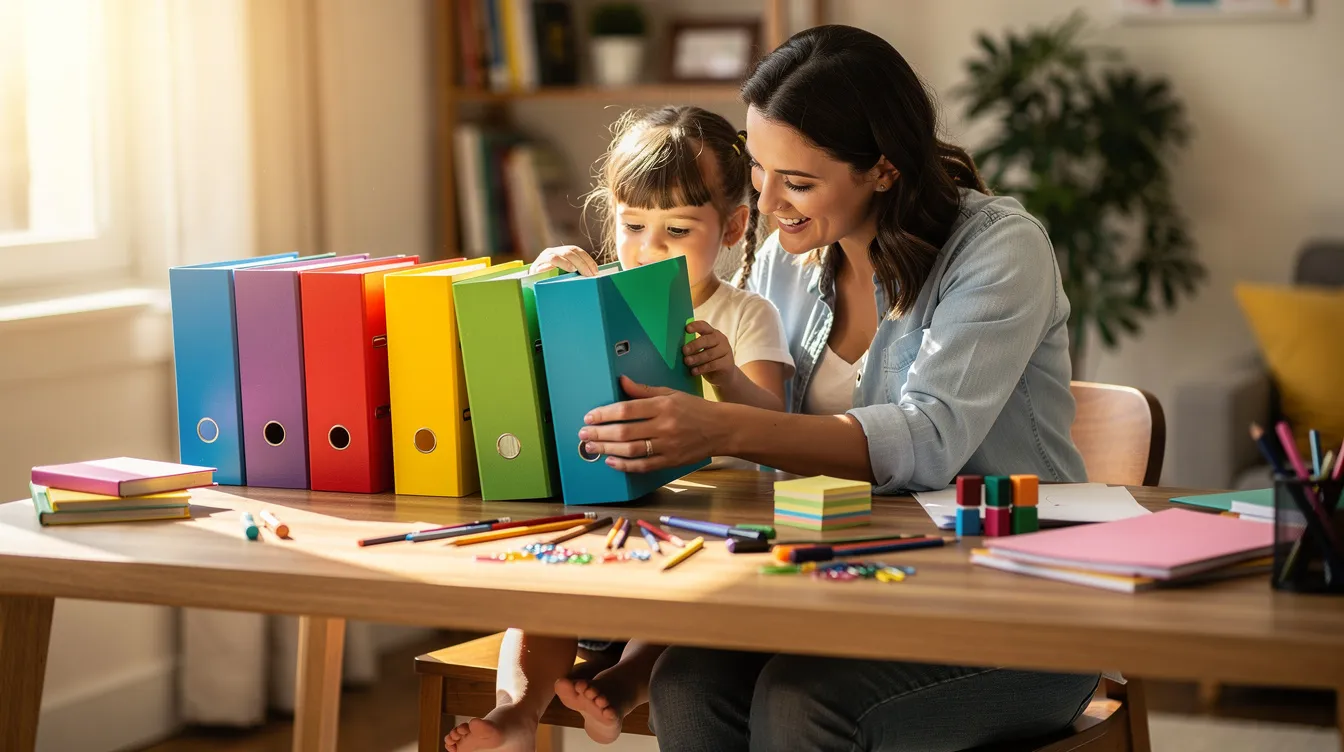
- Use colour-coded folders by subject (blue for Math, green for Science) so your child can track worksheets and notices from the first day.
- Introduce a paper planner or simple calendar to record homework, CCA timings, and major tests.
- Practicing small tasks at home-like organising files or labelling books-supports children’s transition to Primary 1 and beyond.
Pillar 3: De-escalating Transition Anxiety and Supporting Emotional Wellbeing
Feeling nervous before a new school year, class, or form teacher is normal, even for confident children. Parents should validate their children’s feelings about transitioning into a new school rather than dismissing worries.
- Use short, daily conversations to explore worries. Open, honest conversations can help children express their feelings about school. Positive conversations about school can ease a child’s worries.
- Try concrete exposure strategies: visit the new school gate and route in late December, walk through nearby bus stops, and practise drop-off routines. Familiarizing children with the school environment can reduce anxiety on the first day.
- Reading books about change can help children express feelings, especially for younger children entering kindergarten or Primary 1.
- Normalise mistakes and early struggles by sharing age-appropriate stories about your own school transitions or exam setbacks.
Pillar 4: Building Cognitive Readiness and Learning Stamina (Without Overload)
Cognitive readiness means having enough attention span, working memory, and processing speed to cope with classroom instructions and homework.
- Suggest 15–30 minute daily brain workouts: high-interest reading, logic puzzles, memory card games, or short problem-solving tasks. Encourage reading time daily to build consistent learning habits.
- Slowly increase study stamina: start with 10 focused minutes, then a short break, building up to 25–30 minutes for upper primary and 40 minutes for secondary students.
- Activities that support independent learning work well: summarising a short article, teaching parents what they learnt, or planning steps for a small project. Reading daily fosters consistent learning practice for children.
- Some children benefit from a structured programme targeting core cognitive skills. Parents can consider a comprehensive cognitive assessment before school starts to identify specific areas of need.
Practical Timeline: 1 Month, 2 Weeks, and 1 Week Before the First Day
Use this as a simple action roadmap. Dates are anchored to the typical MOE term starting in early January but work for any mid-year transition too.
About 1 Month Before School Starts
- Review the previous year’s report card and teachers’ comments with your child to identify strengths and challenges.
- Talk about upcoming transitions-moving to Primary 1 or Secondary 1-and what will be different in timetable, subjects, and CCAs. Familiarity with the curriculum helps children prepare for school.
- Visit the school website together: look at photos of classrooms, uniform guides, and CCA options to build excitement rather than fear.
- Restart learning lightly with enjoyable reading, audiobooks, or educational outings (libraries, Science Centre, museums) rather than heavy worksheets.
About 2 Weeks Before the New School Year
- Start the sleep schedule shift and school-morning rehearsal described in Pillar 1. Practicing school routines can reduce first-week stress significantly.
- Set up the homework and study space fully: clear clutter, prepare a stationery box, label files, and put up a simple weekly planner.
- Arrange one or two playdates or meet-ups with classmates or other families from the class or CCA. Playdates can help children feel comfortable in new schools and refresh social skills.
- Involving children in back-to-school shopping enhances their sense of ownership and builds excitement about the new term.
About 1 Week Before the First Day of School
- Check uniforms, shoes, name tags, and transport arrangements so there are fewer last-minute crises on the first day.
- Pack a sample school bag together, including a labelled water bottle, a small comfort item if appropriate for younger children, and necessary subject files. Children should rehearse getting dressed independently and packing school bags.
- Set simple goals: agree on two or three realistic targets for the term (e.g., “hand in homework on time,” “ask teacher one question per week,” “practise deep breathing when stressed”).
- Plan a calm, early night before school starts and a pleasant but not over-stimulating family activity the weekend before to keep anxiety contained.
Supporting Social Skills, Friendships, and CCA Choices
Social skills and friendships are central to a child’s transition, especially when entering a new school or new class. Almost a quarter of students find social adjustment difficult in secondary school, so preparation matters.
- Role-play greetings and introductions, practise asking to join group activities, and coach simple conversation starters about CCAs and hobbies. Encouraging communication helps children build social connections.
- For Primary 1 or Secondary 1 students, talk through typical recess scenarios in Singapore canteens: queuing for food, finding a place to sit, and approaching new friends.
- Encouraging extracurricular activities helps children develop social skills and build confidence in a low-pressure social environment. But avoid overloading the timetable in Term 1-let your child navigate the new challenges first.
- Connect lightly with other families via WhatsApp class chats or parent networks while respecting each child’s social comfort level. Other children are adjusting too.
Encouraging Independent Learning and Healthy Responsibility
Independent learning becomes critical from around Primary 3–4 onwards, and especially in secondary school.
- Give younger children age-appropriate responsibilities: packing their own bags with a checklist, choosing what to wear. Children should practice self-help skills to foster independence for school.
- Older children can monitor their own homework deadlines and CCA schedules. Use small, specific goals with positive reinforcement-a simple weekly chart tracking homework completion or self-starting study sessions.
- Do not rescue too quickly from every discomfort. Allow children to experience manageable consequences, like a gentle reminder from a teacher, to develop cope skills and resilience.
- For children with executive functioning challenges, scaffolding is still needed. Professional coaching on executive functioning skills can make independent learning more achievable.
How to Help Your Child Adjust to a New School Environment
For families entering a completely new school-Primary 1, a transfer, or moving from neighbourhood primary to an IP secondary or international school-the adjustment carries extra weight.
- A school tour can reduce first-day jitters for children. Arrange orientation days and show key locations: classroom block, canteen, general office, sick bay, and main gates.
- Establish a relationship with your child’s educators early. Talk to your child’s teacher about any concerns, including relevant learning or emotional profiles such as attention issues or sensory sensitivities. Parents who engage with schools help ease transitions.
- Join parent communities like PSG or parent WhatsApp groups to exchange practical advice and reduce the family’s sense of isolation.
- During the first week and the weeks that follow, keep consistent routines at home, maintain early bedtimes, have gentle debrief conversations after school, and monitor children’s emotional wellbeing. Parents should monitor children’s emotional well-being during transitions closely.
When to Seek Additional Support for Your Child’s Transition
Some children need more than home strategies. Seeking help early is protective, not “kiasu.” Open communication about mental health is essential for every family.
Watch for these red flags:
- Ongoing school refusal or separation anxiety that persists well past the first week
- Frequent psychosomatic complaints (headaches, stomach aches) on school days
- Extreme meltdowns over homework or extreme difficulty with focus despite effort
- Persistent academic struggles: difficulty remembering instructions, reading far below level, very slow writing, or chronic disorganisation even with support
A comprehensive cognitive assessment can identify attention, memory, language, or processing weaknesses that underlie school difficulties. Specialised learning intervention programmes focused on emotional regulation and executive functioning can make the new school year more manageable.
How Cognitive Development Learning Centre Supports Back-to-School Readiness
Cognitive Development Learning Centre helps families in Singapore prepare children for the new school year and major transitions like Secondary 1. This is not conventional tuition.
Key services relevant to preparing for the new term:
- Learning readiness consultations to understand your child’s cognitive profile
- Cognitive assessments to pinpoint attention, memory, and processing strengths and gaps
- Targeted programmes that build attention stamina, executive routines, and emotional regulation-not syllabus drilling
The team collaborates with parents and, where appropriate, with schools to support the child’s transition plan and ongoing emotional wellbeing. Programmes develop self-awareness, independence, and confidence alongside academic capability.
If you want to ensure a smooth, confident start to the new academic year, contact Cognitive Development Learning Centre for a learning readiness consultation before the new term begins.
Frequently Asked Questions About Preparing Children for a New School Year in Singapore
These FAQs cover practical concerns specific to Singapore’s school context, including MOE calendar timing, common transition ages, and exam pressures.
How early should I start preparing my child for the new school year?
Light emotional and routine preparation can start about one month before, with more structured sleep and executive routines from two weeks before the first day. Children who struggled significantly in the previous year, or who are starting Primary 1 or Secondary 1, may benefit from even earlier support such as readiness coaching during the November–December holidays. An excited child still benefits from gradual preparation.
What if my child is excited now but starts resisting school after a few weeks?
This is the common “honeymoon period”-novelty carries children through the first days, followed by fatigue once homework and tests increase. Monitor routines, sleep, and workload carefully. Reintroduce strategies from the 4-pillar framework and talk with teachers if resistance persists beyond three to four weeks. It is normal for some children to feel anxious only after the initial excitement fades.
How many extracurricular activities are healthy at the start of a new school year?
Most primary children should begin with one CCA plus one external activity at most. Secondary students should be cautious about overcommitting in Term 1. The priority in the first term should be helping the child adjust to the new schedule, academic expectations, and emotional load before adding more classes or activities. A balanced routine matters more than a packed one.
How can I balance encouraging independence with still supporting my child?
Start by giving the child ownership of small tasks-packing their bag, checking the timetable-while keeping backup checks in the background. Support can gradually be faded as the child shows competence. Some learners with executive function challenges will need structured scaffolds for longer, and that is perfectly acceptable.
Is it better to change schools at the start of the year or mid-year if my child is unhappy?
Where possible, beginning at the start of a new school year is easier socially and academically because other children are also new to the teacher and routines. If a mid-year move is unavoidable due to relocation or serious issues, parents can still ease the child’s transition by applying the same emotional, social, and executive strategies described throughout this guide. Encourage your child and keep communication open throughout the process.
Comments are closed