
Every parent wants their child to walk into school feeling ready, not afraid. Yet for many families in Singapore, the school day begins with tears, stomach aches, and whispered pleas to stay home. The journey from school anxiety to school confidence is not about pushing harder or piling on more tuition. It is a deliberate, structured process that addresses what is really going on inside your child’s mind and heart.
Key Takeaways
- School anxiety is common – academic anxiety affects approximately 11% of children ages 3-17 – and it is highly treatable with the right support.
- Pushing harder with more drill tuition often worsens anxiety symptoms. Restoring emotional safety and uncovering root causes (like working memory gaps or dyslexia) creates lasting change.
- Anxiety shuts the brain down under pressure, but emotional safety plus small wins rebuild self-belief. Confidence builds through small, achievable successes, not through a single breakthrough exam score.
- Cognitive Development Learning Centre in Singapore combines child psychological therapy, cognitive assessment, and specialised learning intervention to support anxious learners holistically.
- This article gives you a clear 4-step roadmap, practical coping skills, at-home strategies, and guidance on when to seek professional support for your child’s anxiety.
When School Turns From Curiosity to Fear
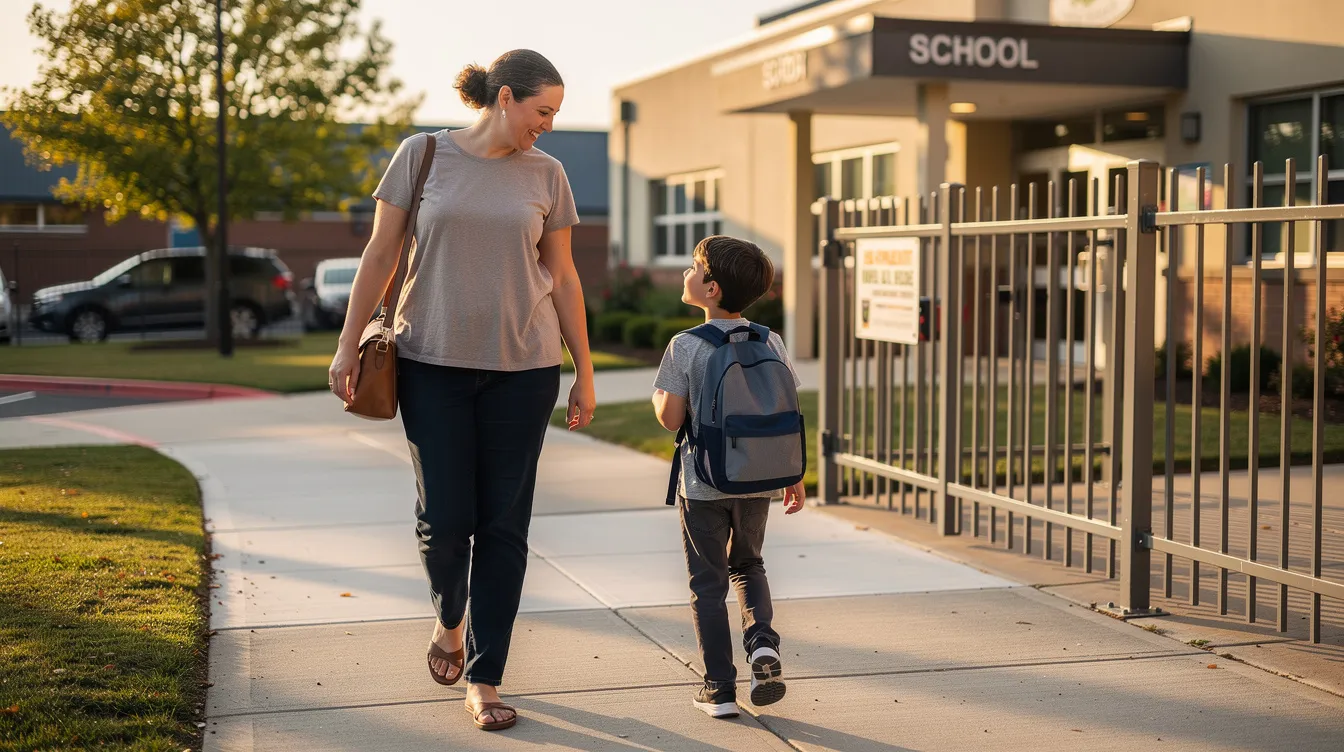
Picture this: a Primary 4 child in Singapore wakes up on an exam morning, clutching her stomach, refusing breakfast, eyes already red. Her mother coaxes, negotiates, eventually carries her to the school gate. Down the corridor, another child walks in calmly, backpack on, nervous but steady, ready to try even if the paper is tough.
These two children may have the same potential. The difference is not talent. It is what has happened – or not happened – to their sense of safety around learning.
In Singapore’s high-stakes academic environment, where PSLE scores shape secondary school paths and mid-year exams loom large, academic stress has increased significantly over the last decade. Students often feel overwhelmed by endless academic workloads, and for some, this chronic pressure transforms curiosity into dread. About 11% of children ages 3-17 have anxiety disorders, and many more experience subclinical anxiety that quietly erodes their willingness to learn.
Occasional worry before a test is normal. But persistent morning tears, extreme fear of failure, or refusal to enter the school gate signal something deeper – an anxiety disorder or severe academic anxiety that needs more than encouragement. The path from school anxiety to school confidence is not about “toughening up.” It requires:
- Rebuilding emotional safety at home and at school
- Addressing underlying learning barriers that make every school day harder
- Helping the child experience genuine success again

Understanding the Anxiety–Confidence Spectrum in Learning
Think of your child’s relationship with school as a spectrum. On one end, a child who experiences anxiety daily – physical symptoms like nausea and headaches, “mind blanks” during tests, avoidance of homework. On the other end, a child with steady academic confidence who can cope with academic pressure and bounce back from mistakes.
Anxiety disorders in children show up in many forms: academic anxiety that freezes them during exams, social anxiety around classmates, separation anxiety when leaving parents, or perfectionism so intense it prevents them from starting work at all. These are not signs of “being sensitive.” They are patterns that reflect real changes in how the brain processes threat.
Here is what happens under the surface:
- Stress triggers the amygdala (the brain’s alarm system), which reduces access to working memory – the mental workspace needed for thinking, reasoning, and problem-solving
- Anxiety compromises executive functioning, impacting learning and performance across all subjects
- Highly test-anxious students score 12 percentile points lower than peers with similar ability, purely because anxiety blocks their thinking
- Anxiety can interfere with reading fluency and comprehension, making even familiar passages feel impossible under timed conditions
- Math anxiety affects about 20% of students, causing panic at the sight of word problems regardless of actual mathematical ability
- Students with anxiety often avoid engaging with learning due to fear, missing the very practice that would help them improve
In Singapore, Generalized Anxiety Disorder affects 1 in 45 Singaporeans aged 18 to 24, and many of these young adults trace their anxiety back to primary or secondary school years. Anxiety disorders can lead to significant academic performance issues that compound year after year.
Children with underlying learning differences – dyslexia, ADHD, slower processing speed, or attention challenges – are especially vulnerable. Each school day quietly reinforces the message “I’m not good enough,” shrinking their academic confidence and deepening self doubt.
The Vicious Cycle of School Anxiety vs the Virtuous Cycle of Confidence
The difference between an anxious learner and a confident learner is not fixed. It is a cycle – and cycles can be broken.
| The Anxious Learner | The Confident Learner |
|---|---|
| High academic stress or hidden learning difficulty | Emotional safety at home and in the school environment |
| Constant worry and physical symptoms (stomach aches, sleep disturbances) | Clear understanding of personal strengths and learning gaps |
| “Mind blanks” and shutdown during tests | Targeted support and small, realistic goals |
| Poorer academic performance | Repeated experiences of earned success |
| Harsh self-talk: “I’m stupid, I’ll never get it” | Positive self talk: “That was hard, but I can learn from it” |
| More avoidance, school refusal, and fear of failure | Stronger self belief and willingness to try harder tasks |
Students with academic anxiety often avoid challenges, missing skill-building opportunities that would actually help them grow. Perfectionism can lead to avoidance of challenges, harming academic confidence further. Avoiding challenging situations can reinforce anxiety, making each subsequent attempt feel even more threatening.
On the other side, confidence often results from repeated successful experiences – not one dramatic improvement, but steady accumulation of moments where the child thinks, “I handled that.” Recognizing progress rather than solely focusing on outcomes enhances confidence over time.
The turning point is not a single exam score. It is breaking the anxious cycle by stabilising emotions and giving the child experiences of real, earned mastery. Cognitive Development Learning Centre’s approach is intentionally built to move a child from the anxious to the confident cycle by integrating therapy, assessment, and learning intervention.

Academic Anxiety in Singapore: Why “Just Push Harder” Backfires
Many parents in Singapore respond to a disappointing test result by increasing tuition hours, adding weekend classes, or comparing their child to higher-scoring classmates. The intention is loving. The effect is often devastating.
Here is why:
- The anxious child hears an implicit message: “You aren’t good enough as you are, so you must do more.” This deepens negative self perception and makes mistakes feel even more shameful.
- Ordinary drill tuition focuses on more worksheets and repetition, not on emotional regulation, coping skills, or uncovering cognitive bottlenecks like working memory weaknesses.
- A 2025 meta-analysis of academic interventions among secondary students found that while such interventions improved grades (effect size g ≈ 0.66), they did not significantly reduce academic anxiety (g ≈ –0.13). More drilling improves marks on paper but leaves the fear intact.
- Anxiety can lead to emotional shutdown and procrastination in students. Excessive academic pressure can push some children into chronic school refusal, panic attacks before tests, or physical complaints – headaches and nausea that are very real to them.
Anxiety disorders require professional care and support, not simply more practice papers. The goal is not to dismiss a parent’s desire for academic success, but to recognise that sustainable performance depends on a child’s emotional well being, not just hours logged at a desk.
Step 1: Restore Emotional Safety and Reduce Daily School Stress
Anxious children learn best when they feel safe, understood, and not defined by their grades. In Singapore’s high-pressure school environment, this requires deliberate effort.
What you can start this week:
- Listen without interrupting when your child talks about school life. Validate their feelings: “It makes sense you feel scared before tests.”
- Separate self esteem from marks. Replace “You got 65? What happened?” with “I can see you tried. Let’s look at what tripped you up.”
- Explain anxiety to your child in age-appropriate terms: “Your brain is sounding a false alarm, like a smoke detector that is too sensitive.” This helps them not feel “crazy” or “weak.”
Building supportive connections improves handling of anxiety. Students should not navigate severe anxiety in isolation – when anxiety symptoms persist, child psychological therapy for school anxiety provides a safe space where children learn emotional regulation through gentle, play- or talk-based sessions.
Establishing routines helps reduce cognitive load and uncertainty. Consistent bedtimes on school nights, calmer Sunday routines to reduce “Sunday scaries,” and agreed-upon morning steps prevent chaos and shouting before the school day begins. Predictable routines lower baseline stress so that a child’s limited emotional bandwidth is not exhausted before they even reach the classroom.
Grounding exercises – such as deep breathing or noticing five things they can see – can reduce immediate anxiety symptoms in the moment. Overcoming school-related anxiety is a gradual process, and these small daily practices lay the foundation.
Step 2: Uncover the Real “Why” Through Cognitive and Learning Assessment
Many children who experience anxiety around school are actually struggling with unseen learning difficulties. Working memory gaps, slower processing speed, dyslexia, or attention issues can make everyday tasks far harder than adults realise. Without understanding these root causes, adults may wrongly label the child as lazy or careless, which intensifies academic anxiety and damages self esteem.
Identifying specific sources of anxiety makes it easier to address them. A comprehensive cognitive assessment can uncover:
- Strengths in visual reasoning alongside weaknesses in verbal working memory
- Auditory processing gaps that make classroom instructions feel like a foreign language
- Attention regulation difficulties that look like “not paying attention” but are actually a cognitive processing issue
Research confirms that children with low working memory and high test anxiety show dramatically worse performance on problem-solving tasks. Clear organizational frameworks help reduce cognitive stress, and understanding a child’s profile allows adults to create those frameworks.
When exploring identifying underlying learning difficulties, assessments in Singapore are non-invasive, usually spread over one to two sessions, and provide a clear profile to guide intervention. Sharing results sensitively with your child – “Your brain learns differently; here’s how we can support it” – can actually reduce shame and transform anxiety into relief and curiosity.
Step 3: Build Real Competence Through Targeted Learning Intervention
There is a crucial difference between generic tuition and specialised learning intervention. Generic tuition adds more of the same. Specialised intervention is one-to-one or small-group, tailored to your child’s cognitive profile, and focused on foundational skills like working memory, phonological awareness, or problem-solving strategies.
Examples include:
- Structured programmes that systematically rebuild reading fluency for a child with dyslexia
- Scaffolded maths reasoning for a child who panics at word problems
- Study skills coaching that teaches students how to break large assignments into manageable parts
Breaking tasks into smaller steps increases motivation and reduces anxiety. Early, small wins are essential to building confidence. Starting with tasks the child can succeed at, then gradually increasing difficulty while coaching coping skills (“Let’s breathe and try step by step”), gives anxious students the internal evidence they need to believe “I can handle this.”
Specialised learning intervention programmes at Cognitive Development Learning Centre integrate emotional regulation and cognitive skills, so a child learns how to stay calm and how to learn more effectively at the same time. Real competence – rather than rote drilling – supports lasting academic confidence even when academic stress is high.

Step 4: Nurture a Growth Mindset, Self-Advocacy, and Long-Term Resilience
Growth mindset, in simple terms, is the shift from “I’m bad at maths” to “Maths is hard for me now, but I can improve with the right strategies and practice.” Research shows that growth mindset interventions targeting beliefs about emotions – such as the belief that “anxiety can change” – significantly reduce anxiety symptoms in adolescents over several weeks.
How parents can model this at home:
- Share your own mistakes at work and talk about what you learned from them
- Praise effort, strategies, and courage instead of only high scores
- Encourage open communication about what went wrong and what could be tried differently
Utilizing positive self talk can shift mindsets. Students who practice supportive self-talk can rebuild their confidence over time. Teach your child phrases like “I don’t know this yet, but I can figure it out” or “Making a mistake means I’m learning something new.” Practicing reframing thoughts helps alleviate catastrophic thinking – replacing “I’ll fail everything” with “This one test is hard, but it’s not the end.”
Age-appropriate self-advocacy skills matter too. Help a younger child rehearse telling a teacher “I need more time to copy notes.” Help a Secondary school teen email a teacher about needing clarification. Frame this as strength, not weakness. When students understand their own learning style and can ask for appropriate support, they become active participants in their education rather than passive victims of academic pressure.
The long-term goal is not a life without stress, but a young person who knows their strengths, understands their challenges, and can stay steady enough under pressure to keep learning and growing.
Working With Your Child’s School as a Partner
Your child’s school plays a crucial role in the journey from anxiety to confidence. Even when communication has been tense, approaching the school as an ally – not an adversary – opens doors.
Concrete supports you can request:
- A quiet space before big exams for your child to settle their anxious thoughts
- Flexible seating or a trusted teacher the child can check in with at the start of the school day
- Additional time for tests if a cognitive assessment supports this
- Reduced homework load while the child is stabilising emotionally
Share professional reports (such as cognitive assessment findings) with key school personnel. This helps school counselors and teachers understand that your child’s avoidance or meltdowns are linked to anxiety and possible learning differences, not misbehaviour.
Regular, brief updates via email help everyone notice patterns – particular subjects or times that trigger academic anxiety – so supports can be adjusted. Coordinated support between home, your child’s school, and professionals makes it far easier to shift from crisis management to steady progress. When teachers, parents, and therapists encourage students to learn in a supportive environment, meaningful relationships form that sustain the child through challenging moments.
Practical At-Home Strategies to Ease Academic Stress
You do not need expensive tools to start reducing your child’s daily stress. Here are strategies that work:
- Visual morning checklists for younger children and weekly planners for teens reduce decision fatigue and help students complete their tasks without repeated reminders
- “No exam talk after 8pm” boundaries protect sleep – sleep disturbances are both a symptom and a driver of anxiety
- Reframe after-school conversations: Replace “What did you score?” with “What was tricky today?” or “Where did you feel proud?” This slowly reduces the link between self-worth and grades
Create visual progress trackers that record effort – study sessions completed, questions attempted, strategies tried – rather than only test percentages. When a child sees they attempted 20 more questions this week than last, they recognise growth that marks alone do not show.
Personalised coping skills make a difference:
- Short deep breathing exercises before homework
- “Worry notebooks” where a child writes down anxious thoughts and closes the book
- Movement breaks between study sessions
- Calming music during revision, matched to the child’s own pace and temperament
Protect the basics that stabilise mood and attention: regular meals, limited late-night screen time, and consistent family routines. These environmental factors form the foundation for any work on school confidence to stick. Without them, even the best therapy and intervention struggle to gain traction.
When School Anxiety Becomes School Refusal
School refusal is persistent, emotionally intense difficulty attending school – crying at the gate, physical complaints that vanish on weekends, or complete avoidance lasting more than a few weeks. It is one of the most distressing experiences for both child and parent.
Key points to understand:
- Common signs of school refusal include emotional outbursts and avoidance – not defiance. The child is overwhelmed, not disobedient.
- School refusal affects learning, friendships, and self esteem. Every missed day widens the academic gap and weakens social connections.
- School refusal can appear suddenly after illness or transitions, such as changing schools or moving between primary and secondary.
- Shaming or forcing the child back typically deepens the anxiety disorder. A gradual return-to-school approach works better: driving past the school, meeting a trusted teacher after hours, attending just one lesson, and slowly building up.
Early psychiatric support helps children return to school successfully. If your child has been out of school for more than two weeks due to anxiety, seek specialised help for coping with school refusal and academic stress. Panic disorder and severe separation anxiety can develop if avoidance patterns become entrenched. Early intervention prevents weeks from stretching into months.
How Cognitive Development Learning Centre Supports Anxious Learners
Cognitive Development Learning Centre is a Singapore-based centre that treats emotional regulation, self-worth, and cognitive readiness as interconnected pillars. It is not a high-pressure tuition clinic. It is a place where anxious students receive professional support that addresses both the emotional and academic dimensions of their struggles.
Key services for anxious learners:
- Child psychological therapy for school anxiety – teaching students emotional regulation, stress management skills, and cognitive behavioural therapy techniques in a safe space
- Comprehensive cognitive assessment to clarify root causes of academic difficulty
- Specialised learning intervention programmes that build real competence alongside mental well being
A typical family journey looks like this:
- Initial consultation to understand your child’s history and common signs of anxiety
- Assessment to clarify root causes – learning differences, attention challenges, or emotional barriers
- A personalised plan combining therapy and targeted academic support, paced to the child’s needs
Support is collaborative, with regular feedback to parents and, when appropriate, coordination with the child’s school. Many children who once refused school or froze in exams can, over time, approach school life with genuine confidence and resilience when their underlying needs are met.
Taking the Next Step: From Worry to a Clear Plan
If you have read this far, something in your child’s experience resonated. Take a moment to reflect:
- How often does your child show anxiety symptoms – daily, weekly, only before exams?
- Have you noticed changes in academic performance, sleep, or willingness to attend school?
- Do mornings or homework routinely end in tears, shutdowns, or arguments?
This week, try having a calm conversation with your child about how school feels. Listen more than you fix. Note specific patterns – particular subjects, teachers, or social situations linked to distress. These observations become valuable data for any professional you consult.
Contacting Cognitive Development Learning Centre for a consultation is a proactive step, not a sign of failure. Anxiety disorders and academic anxiety are highly treatable. With the right support, most children can learn to experience school as a place of growth, not fear. Your child’s journey from school anxiety to genuine school confidence begins with understanding – and you have already started by reading this.
Explore psychological therapy, cognitive assessment, and learning intervention options to take the next step.
Frequently Asked Questions
How do I know if my child’s school anxiety is “normal” or a sign of an anxiety disorder?
Some academic stress before tests is typical for most children. An anxiety disorder is more likely if worry lasts for weeks or months, shows up most school days, and clearly interferes with sleep, appetite, friendships, or academic performance. Watch for common signs such as frequent stomach aches or other physical complaints before school, panic attacks despite reasonable preparation, or sudden drops in marks because of “blanking out.” If you feel you are constantly “walking on eggshells” around school topics, or if school refusal has begun, seek a professional opinion. Research cited by the American Psychiatric Association and current psychiatry reports consistently shows that early identification leads to better outcomes.
Can a child have both learning difficulties and an anxiety disorder at the same time?
Yes, and it is remarkably common. Children with dyslexia, ADHD, or other learning differences frequently develop anxiety disorders because everyday school work feels harder and more unpredictable. Anxiety may mask the learning difficulty – adults see only avoidance – or make it worse, as a child with attention difficulties panics and loses focus even more under pressure. A combined approach that addresses both identifying underlying learning difficulties and supporting emotional well being usually gives the best outcomes for academic confidence.
How long does it usually take for an anxious child to become more confident at school?
Progress is typically gradual over months rather than days. Early signs include fewer morning meltdowns, slightly better concentration during homework, or a child being more willing to attempt difficult questions. Timelines depend on severity of anxiety, presence of learning differences, the home environment, and consistency of support. Even small, steady improvements in coping skills and academic performance can add up to major life gains in school confidence over a school year.
Should I reduce my child’s workload or tuition if they have academic anxiety?
Avoid sudden, drastic changes without a plan, but honestly assess whether current demands are overwhelming rather than supportive. Prioritising quality over quantity usually works better: fewer, well-targeted learning sessions plus emotional support outperform multiple drill-based tuition classes for an anxious child. Discuss adjustments with both school and any learning professionals involved. The aim is to ensure the child still feels challenged but not flooded by academic stress. Students learn best when the cognitive load matches their current capacity.
What should I tell relatives or other adults who think my child is “just not trying hard enough”?
A brief script you can adapt: “Our child is experiencing significant school anxiety, and we are working with professionals to support both their emotional well being and learning. It is not about effort – it is about helping their brain feel safe enough to learn.” Set gentle boundaries around unhelpful comments and share only as much detail as you are comfortable with. Advocating for your child’s needs, even when others do not fully understand anxiety disorders, is an important part of creating a supportive environment for recovery. Encourage open communication with those who are genuinely willing to understand, and let go of the need to convince everyone else.
Comments are closed