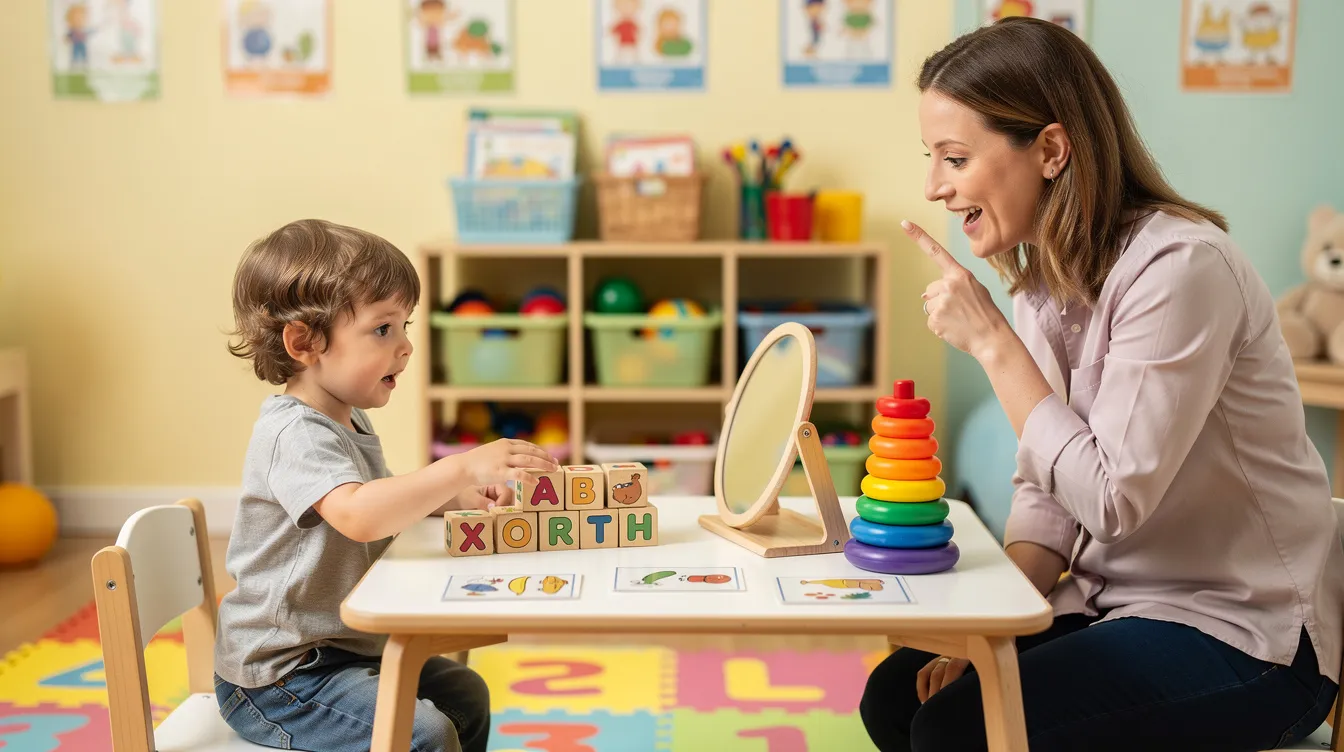
Understanding speech and language development is one of the most important things you can do as a parent. Whether you’re welcoming a baby in 2026 or watching your toddler grow, knowing what to expect—and when to seek help—can make all the difference. Early childhood is a critical period for speech and language growth, as experiences and biological factors during these years greatly influence a child’s development. Early recognition of symptoms and timely intervention by a qualified professional can support your child’s communication skills and overall development.
- The first three years (2026-2029 for babies born this year) are a golden window for speech and language growth, fueled by loving and rich caregiver interaction. Early speech and language development is critical because the first three years are a period of rapid brain growth.
- Children progress through well-established milestones from birth to five years, with natural variations in timing. In the pre-verbal stage (0–1 year), children go through stages including cooing, babbling, and responding to their name.
- Speech disorders, affecting sound production and fluency, are distinct from language disorders, which impact understanding and use of words and sentences.
- Early professional assessment is crucial if your child misses milestones or shows stalled progress. Professionals consider several factors when evaluating a child’s development and potential delays.
- Breakthrough research since 2015 has revolutionized early diagnosis and treatment, leading to better communication and learning outcomes for children.
- The first three years (2026-2029 for babies born this year) represent the most critical window for speech and language growth, driven by rich caregiver interaction.
- Children follow a predictable milestone path from birth to five years, though normal variation exists between individuals.
- Speech disorders (sound production and fluency) differ from language disorders (understanding and using words and sentences).
- Parents should seek professional assessment promptly if milestones are missed or skills seem to stall.
- Research since 2015 has transformed early diagnosis and therapy, improving long-term communication and learning outcomes.
How Speech and Language Develop
Speech and language emerge from the interplay of brain development, social interaction, and hearing, all of which influence a child’s ability to learn and communicate effectively. From the moment a baby is born, their brain begins building neural pathways for communication through every coo, cry, and cuddle.
The brain’s critical period for language development is strongest from birth to around three years and remains highly sensitive until about age five. During this window, toddlers often add dozens of new words weekly, particularly between 18-24 months when vocabulary growth explodes. By 18-24 months, children’s vocabulary typically expands to 50+ words and they start combining two words.
Early communication starts from day one. A newborn in 2026 quickly learns that crying brings milk, cuddles, and comfort. By 6-8 weeks, social smiling emerges, and by six months, babies can distinguish their native language sounds.
Daily exposure to talking, singing, reading, and responsive conversations matters far more than flashcards or screens. Daily interaction is the most effective way to foster communication skills. Studies show children in talk-rich homes have 30% larger vocabularies by kindergarten. Vocabulary and processing efficiency improve with more language exposure through interactive reading and conversations. For multilingual homes, rest assured: exposure to two or more languages from birth does not confuse children and supports long-term cognitive benefits.
The foundation for later language skills rests on hearing, attention, and social engagement. Simple activities like shared play, turn-taking games, and peek-a-boo build the prosody awareness essential for fluent communication. Talking frequently, reading daily, and encouraging pretend play are supportive strategies for language development.

Speech and Language Milestones from Birth to 5 Years
Key speech and language milestones follow a progression from babbling in infancy to using complex storytelling, such as telling a short story, by age 5.
The following timeline lists typical skills develop at each age. Reaching a milestone slightly earlier or later can still be normal—what matters is the overall pattern.
Birth to 3 Months:
- Startles to loud sounds
- Quiets when a parent speaks
- Coos (“oooh,” “aaah”)
- Different cries for hunger versus discomfort
- Social smiling by 6-8 weeks
4 to 6 Months:
- Follows sounds with eyes
- Turns toward new noises
- Enjoys musical toys
- Babbles with speech sounds like “p,” “b,” and “m”
- Laughs aloud and makes playful squeals
7 Months to 1 Year:
- Responds to own name
- Understands “no” and simple phrases
- Plays peek-a-boo and copies gestures (waving, clapping)
- Babbles strings like “bababa”
- Uses 1-2 clear words by 12 months
1 to 2 Years:
- Follows one-step instructions (“give me the car”)
- Points to pictures in books
- Gains new words every week
- Combines two-word phrases (“more milk,” “daddy go”)
- Uses words to ask for things instead of only crying
- Limited vocabulary at 24 months can be defined as having fewer than 50 words
2 to 3 Years:
- Uses two- to three-word sentences
- Names basic actions (run, eat, sleep)
- Understood by familiar adults most of the time
- Produces consonants like k, g, f, t, d, n
- Difficulties in being understood can occur if speech is unclear to familiar adults by age 3
3 to 4 Years:
- Answers simple “who/what/where/why” questions
- Talks about past and future events
- Uses longer sentences of 4+ words
- Understood by strangers much of the time
4 to 5 Years:
- Follows two-step directions
- Tells simple stories with beginning and end, including the ability to tell a short story
- Uses correct pronouns and plurals
- Knows some letters and numbers through play
- Pronounces most sounds clearly
- By age 5, children’s speech should be 100% understandable to strangers
If your child’s speech and language milestones show significant delays—no words by 18 months or limited phrases by three years—seek a professional assessment.
Speech Disorders vs Language Disorders
Understanding the difference between speech and language difficulties helps parents communicate concerns effectively with professionals.
Language disorders affect a child’s ability to understand what others say (receptive) or use words, grammar, and sentences to express ideas (expressive), even when hearing is normal. Developmental language disorder (DLD) affects 7-10% of children and is typically identified around ages 3-4. Language disorders are part of a broader category known as learning disorders, which also include difficulties with reading, writing, and math.
Speech sound disorders involve problems producing certain sounds—saying “tat” for “cat” past age four, for example—or having speech that’s hard to understand beyond expected ages. These affect 10-15% of children.
Fluency disorders like stuttering include repetitions (“b-b-ball”), prolongations (“ssssun”), or blocks. While occasional disfluencies in toddlers are normal, persistent or distressing stuttering warrants assessment.
Motor speech disorders, including childhood apraxia of speech, occur when children know what they want to say but struggle to coordinate mouth movements, leading to inconsistent errors.
Voice disorders involve chronic hoarseness, strain, or unusual pitch due to how the larynx is used or affected medically.
Speech and language disorders often co-occur in 50-70% of cases, so a full assessment examines both understanding and speaking. When diagnosing speech and language difficulties, several factors are considered, including developmental history, family background, and academic performance. Identifying special educational needs is also crucial, as early recognition and support can help ensure children receive the appropriate interventions and educational placement.
Autism Spectrum Disorder and Social Communication
Autism spectrum disorder (ASD) can have a significant impact on a child’s speech and language development, particularly in the area of social communication. Children with ASD may struggle to interpret social cues, initiate conversations, or maintain back-and-forth exchanges with others. These challenges can make it difficult for them to build friendships, participate in group activities at school, or express their needs and feelings effectively.
Early intervention is key for children with autism spectrum disorder. Speech and language therapists can work with your child to develop essential communication skills, such as understanding body language, using words to express emotions, and practicing conversational turn-taking. Structured support helps children with ASD learn how to engage in social interaction, both at home and in the classroom.
Parents play a vital role in supporting their child’s language development and social communication. Simple strategies—like modeling clear speech, encouraging eye contact, and creating opportunities for play with peers—can make a big difference. Reading simple stories together, practicing greetings, and using visual supports can also help your child understand and participate in everyday communication. With the right support and encouragement, children with ASD can make meaningful progress in their speech and language skills, setting the stage for success in school and beyond.
Attention Deficit Hyperactivity Disorder (ADHD) Considerations
Attention deficit hyperactivity disorder (ADHD) can present unique challenges for a child’s learning and communication. Children with ADHD often struggle with attention, impulse control, and staying on task, which can affect their ability to follow instructions, participate in conversations, and develop strong language skills. These symptoms may lead to difficulties in both academic and social settings, making it harder for children to keep up with their peers.
Early intervention is essential for children with ADHD. Parents and teachers can support a child’s development by breaking tasks into manageable steps, providing clear and consistent routines, and offering frequent positive feedback. Creating a structured environment helps children focus and reduces frustration, making it easier for them to build important skills.
Support from professionals, such as behavioral therapists or speech and language specialists, can help children with ADHD manage their symptoms and improve their communication abilities. Parents can also encourage their child by celebrating small successes and maintaining open communication with teachers and healthcare providers. With the right support and early intervention, children with ADHD can develop the skills they need to succeed in school and build positive relationships.
When to Be Concerned and What to Do
Normal variation exists in child development, but certain red flags should prompt action:
- No response to loud sounds by 2 months
- No babbling by 7-8 months
- No babbling or gesturing by 12 months
- No single words by 16-18 months
- Fewer than 50 words or no two-word combinations by 2 years
- Fewer than 50 words by age two
- Very unclear speech after age 3
- Loss of previously gained words or social skills at any age
Start by speaking with your child’s pediatrician, who can check hearing, general development, and refer onward if needed. A hearing test by an audiologist is essential—even mild hearing loss from frequent ear infections can delay speech.
A speech therapist assesses understanding, vocabulary, grammar, and social communication through age-appropriate games. Speech therapists may also provide guidance to parents on how to support their child’s speech and language development at home. By 2026, many countries offer early intervention programmes for children aged 0-6, often subsidised when delays are identified.
Early intervention typically leads to better outcomes. Research shows starting therapy before age three can produce 6-12 month developmental gains and prevent 50% of school learning and social risks. Delays in speech language development can impact a child’s learning and social participation, so timely support is crucial.
For complex profiles involving suspected autism spectrum disorder, attention deficit hyperactivity disorder, or other issues, a developmental paediatrician or clinical psychologist may provide additional support for a clear diagnosis.
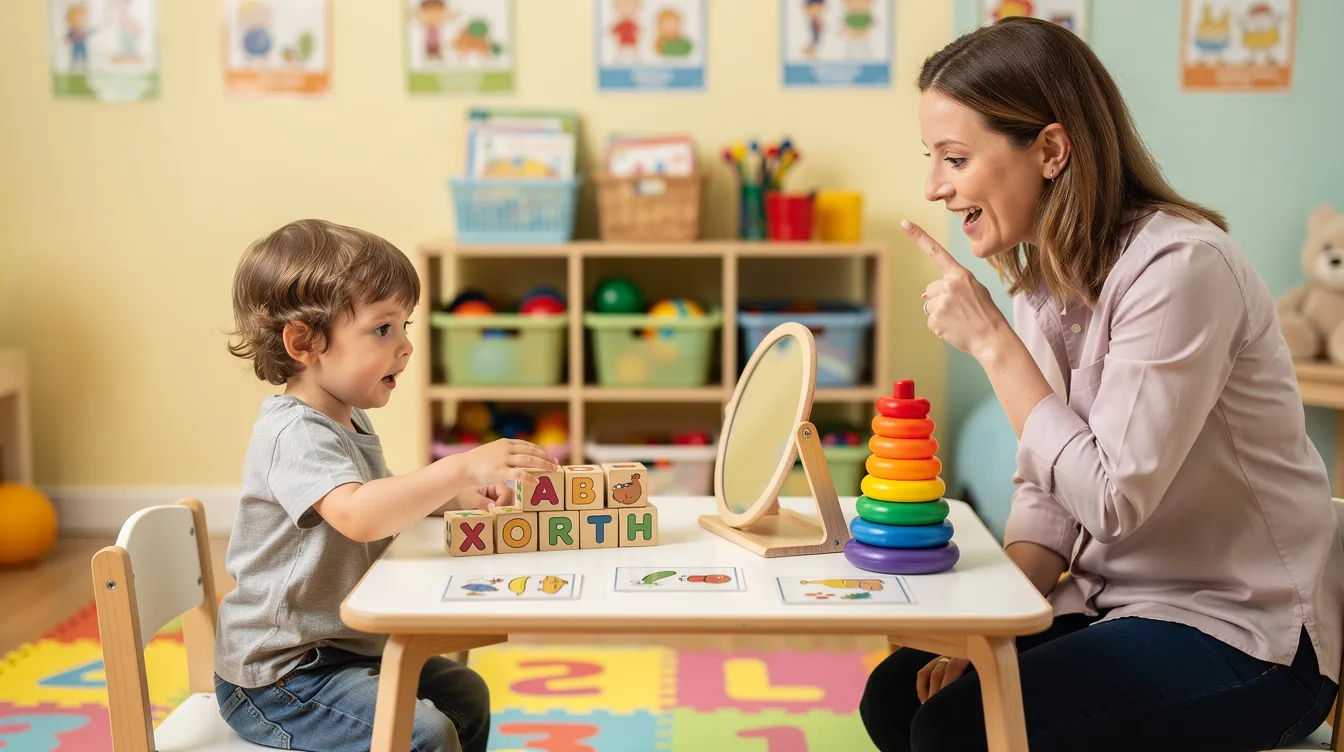
Supporting Speech and Language at Home
Your everyday interactions during daily routines—mealtime, bath time, playground visits—are powerful tools for boosting your child’s learning and language skills.
Practical strategies:
- Talk face-to-face and narrate activities (“now we’re putting on your shoes”)
- Encourage your child to talk about their day at daycare, preschool, or with friends. Ask about what they did, who they played with, and how they felt. This supports your child’s ability to describe daily activities and social interactions, which is important for speech language development.
- Follow your child’s lead in play rather than drilling questions
- Use “serve and return”: when your child makes a sound or gesture, respond by imitating and expanding
- Read aloud daily, pointing, labeling, and pausing for your child to comment
- Sing nursery rhymes with matching gestures to build rhythm and memory
For screen time, live interaction benefits toddlers under two far more than passive videos. Older preschoolers should use screens with an engaged adult.
Multilingual families thrive when each caregiver confidently uses the language they’re most comfortable in. This approach supports natural writing, speaking, and communication development without confusion.
Create a communication-friendly environment by minimising background TV noise, giving children extra time to respond, avoiding constant correction, and praising all attempts to communicate.
Managing Learning Disabilities and Disorders
Learning disabilities and disorders, such as dyslexia, dysgraphia, and dyscalculia, can affect a child’s ability to read, write, or understand mathematical concepts. These challenges often go hand-in-hand with speech and language difficulties, making it important to provide targeted support both at home and in school. Children with learning disabilities may need additional support to reach their full potential, but with the right strategies, they can thrive academically and socially.
A collaborative approach is key. Parents, teachers, and healthcare professionals can work together to create individualized education plans (IEPs) that address each child’s unique needs. Speech and language therapy can help children develop stronger communication skills, while accommodations like extra time on tests or the use of visual aids can support learning in the classroom.
At home, parents can foster a supportive environment by encouraging open communication, helping with homework, and building self-esteem through praise and positive reinforcement. Connecting with resources such as the dyslexia association or local social service agencies can provide valuable guidance and additional support. By working as a team, families and professionals can help children with learning disabilities overcome challenges, build confidence, and achieve success in school and beyond.
Research and Future Directions in Speech Language Development
Since around 2015, longitudinal studies tracking thousands of children have transformed our understanding of language development. Researchers can now identify early markers—like poor gesture use at 14 months—that predict 70% of later developmental language disorder cases.
Genetic findings link specific conditions to variants in genes like FOXP2 and CNTNAP2, though no single gene explains all language difficulties. Brain imaging research explores how early hearing loss reshapes language networks and how cochlear implants before age two can yield near-peer outcomes.
Digital tools expanded rapidly after 2020, with telepractice (online speech therapy) increasing rural access threefold. Language-tracking apps now help parents monitor progress. These advances also benefit children with physical impairments who may have difficulty accessing in-person services.
The evidence is clear: early identification plus evidence-based support significantly improves school readiness, literacy, and social participation for children with speech and language challenges. Early identification and support are especially important for children with special educational needs.
FAQ
Is my child just a “late talker,” or should I be concerned?
Some children with limited words at 18-24 months catch up by age three, but others have underlying language disorders. Risk signs include poor understanding, limited gestures, or family history of learning disabilities. If your two-year-old has fewer than 50 words or no two-word phrases, seek a professional speech and hearing evaluation rather than waiting.
Does learning two languages at once delay speech?
Research shows simultaneous exposure to two languages from birth does not cause speech or language disorders. Vocabulary in each language may be smaller initially when counted separately, but total vocabulary remains comparable. Focus on rich interaction in both languages and seek help only if your child struggles in all languages.
Can ear infections affect my child’s speech and language?
Frequent middle ear infections between six months and three years can temporarily reduce hearing by 25 dB on average, impacting speech sound learning and word growth. Consult a doctor if your child has repeated infections, seems not to hear well, or turns up TV volume. Hearing tests are safe and straightforward.
How often does a child need speech therapy to make progress?
Frequency depends on age, severity, and local service models. Many preschoolers attend weekly or fortnightly sessions combined with daily home practice. Caregiver involvement between sessions—using therapist-taught strategies—is usually more important for progress than clinic hours alone.
Will my child with a speech or language disorder struggle in school later on?
Some children outgrow early delays, while others need additional support with reading, written expression, and classroom learning, particularly if difficulties persist into school years. Early intervention, collaboration with teachers, and special educational supports when needed can greatly improve outcomes, helping many children participate successfully in mainstream schools.
Comments are closed