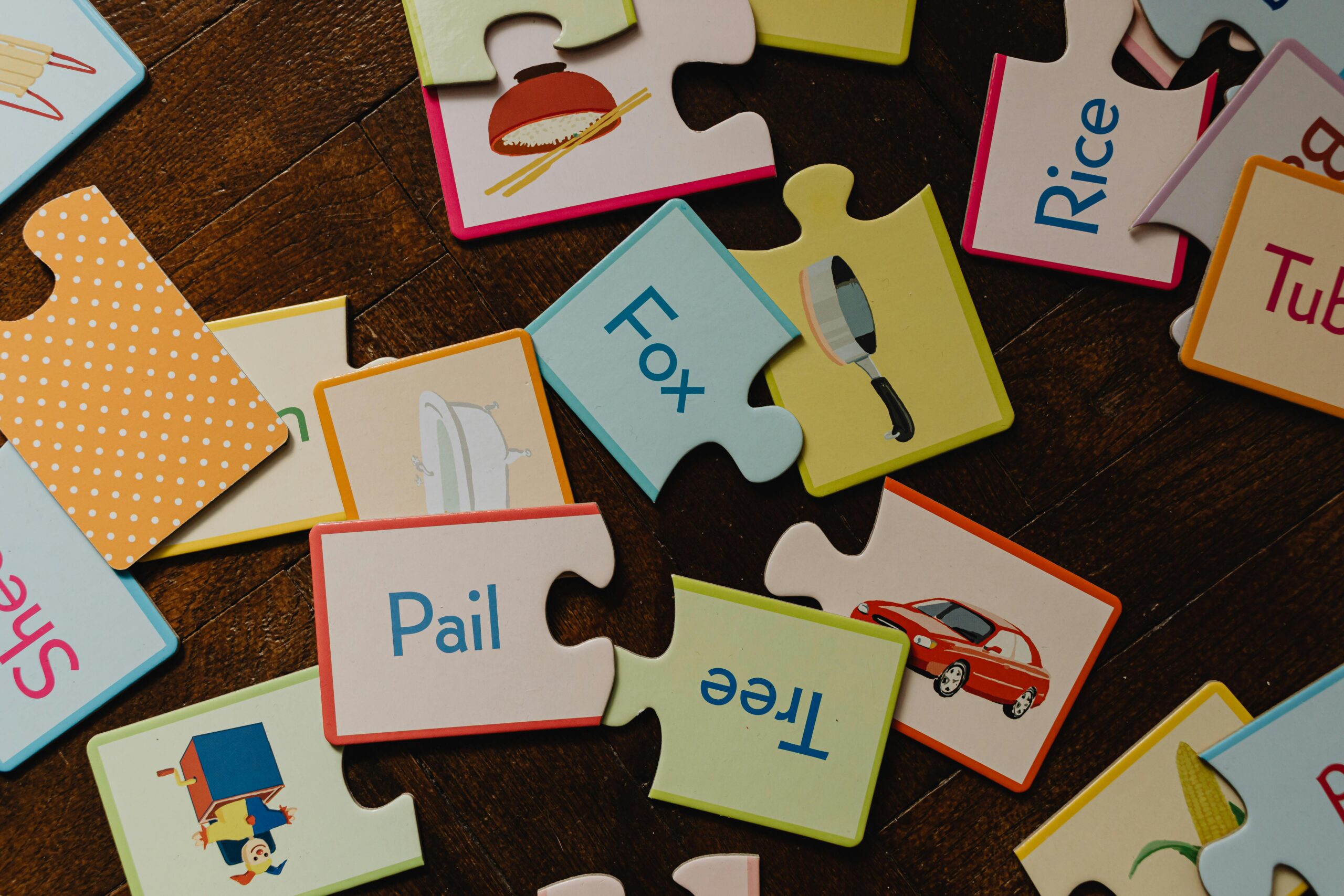
Language is the foundation of learning. Early childhood is a critical period for language acquisition and speech and language development, as children rapidly build foundational skills during this time. The words children hear, understand, and use shape how they think, communicate, and make sense of the world around them. Research on vocabulary development in children covers a broad range of topics, including early childhood milestones, speech and language development, genetic research, brain plasticity, and autism spectrum disorder. One of the most effective ways to expand a child’s vocabulary and language skills is through regular exposure to reading and rich conversation. The first three years of a child’s life are the most intensive period for acquiring speech and language skills.
The first signs of communication occur when an infant learns that a cry will bring food, comfort, and companionship. By 6 months of age, most babies recognize the basic sounds of their native language.
When children are introduced to a wide range of words early in life, they develop stronger cognitive abilities, better academic readiness, and greater confidence in expressing their thoughts, shaping their entire child’s life.
How Reading Expands Vocabulary
Books expose children to words and expressions that may not come up in everyday conversation. While daily speech often relies on simple, familiar language, stories introduce:
Reading time, especially when parents or caregivers read books aloud to children, is essential for vocabulary development and helps foster a love of reading.
- Descriptive vocabulary
- Complex sentence structures
- New concepts and ideas
- Emotional and abstract language
- Literacy skills
Reading aloud to children exposes them to new vocabulary, sentence structures, and storytelling techniques.
Through repeated exposure, children begin to recognise, understand, and eventually use these words naturally in their own speech. For example, during story time, introducing new vocabulary within the context of a story supports literacy skills and helps children connect words to meaning.
A practical example of a vocabulary-building activity is the “word of the day challenge,” where a new word is introduced each day. This encourages children to learn and use new vocabulary regularly, further enhancing their language development.
Expressing Ideas More Clearly
A strong vocabulary allows children to communicate their thoughts, needs, and emotions more precisely. Encouraging your child to speak and express themselves helps develop their language skills and builds confidence in communication. Instead of relying on gestures or simple phrases, children with richer language skills can:
- Explain what they are thinking
- Describe experiences in detail
- Ask meaningful questions
- Share opinions and ideas
Acting out scenes is a fun way to help children improve their language and communication skills by encouraging them to use new words and practice storytelling. Playing word association games can also boost your child’s vocabulary while making learning enjoyable.
Clear expression reduces frustration and supports positive social interactions, so it’s important to support your child’s language skills through encouragement and interactive activities.
Understanding Complex Concepts
Words are tools for thinking. The more words children know, the better they can understand complex ideas. Strong listening skills are essential for helping a child understand spoken language and complex concepts.
Reading helps children grasp concepts related to:
- Time (before, after, eventually)
- Emotions (disappointed, excited, nervous)
- Cause and effect
- Problem-solving and reasoning
- Remember details
This deeper understanding supports learning across subjects such as maths, science, and social studies. Children must be exposed to new words multiple times and in different contexts to fully understand their meaning.
Building Grammar and Sentence Structure
Listening to well-written stories helps children internalise correct grammar and sentence patterns. Over time, they learn:
- How sentences are formed
- How ideas connect within a sentence
- How to use tenses, plurals, and descriptive language
These skills develop naturally through repeated exposure, without the need for formal instruction in early years.
Communicating Effectively With Others
Strong language skills help children interact confidently with both peers and adults. Daily routines provide opportunities to build a child’s vocabulary. Children with expanded vocabularies are better able to:
- Participate in conversations
- Take turns speaking and listening
- Understand instructions
- Navigate social situations
- Succeed and participate fully throughout their school years, as strong language skills support academic and social development
Effective communication supports friendships, classroom participation, and emotional regulation. Improving receptive language skills allows a child to fully and independently participate in their daily activities.
Receptive and Expressive Language: Both Matter
Early exposure to rich language strengthens both:
- Receptive language — the ability to understand words and meaning
- Expressive language — the ability to use words to communicate
Many parents face challenges in supporting their child’s development of receptive and expressive language skills, often due to time constraints or uncertainty about effective strategies.
A child’s ability to understand and use language is influenced by meaningful context and daily experiences. When children are surrounded by language opportunities that relate to their everyday routines, they are more likely to grasp and retain new vocabulary.
Reading aloud, storytelling, and conversation help develop both skills simultaneously, laying the groundwork for literacy and academic success.
Children learn language best when it is introduced in a meaningful context, such as during play or familiar routines. Encouraging play-based learning allows children to practice language skills in a fun and interactive way, helping them experiment with language and build confidence in communication.
Children who have trouble understanding what others say may have a receptive language disorder, while those who have difficulty sharing their thoughts may have an expressive language disorder. A speech-language pathologist can evaluate and treat children with speech or language disorders, supporting their speech development as a key part of a child’s overall development.
Understanding Language Disorders
Language disorders can have a significant impact on a child’s language development, making it harder for them to communicate their thoughts, feelings, and needs. These challenges can be related to receptive language, where a child finds it difficult to understand what others are saying, or expressive language, where expressing ideas through speech or writing is a struggle. Recognizing the difference between receptive and expressive language is key to understanding how a language disorder may affect your child’s ability to learn and interact.
Children with language disorders might have trouble following simple instructions, remembering details from stories, or naming objects during everyday routines. These difficulties can slow vocabulary growth and make it harder for children to participate in conversations, describe objects, or share their own stories. As a result, their communication skills and confidence may be affected, both at home and in school.
A speech-language pathologist plays a critical role in identifying and supporting children with language disorders. These professionals can assess your child’s language skills, provide targeted strategies, and work with your family to encourage language development in a supportive environment. Early intervention can make a big difference in helping children develop a rich vocabulary, good reading habits, and effective communication skills.
At home, parents and family members can help their child by creating a print-rich environment filled with age-appropriate books, labels, and opportunities to read and write. Engaging in regular conversations, asking open-ended questions, and encouraging your child to describe objects or events in their own words can all support language growth. Positive reinforcement—such as praise and encouragement—helps build your child’s confidence and motivation to communicate.
Everyday routines, like meal times, car rides, or bedtime, offer valuable chances to practice language skills. Naming objects, following simple instructions, and retelling stories are all fun ways to help your child expand their vocabulary and strengthen their language skills. Remember, play is a powerful tool for learning—using games, songs, and imaginative play can make language development enjoyable and meaningful.
Supporting Language Growth at Home
Parents and caregivers can encourage vocabulary development by:
- Reading aloud daily
Reading books in other languages, such as Korean, Japanese, Mandarin, Spanish, and other languages, can support multilingual development and prepare children for a globalized world. - Discussing stories and asking open-ended questions
Engaging in talk and conversation during these activities is crucial; use clear, adult speech with proper enunciation rather than baby talk to help children acquire a richer vocabulary and stronger language skills. - Introducing new words in context
- Encouraging children to retell stories in their own words
- Modelling rich and varied language during everyday activities
Creating a print-rich environment at home, such as displaying books, labels, and written materials, supports language development. A supportive environment allows children to experiment with words and sounds more freely. Establishing family literacy routines, like shared reading or storytelling, shows children that they are valued and encourages a love of language.
Even short daily reading sessions can significantly enhance language and cognitive development.
Expanding vocabulary is not just about learning more words — it’s about strengthening how children think, learn, and connect with others. Through reading, encouraging children to create their own stories, and providing positive reinforcement for using new words and language skills, children develop the tools they need to express ideas clearly, understand complex concepts, and communicate confidently. These early language skills form the foundation for lifelong learning and cognitive growth
Comments are closed