-
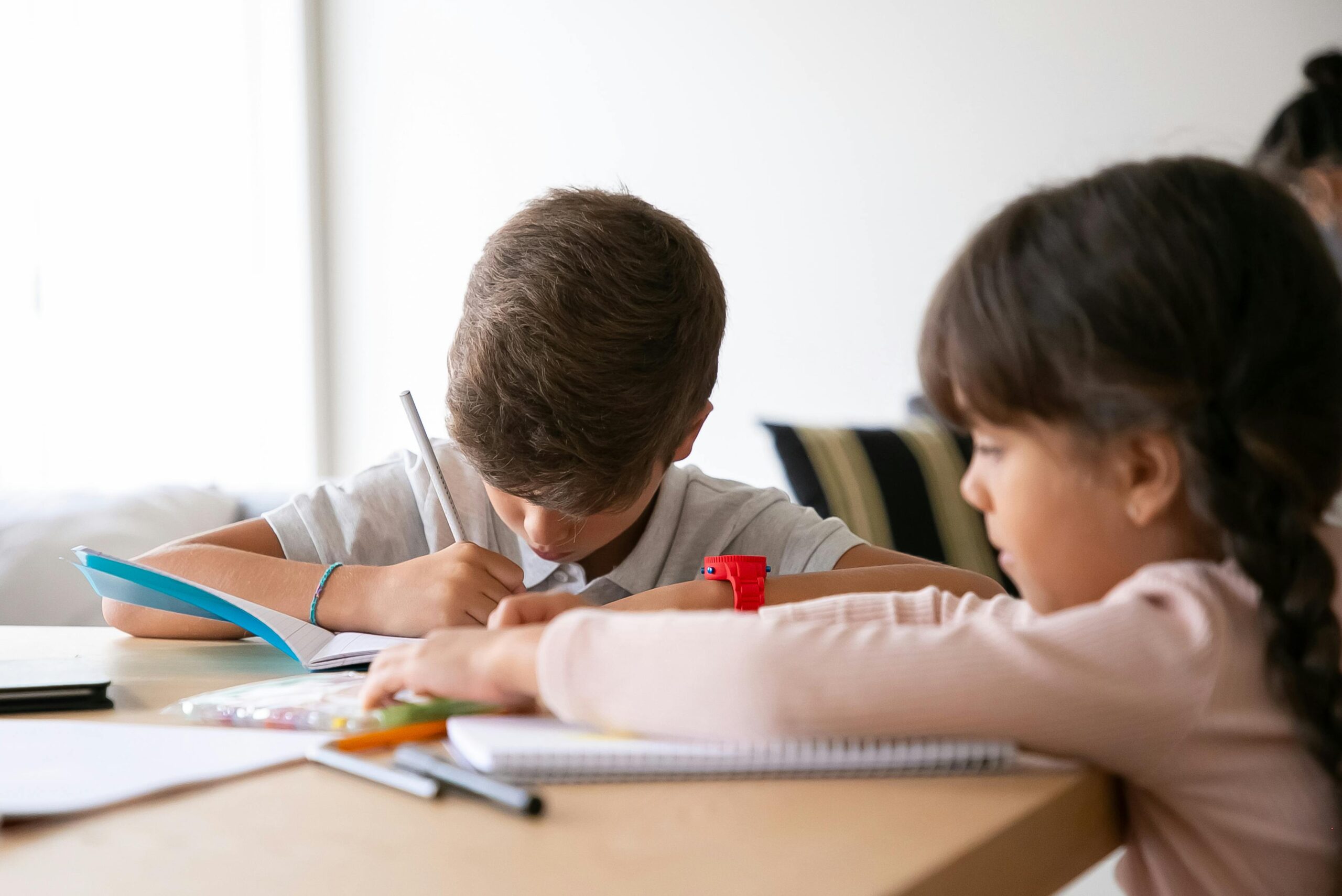
Reducing Anxiety in Learning Through AI in Education-Based Support in Singapore
Learning Anxiety in Singapore’s High-Pressure Education System Picture a Primary 6 student in Singapore, three months before PSLE. Between school, CCA commitments, and tuition classes, she barely has time to breathe. The fear of disappointing her parents, falling behind her peers, or not making it to her preferred secondary school keeps her awake at night.…
-

Tips to Reduce Therapy Costs Without Compromising Quality
Supporting a child through therapy—whether for speech, learning, behavioural, or developmental needs—is one of the most meaningful investments a family can make. However, the reality is that therapy costs can become a long-term financial commitment, especially when sessions are frequent and ongoing. Many parents face the same dilemma: How can we continue providing the best…
-
Therapy and Tuition Singapore: How to Plan Your Budget Wisely
The Growing Reality for Families in Singapore In Singapore’s fast-paced and academically driven environment, it’s increasingly common for children to receive both therapy and tuition. Parents want to give their children the best possible support—whether that means strengthening academic performance or addressing developmental challenges such as speech delays, learning difficulties, or attention issues. Many students…
-
Monthly budgeting for your child’s therapy sessions in Singapore
Why Budgeting Matters When a child requires therapy for learning or developmental challenges, the focus is naturally on getting the right support. In Singapore, many families turn to services such as speech therapy, occupational therapy, educational therapy, or psychological support to help their children build important skills. While these services can be incredibly beneficial, they…
-
Breaking Down the Costs: Occupational, Speech, and Behavioural Therapy in Singapore
In Singapore, occupational therapy (OT), speech therapy (ST), and behavioural therapy (BT) are key services supporting children and adults with developmental, learning, and emotional regulation needs. These therapies help individuals improve daily functioning, communication, and social participation. However, therapy can be costly, especially when long-term or intensive support is required. Families often face challenges understanding…
-
A Comprehensive Look at the Financial Investment in Therapy for Learning Difficulties in Singapore
The Reality Behind Seeking Support When a child faces persistent challenges with skills like reading, attention, or language, families in Singapore often confront complex issues that extend beyond the classroom. The journey involves not just identifying the necessary support but also navigating the practical realities of time commitment, consistency, and, critically, long-term financial planning. Therapy…
-
AI in Special Education: How It Supports Teachers and Therapists Working with Children with Difficulties
Teachers and therapists who support children with learning, developmental, or behavioural difficulties carry a dual responsibility. They must deliver high-quality, individualised intervention while also managing extensive documentation, progress tracking, and administrative tasks. Special education teachers, in particular, face significant paperwork and documentation demands. As caseloads grow and expectations increase, time spent on paperwork can limit…
-
Using AI in Speech Therapy: Supporting Speech and Language Development
Speech and language skills are essential for communication, learning, and social interaction. Monitoring a child’s speech and language milestones, such as when they begin to use one or two words, is important for identifying typical development and potential concerns. For children with speech delays, language disorders, or communication difficulties, regular practice and early support are…
-
Children, AI, and Learning: Why the Concern Is Real — and How AI Can Be Used Wisely
Artificial Intelligence (AI) is no longer a futuristic concept limited to science fiction. In Singapore, AI is increasingly embedded in children’s daily lives through educational platforms, language-learning apps, smart devices, and digital homework tools. Schools are also beginning to explore AI-enabled systems for personalised learning and administrative support. As AI becomes more visible in learning…
-
Visual Learning and AI: Helping Children Who Learn Differently
Every child learns differently. There are different learning styles, and understanding these learning styles—such as visual, auditory, and kinesthetic learning—is essential because students have varied preferences for how they process information. Each student’s learning style can significantly impact their educational experience, and the VAK model of learning, popularized by Neil D. Fleming, categorizes these styles…