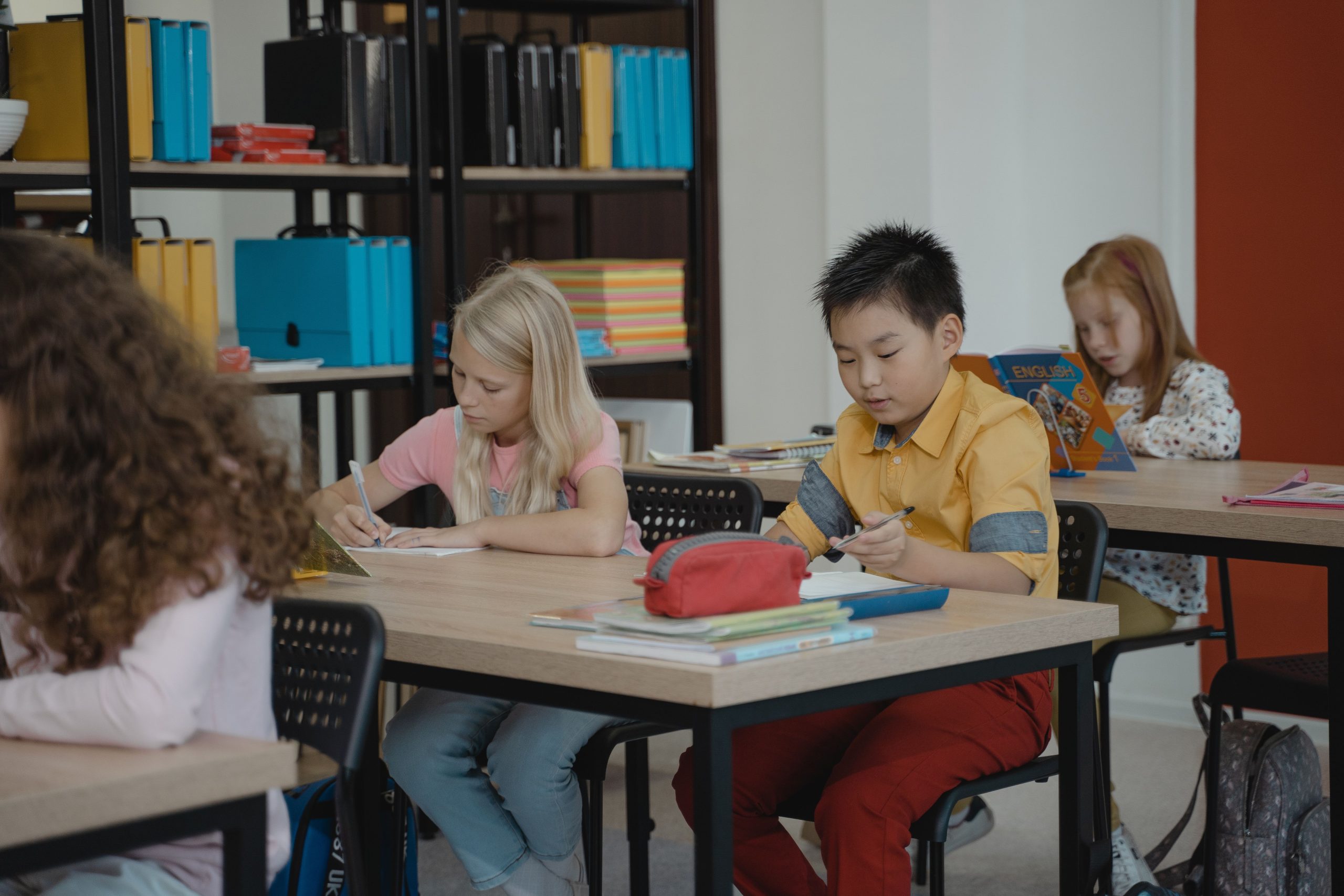
Key Takeaways
- Self-confidence is the number one driver of academic achievement, and confidence is the number one predictor of academic achievement – yet many children silently lose both between P2 and P6 in Singapore.
- Most children do not simply lack confidence or become lazy. Their self confidence erodes after repeated “high effort, low results” cycles in the learning process, often driven by hidden working memory, processing speed, or attention tracking gaps.
- Extra tuition and drilling frequently worsen the problem when underlying executive functioning and cognitive delivery systems remain unaddressed.
- Bright students can struggle invisibly until curriculum demands spike – P3 Science, Maths heuristics, PSLE preparation – then confidence drops sharply.
- With process-based support, a child’s confidence and motivation can be rebuilt step by step, restoring the joy of learning.
Introduction: The Downward Spiral of “High Effort, Low Results”
Picture an 8-year-old in P2 who races through library books and begs for bedtime stories. By P4, she dreads Maths, avoids weekly spelling tests, and quietly tells her mother, “I’m stupid.” Children often lose confidence in school after repeated experiences of high effort but low results; as that pattern continues, some withdraw while others become anxious, and negative experiences – red marks, failed topical tests, scoldings for “careless” work – can lower children’s confidence and self-esteem with alarming speed.
This child is not lazy. She finishes homework, attends tuition, revises spelling lists nightly. Yet results stay flat. The real issue is chronic cognitive friction: a constant sense that “learning feels harder for me than for my friends,” often driven by hidden bottlenecks such as working memory strain, slow processing speed, or executive functioning gaps, even when the child is intelligent and motivated. Loss of school confidence is a predictable psychological reaction to repeated cognitive overload – not a character flaw, bad attitude, or poor parenting.
For parents, educators, and specialists supporting children in school – especially in Singapore’s high-pressure academic environment – this matters because confidence is closely tied to achievement, motivation, and mental health. The sections that follow trace the common pattern of confidence loss, show how school demands and teaching practices can intensify it, explain why extra tuition does not always fix the problem, and outline how to spot deeper learning needs, rebuild academic self-efficacy, and work with schools and specialists before frustration hardens into learned helplessness.
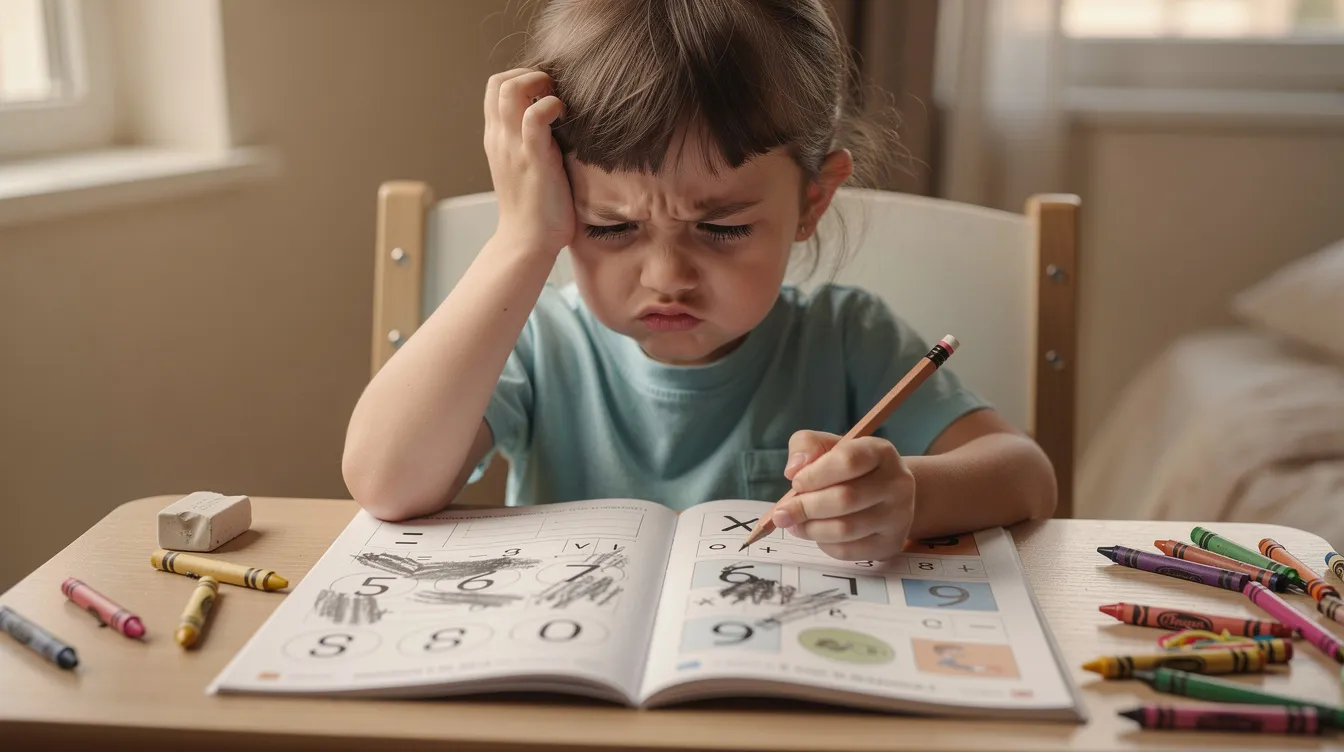
How School Confidence Typically Erodes in Singapore Classrooms
The pattern often follows a familiar arc across the school year. In P1–P2, kids feel curious and eager. Around P3–P4, when problem sums, Science concepts, and composition writing appear, gaps begin to manifest. By P5–P6 or Sec 1, older students may refuse to attempt harder questions entirely. Transitions like moving to a new school can disrupt a child’s comfort zone and accelerate the slide.
Observable signs that children begin to lack confidence include:
- Avoiding homework or crying over small mistakes
- Answering “I don’t know” even when they do know
- Copying friends’ work or withdrawing during group work
- Stomach aches on test mornings
The teacher-student relationship can impact a child’s confidence profoundly. Teachers have an important role in influencing a child’s perception of their abilities – comments like “your brother did better” or whole-class score announcements layer into a narrative: “No matter what I do, I cannot catch up.” Confidence levels can change from day to day in children, but when academic struggles make a child feel inadequate compared to peers week after week, the damage compounds.
Unpacking the Hidden Cognitive Drivers of Confidence Loss in the Learning Process
Neurodevelopmental differences are often invisible. These children may seem chatty, creative, and socially confident, yet struggle silently with how information is processed.
The “High Effort, Low Results” trap. A child revises spelling nightly but forgets four words in the test. She practises Maths but loses marks to “careless” errors. Negative feedback can reinforce a child’s self-limiting beliefs, and without specific feedback to help children understand their strengths and areas for improvement, frustration deepens.
Working memory bottlenecks. Difficulty holding multiple steps in mind – long division, multi-step word problems, three-part instructions – leads to incomplete work. A study of 2,527 Singaporean preschoolers found working memory at ages 3–6 predicted reading and maths achievement two years later, regardless of ethnicity.
Processing speed and attention gaps. Slower copying from the board, falling behind during note-taking, losing place while reading. In a clinical study of 751 youth, slow processing speed predicted reading, maths, and writing difficulties beyond what IQ alone explained.
Executive functioning challenges. Trouble starting work, planning a big project, or organising files leads to repeated scoldings for “forgetfulness.” Emotional difficulties can affect a child’s academic performance, and recognising different abilities and learning styles is essential for effective teaching. Challenging tasks should be broken into smaller, manageable steps for children who struggle with planning.
Visual and auditory processing differences – words “jumping” on the page, mishearing oral instructions – are rarely spotted without specialist assessment. Some children in special education settings show these patterns early, while many mainstream students remain undetected until PSLE or Sec 1.
Public Comparison, Shame, and Learned Helplessness
Learned helplessness occurs when, after many failed attempts, a child decides: “There is no point trying; I will fail anyway.” A longitudinal study found helplessness steadily increases through adolescence, worsened by controlling parenting and academic pressure.
Classroom practices that deepen shame include whole-class result announcements, public praise for “fast finishers,” and phrases like “So simple also cannot do?” Social dynamics such as bullying can severely damage a child’s sense of belonging, and self-esteem in children can be influenced by peer dynamics. Children need to feel accepted and respected by their peers to build confidence, and difficulties in making friends can contribute to academic struggles. Building an inclusive classroom culture helps in reducing the chances of bullying, while structured peer interactions improve student self-confidence and performance.
The cycle runs like this: child works hard → still gets low marks → is scolded → feels defective → avoids work → adults perceive avoidance as laziness → pressure increases. By upper primary, this can manifest as talking back, clowning around, or skipping homework – protective responses to chronic shame. As one student put it: “I purposely don’t study, then if I fail it’s not so pain.”
Why Extra Tuition and Pressure Often Accelerate the Loss of Confidence
Many parents enrol a P5 child in three tuition centres plus school remedial, yet results hover around 50–60. Unrealistic expectations from parents or teachers can create anxiety over mistakes, leaving children anxious about getting things wrong, and when the cognitive delivery system is overloaded, more worksheets confirm the belief “I’m just not smart enough.”
Understanding the difference between learning difficulties and laziness is critical. Standard tuition assumes the child can take in and manipulate information at the same pace as peers – it rarely rebuilds underlying skills like sequencing and concept mapping. This is precisely why tuition doesn’t help some children whose executive functioning or memory bottlenecks remain untouched.
The emotional message children receive is: “You are still not good enough.” A 2025 study found valued children do better in life – conversely, kids who feel broken withdraw further. Yet positive experiences can significantly boost children’s confidence when we match challenge to capacity.

Recognising When a Child’s Confidence Loss Signals Deeper Learning Needs
A temporary dip around exams is normal – anxiety is a normal reaction to stress but can become a disorder. Concern rises when negative self-talk lasts beyond one school term. Common anxiety disorders in children include social and separation anxiety, and parents with anxiety may have children who also experience anxiety. Severe anxiety can lead to school avoidance in children, and anxiety can affect everyday life activities like going to school.
Warning signs to identify:
- Frequent “stomach aches” on test days or feeling fearful before quizzes
- Consistent blank answers despite practice
- Strong verbal ability but weak written output
- Saying “I’m dumb” repeatedly over weeks
Confident students perform better on exams, especially in maths, and students with higher self-belief are less afraid of failing – so when belief collapses, achievement follows. If you notice a persistent mismatch between effort and outcome for six months or more, seek a structured evaluation by a clinical educational psychologist rather than adding more tuition. Track scores, error types, and homework duration so you can describe the pattern accurately to specialists.
Rebuilding Academic Self-Efficacy: Process-Based Intervention for Executive Functioning
Self-efficacy is a child’s belief that “If I use the right strategies, I can improve.” This belief can be rebuilt – even after years of low confidence. Focusing on effort and improvement fosters a growth mindset in children, and creating a classroom where mistakes are part of learning encourages participation. Normalising mistakes helps children see errors as a natural part of learning.
Practical strategies for families and educators:
- Process-based validation: Instead of “Great marks!”, say “You tracked every step in that problem accurately.” Feedback should be specific.
- Externalise executive load: Use visual schedules, colour-coded files, checklists, timers for short focus sprints, and breathing techniques before tricky situations like tests.
- Cognitive retraining: Strengthen working memory, attention tracking, and problem-solving stamina through targeted focus & attention support rather than more content revision.
- At-home “win tasks”: Daily 10–15 minute tasks that are slightly challenging but achievable – for example, chunking one P5 problem sum with visualisation rather than rushing through ten.
- Safe communication: Creating a safe communication space supports children in expressing frustrations without fear of judgement.
Children benefit from experiencing manageable difficulties when supported by committed adults. Confidence grows when children learn to handle challenge safely instead of being shielded from every possible danger. Cognitive behavioural therapy is an effective treatment for childhood anxiety when emotional barriers are significant. A specialised learning intervention programme targets how the child learns – memory strategies, planning, self-monitoring – not just what they learn.
Partnering with Schools and Specialists in Singapore
Start a calm conversation with form teachers, Learning Support Coordinators, or School Counsellors. Ask for observations of classroom behaviour, typical error patterns, and existing support like remedial lessons or access arrangements.
A clinical educational psychologist can assess the child’s cognitive profile – working memory, processing speed, phonological skills, executive functioning – and plan around the child’s strengths. Consistency matters: when school, home, and specialist use the same tools and language, the child feels safer to act on challenge. Fostering social connections and friendships outside of academic settings can also help build confidence, and encourage creativity and interests beyond the classroom to discover new strengths. For some children, a special education pathway or blended support can protect confidence rather than undermine it. Monitor emotional wellbeing as closely as grades – watch for school refusal, sleep trouble, or persistent tearfulness.
Conclusion: Restoring the Joy of Learning
Children lose confidence in school not because they are weak or lazy, but because their brains are working extremely hard in a learning process not yet matched to their cognitive profile. Confidence is not a fixed trait – it is rebuilt when we reduce chronic cognitive friction, honour the child’s nature and ability, and teach strategies that work for their world.
The goal is not to fix grades quickly. It is to make learning feel safe, understandable, and doable again. When you begin to understand the real source of the struggle, you take the first powerful step toward helping your child feel capable, motivated, and proud in school once more. That person – your child – is not broken. They simply need the right resources and the right plan to achieve and succeed on their own terms.
Frequently Asked Questions
How do I tell if my child is just going through a phase or truly losing confidence?
Short-term frustration around tests is common – but if negative self-talk (“I can’t do anything right”) and avoidance of responsibility for schoolwork persist beyond one school term, that is a red flag. Look for patterns across settings: reluctance to go to school, frequent headaches, sudden drops in participation. Keep a brief log over 6–8 weeks to discover whether this is a passing wobble or a steady downward trend in the child’s confidence and motivation.
Can a confident child still have hidden learning difficulties?
Yes. Many bright, articulate kids mask their struggle with humour or over-preparing, so they appear confident socially while secretly doubting themselves. Signs include a large gap between oral contributions and written exam scores, or extreme perfectionism. Being talkative and having friends does not necessarily rule out cognitive processing differences – encourage educators and parents to look beyond the surface.
What should I say to my child when marks are poor but they tried hard?
Avoid generic praise alone. Pair empathy with specific process feedback: “I saw you planned your answers and checked them – that shows strong focus and commitment.” Separate identity from performance: “This result tells us about the strategies we used, not about your intelligence.” Then jointly identify one concrete strategy to try next time, so the child leaves the conversation feeling hopeful rather than ashamed. Accept that the course of progress takes time.
When is the right time to seek a professional learning assessment?
Consider assessment when there is a persistent mismatch between effort and outcome for at least six months, especially around key transition years (P3, P5, Sec 1). Triggers include repeated teacher comments about carelessness despite hard work, widening gaps between subjects, and strong verbal ability contrasted with weak written output. Earlier assessment gives more time to develop skills before high-stakes exams, but it is never too late to help older students or teens in the community.
Will focusing on confidence mean lowering academic expectations?
Not at all. Supporting confidence means matching task demands to current cognitive capacity so the child can experience genuine success. Scaffolding – breaking tasks into steps, providing models, using visual aids – allows children to access the same curriculum more independently over time. In practice, well-supported students often end up achieving more academically because they are no longer blocked by fear, stress, or chronic overwhelm in their education.
Comments are closed