Key Takeaways
- A child who can focus for two hours on Minecraft, Roblox, or Lego but melts down over a 20-minute Math worksheet is not lazy – their brain is processing two fundamentally different types of demand.
- High-stimulation play floods the brain with dopamine and supports automatic engagement, while low-stimulation schoolwork relies heavily on executive functioning and self regulation.
- In Singapore’s exam-heavy system – P3 Science open-ended questions, heuristic Math, long composition writing – these differences show up strongly and can mimic “poor attitude”.
- Emotional regulation, attention stamina, and cognitive foundations are trainable through process-based supports, not simply more tuition or drilling.
- Children may focus better during play than academic tasks due to different attention demands, and understanding this difference is the first step towards meaningful support.
Introduction: The “Play vs. Homework” Focus Paradox
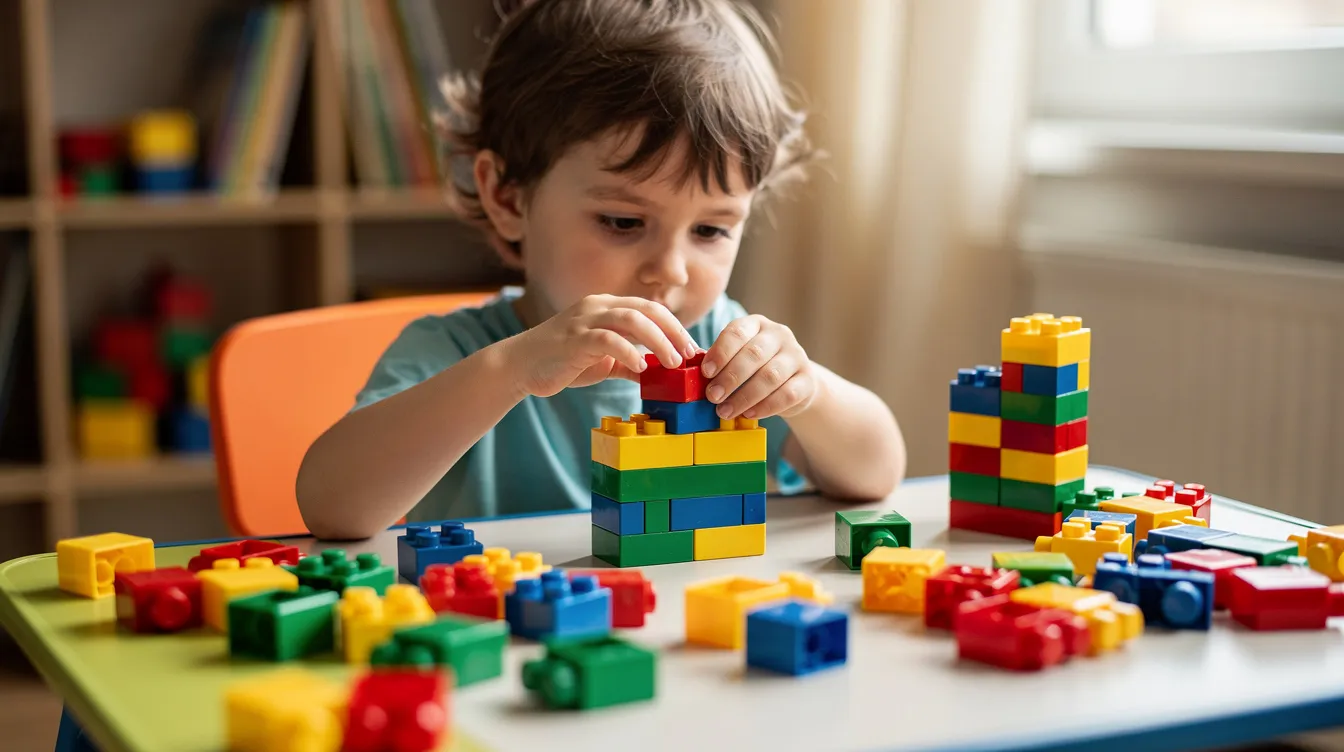
Picture a Primary 3 child in Singapore. On a Saturday afternoon, he builds an intricate Lego Technic set for 90 minutes without looking up once. He follows multi-step instructions, troubleshoots when pieces don’t fit, and stays completely absorbed. Two hours later, the same child is in tears after eight minutes of heuristic problem sums. His mother asks the question many parents ask: “If you can focus on that, why can’t you do this?”
It is a reasonable frustration. But the answer is not willpower, attitude, or laziness. Attention is not a single dial that a child turns up or down. Different tasks place different loads on the child’s nervous system, emotions, and executive function network. A Roblox session and a comprehension passage are as different to the brain as sprinting downhill and climbing a rock wall.
This pattern is extremely common in the early years and across primary school, especially where there are subtle ADHD symptoms, learning differences, or immature self regulation. The good news: once you understand why the gap exists, you can begin to close it.
- The brain engages completely differently during high-stimulation play versus low-stimulation schoolwork.
- “Attention” is not one skill – it includes sustained focus, inhibitory control, emotional stamina, and working memory.
- Many children who show this contrast are not defiant; they are cognitively overloaded.
- Many families in Singapore notice this gap sharply around P3, when the syllabus difficulty spikes.
The Science of Focus: High-Stimulation vs. Low-Stimulation Tasks
When a child plays a video game, the brain receives rapid feedback, vivid colour, sound, movement, and constant micro-rewards. Games provide immediate goals and feedback – clear, specific objectives to complete, points or level-ups delivered quickly, and difficulty that adjusts according to skill level. This floods the reward system with dopamine, locking attention in place almost automatically. Intrinsic motivation in play supports sustained attention because the activity itself is rewarding.
ADHD is linked to differences in dopamine signalling in the brain, which means that high-stimulation tasks are precisely the type that engage these children most easily. Hyperfocus can occur in ADHD, leading to intense concentration on chosen tasks – but this is a feature of executive dysregulation, not evidence that the child understands how to direct attention at will.
Now contrast this with schoolwork. A spelling list, a black-and-white worksheet, or a P3 Science open-ended question offers no instant reward loop. Feedback in games is immediate, unlike in academic assessments where it is often delayed – sometimes by days. Studying typically involves delayed rewards compared to gaming. The child must supply their own internal motivation, hold information in working memory, suppress distractions, and tolerate boredom. These are all executive function demands, and they are heavy.
Research consistently shows that when schoolwork is gamified – turned into a challenge with real-time feedback – attention improves. A meta-analysis of game-based interventions found that executive-function-specific games produced an attention effect size of approximately 0.72, substantially higher than rote learning tasks. This tells us the child’s ability to focus is not broken; it is context-dependent.
Play vs. Schoolwork – What the Brain Experiences:
| Feature | High-Stimulation Play | Low-Stimulation Schoolwork |
|---|---|---|
| Feedback speed | Instant (points, sounds) | Delayed (marks returned days later) |
| Sensory input | High (colour, movement, sound) | Low (black-and-white text, silence) |
| Reward frequency | Continuous micro-rewards | Sparse or none until task is done |
| Motivation source | Interest-driven (bottom-up) | Instruction-driven (top-down) |
| Executive load | Low to moderate | High |
The Role of Executive Function and Self-Regulation
Executive functioning is the brain’s management system. It includes planning, working memory, inhibitory control, and task switching. In daily life, these skills allow a child to copy from the board while listening to the teacher, follow multi-step instructions, and manage a homework file across subjects.
Executive function skills predict academic success more than IQ. Longitudinal research shows that these skills predict academic success at age 7 and beyond. Academic tasks often require sustained attention and executive function skills simultaneously – a combination that drains children whose cognitive foundations in these areas are still developing.
When working memory is weak, a 3-step Math word problem becomes a heavy cognitive load. The child must hold the language of the question, extract numbers, choose the correct operation, and regulate emotions when confusion sets in. If any step overflows working memory, the whole process collapses – and the child looks “careless” or “lazy.”
Self regulation and emotional regulation allow a child to calm their nervous system, cope with boredom, and keep going without immediate reward. When these capacities are thin, what adults label as “procrastination,” “daydreaming,” or “arguing” may actually be defensive reactions to executive overload. The child struggles not because they refuse to work, but because their internal resources are already spent.
- Children with difficulty sustaining attention on low-interest tasks often have weaker working memory and inhibitory control, not weaker motivation.
- If your child’s focus pattern suggests an attention regulation issue, structured focus & attention support can help build internal attention stamina for low-stimulation tasks.
- Wondering whether the issue is a processing bottleneck rather than a bad attitude? Exploring the difference between learning difficulties and laziness can help parents distinguish genuine cognitive difficulty from motivation gaps.
- A child who melts down over a single task like ting xie revision may not be defiant – they may be emotionally and cognitively depleted before the task even begins.
How ADHD Symptoms Show Up as “Can Play, Can’t Study”
ADHD affects about five percent of children globally. In Singapore, estimates place prevalence among school-aged children at approximately 5–8%, meaning that in a typical classroom, one to two children may have unrecognised attention regulation difficulties.
Children with ADHD often struggle to sustain attention on boring tasks, yet can lock onto preferred activities for extended periods. This is sometimes described as an “interest-based nervous system”: attention is driven bottom-up by novelty, interest, and reward, rather than top-down by instruction. Children with ADHD often struggle with sustained attention and task persistence on tasks that do not activate their reward circuits.
Concrete Singapore examples of this mismatch:
- A child who forgets to bring home the Maths workbook but remembers every detail of the latest Roblox update.
- A child who assembles complex Lego sets with strong spatial skills but avoids composition writing because of weak written expression and fine motor fatigue.
- A child who complains of “tired hands” during copying from the whiteboard, then is labelled as having a poor attitude when they zone out.
This pattern overlaps heavily with challenges in self regulation, social skills, and emotional regulation. A child may argue at homework time, shut down when corrected, or display emotional reactivity disproportionate to the situation. This is not a parenting failure. It signals a mismatch between the ADHD brain’s profile and the way schoolwork is typically delivered, and understanding that difference is essential.
Why More Academic Drilling and Tuition Usually Backfire
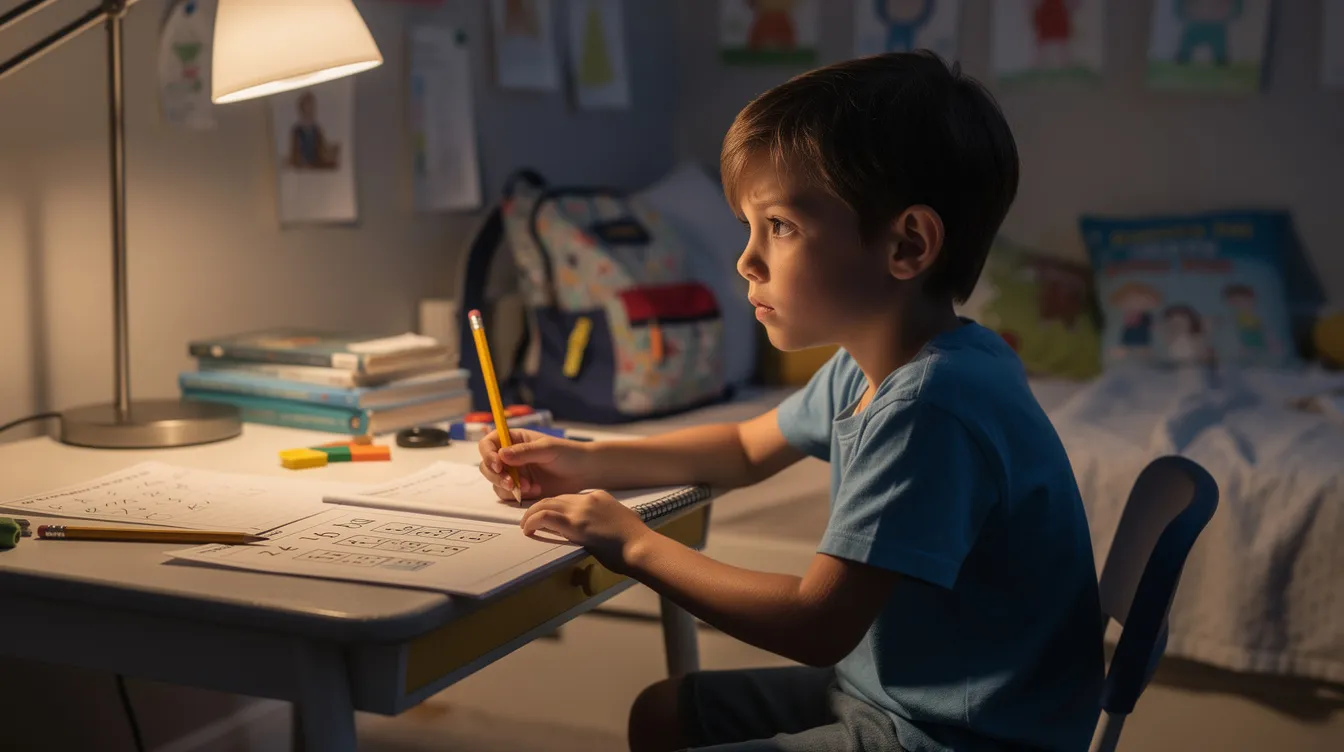
In Singapore, the default response to weak results is often more tuition and extra worksheets, especially around P3–P5 when the school year brings sharply increased syllabus demands. Many families invest in three or four weekly tuition sessions, hoping volume will fix the problem.
This approach backfires when the core issue is attention delivery or executive overload. Extra practice adds volume to a system already struggling to sustain focus, producing more resistance and emotional fatigue. The child attends weekly tuition yet still forgets steps in long division because the underlying executive skills were never addressed. Academic content is repeated, but the process of learning – how to hold information, plan responses, and regulate effort – remains untrained.
- Content-drilling (more problem sums, more spelling lists) differs fundamentally from process-based work targeting attention stamina, working memory, and strategy use. Active recall is more effective than passive reading, and spaced practice benefits skill performance in studying just as it does in games.
- When the true bottleneck lies in attention, processing speed, or self regulation, standard worksheet practice cannot resolve it. This is exactly that scenario where understanding why tuition doesn’t help some children matters.
- Cognitive training uses EEG data to improve attention regulation. It aims to strengthen underlying regulation skills over time, and it is not a one-session fix – it requires consistency. Progress in cognitive training is measured through task completion and focus, and studies show it can improve reading endurance and classroom participation.
- Sustainable improvement comes from retraining the process, not simply repeating the academic knowledge the child already partially understands.
Fine Motor Skills, Writing Fatigue, and the Hidden Cost of Worksheets
Writing is far more than putting thoughts on paper. It requires postural control, correct pencil grip, eye-hand coordination, and sustained fine motor effort. When any of these components are weak, the physical act of writing becomes exhausting. NUHS in Singapore identifies signs such as hand fatigue, awkward grip, slow or messy script, and inconsistent spacing as indicators of handwriting difficulty in children.
A child whose hands tire quickly will allocate attention to the motor task – forming letters, controlling pressure – leaving little cognitive capacity for thinking about content. Primary 2 spelling sentences, P3 Science structured responses, and long English compositions all demand handwriting speed and endurance. The child who “zones out” or complains during copying is often physically fatigued, not simply resistant.
- Sensory integration helps children process sensory information effectively, and strong sensory integration supports emotional regulation and attention. The vestibular system aids in balance and coordination during movement, contributing to postural stability at a desk.
- Children develop sensory integration skills primarily from birth to age seven. Sensory integration challenges can lead to difficulties in focus and coordination that persist into primary school.
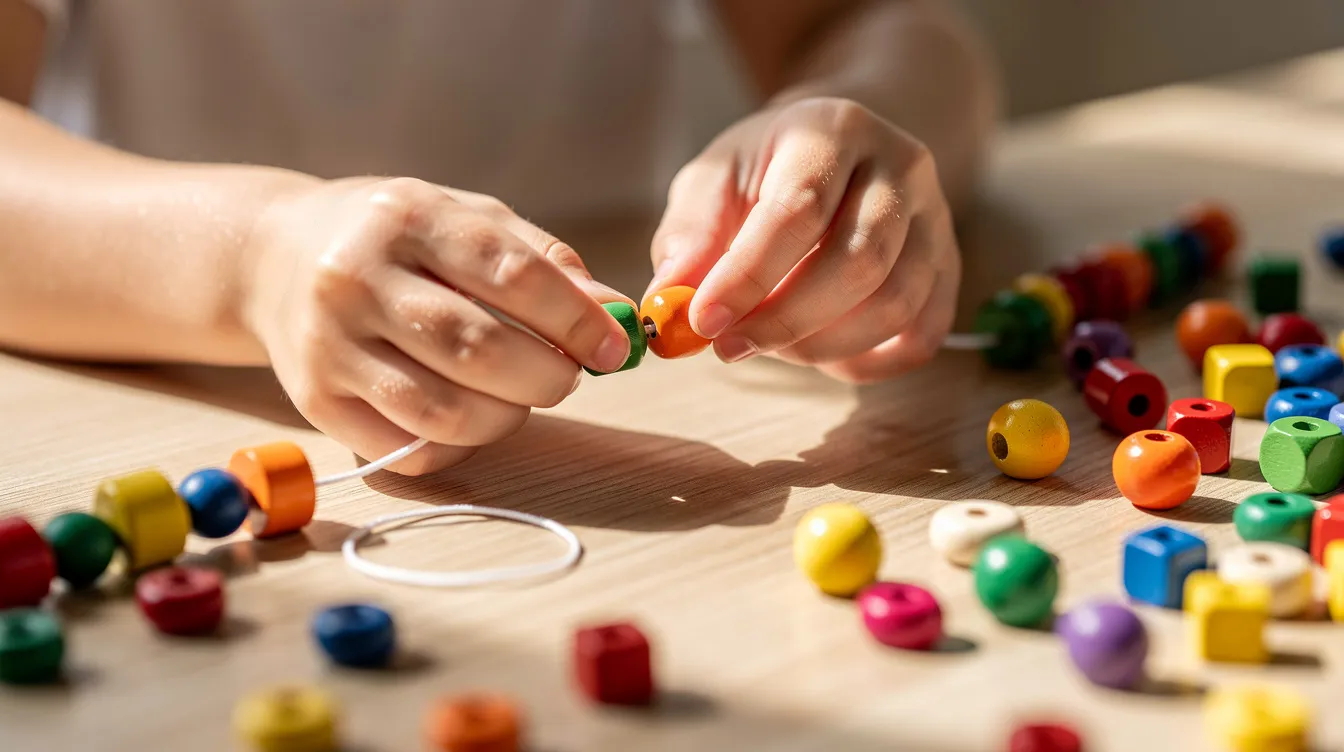
- Early play based activities – Lego, threading beads, clay play, origami – build finger strength and coordination that transfer directly into classroom writing stamina.
- Improving fine motor foundations can reduce apparent attention problems because the child frees up cognitive resources for thinking instead of just forming letters. This is a forgotten frontier for many families who focus solely on academic drilling.
Emotional Regulation, Anxiety, and “Homework Battles”
When a child repeatedly experiences “I can’t do this” with Math, Chinese, or composition writing, anxiety becomes conditioned. Homework time triggers a fight-or-flight response before the first question is even read.
Emotional regulation predicts smooth school transitions, and children with strong emotional regulation thrive in school environments. On the other side, children lacking emotional regulation struggle with classroom learning – they cannot tolerate the frustration, boredom, and ambiguity that daily tasks demand. Emotional regulation helps children manage everyday experiences, and it is linked to children’s confidence and resilience over the long term.
- A child who cries before spelling tests, rips up worksheets when corrected, or stomps away during P3 Science revision is not being dramatic – their nervous system is in a state of threat. Heart racing and shallow breathing cannot coexist with strong working memory or problem-solving.
- Recognising enjoyment drops in tasks can signal a break is needed. Pushing through sustained distress rarely produces learning; it produces avoidance.
- Parents can practise co-regulation: staying calm, naming feelings (“I can see this feels really hard right now”), and helping the child regulate emotions before returning to the task.
- Emotional reactivity during homework is often the loudest symptom, but it is usually downstream of cognitive overload or anxiety – not its cause.
School Readiness, Social Skills, and Attention in the Early Years
School readiness goes far beyond letter knowledge and number recognition. It includes the ability to sit for short periods, follow group instructions, manage self care (toileting, snack time, belongings), and navigate social interaction like turn-taking and sharing.
Gaps in early self regulation and attention foundations during preschool – difficulty with circle time, group games, or waiting turns – often evolve into focus struggles in Primary 1–3. Over 25% of children start school not toilet trained, highlighting how many children enter a new environment without basic self-management skills in place. Children need social skills for successful school adaptation, and these social skills are among the strongest predictors of how well a child adjusts to formal schooling.
- Children need to engage in play for school readiness. Outdoor, play based experiences and pretend play support brain regulation and prepare children to learn in structured settings.
- Physical activity supports attention and learning readiness. Real world experiences – climbing, running, cooperative outdoor games – build the sensory and motor foundations that classroom sitting demands.
- Heavy screen exposure in the early years can train the brain to expect high-intensity stimulation, making quiet, paper-based tasks feel especially dull. Early childhood development research supports limiting passive screen use and increasing hands-on, interactive play.
- Difficulties here can co-occur with subtle ADHD symptoms, language processing weaknesses, or anxiety, and they are worth monitoring early rather than adopting a “wait and see” approach.
- Self awareness develops through social interaction and guided play, helping children begin to notice their own emotions and regulate responses.
Bridging the Gap: Practical Strategies for Home and School
We cannot make schoolwork as stimulating as Roblox. But we can design it to be brain-friendlier through structure, movement, and clear limits. Managing focus effectively requires separate blocks for play and study, with deliberate transitions between them.
- Focus sprints: The Pomodoro Technique involves focused work intervals followed by short breaks. For primary school children, use 10–15 minute blocks for spelling revision, problem sums, or Chinese flashcards, followed by 3–5 minute movement breaks (stretching, wall push-ups, a quick ball game). Structured breaks between study sessions help maintain concentration across the evening.
- Visual timers and checklists: Place a visual timer on the homework desk so children can “see” time passing. Use a simple checklist of tasks to complete, offloading demands from working memory. Clear environmental boundaries can improve focus during academic tasks. Good study habits include creating a distraction-free workspace – this means removing tablets and phones from the study area.
- Gamification: Gamifying study tasks can increase engagement. Try dice-based Math drills, card games for vocabulary, or sticker charts tracking completed focus sprints each week. Combining play elements with academic tasks can enhance motivation. Effective study strategies include breaking tasks into smaller goals so the child experiences progress.
- Rest and hydration: Rest and hydration are crucial for maintaining focus. Keep a water bottle at the desk and ensure the child is not studying on an empty stomach or after a long, exhausting day.
- Coordinate with teachers: Request shorter task chunks, options for oral responses, or permission to use high-interest topics for compositions. Easily distracted children benefit from being seated away from windows and high-traffic areas.
- For children who need more systematic, process-driven support that retrains attention, working memory, and executive tracking habits, a structured learning intervention can provide exactly that.
Supporting Self-Care, Routines, and Daily Independence
Building independence in self care – packing the school bag, managing the homework file, bathing without reminders, simple chores – strengthens executive function skills like planning and sequencing outside of pure academics. These daily tasks are real world practice for the same cognitive skills the classroom demands.
Maintaining a balanced routine with play and study is important for mental health. Predictable routines lower background stress on the nervous system, freeing up attention for schoolwork sprints when they happen.
- Evening “school bag check”: Before bed, the child reviews the next-day timetable and packs what is needed. Use a picture checklist initially.
- Fixed “quiet work” window: A consistent 20–30 minute block for reading or revision at the same time each day, anchored by a visual timer.
- Scaffolded independence: Visual schedules and picture checklists are not “pampering” – they are a bridge to later self-management, just as training wheels are a bridge to cycling.
- Age-appropriate chores: Setting the table, folding laundry, or preparing a simple snack all practise sequencing and task completion. The sense of accomplishment transfers to academic confidence.
When to Seek Professional Help and What to Ask
Not every child who dislikes homework needs a clinical assessment. But certain red flags suggest it is time to consult a psychologist, educational therapist, or paediatrician in Singapore.
- Persistent avoidance of schoolwork despite consistent home support, not just occasional resistance.
- Major meltdowns that are frequent, intense, and disproportionate – well beyond typical frustration.
- A large gap between play focus and classroom focus that does not narrow over a full school year.
- Teacher concerns about ADHD symptoms, learning pace, or social interaction difficulties.
- Bring concrete samples – Math scripts, compositions, spelling tests – and teacher reports that highlight the play-versus-work contrast. Ask: “Is this an attention regulation issue, a specific learning difficulty, anxiety, or a combination? How is my child’s working memory and processing speed affecting their learning?”
- Revisit whether your child’s challenges fit the patterns described in the difference between learning difficulties and laziness to avoid unhelpful blame and begin productive support.
Conclusion: Reframing Attention for Long-Term Growth
A child’s ability to focus during play but not during schoolwork reflects different demands on the brain – not poor character, not “spoilt” behaviour, and not a parenting failure. When we understand that focus, self regulation, and emotional stamina are skills rather than fixed traits, the path forward becomes clearer.
The main message for parents in Singapore: move away from pure drilling and tuition as the first response. Instead, begin strengthening the underlying cognitive and emotional foundations – working memory, inhibitory control, emotional regulation, and fine motor stamina. These are the engines that drive learning across every subject.
- Attention skills are flexible and trainable when addressed with process-based tools rather than punishment.
- Children learn to bridge the gap between high-interest play and lower-stimulation schoolwork when given structure, patience, and targeted support.
- Protecting your child’s confidence and love of learning now pays dividends across every future school year and into life beyond the classroom.
With attuned support, sustainable improvement is not just possible – it is the expected outcome.

Frequently Asked Questions
How do I tell if my child’s focus struggles are normal or a sign of ADHD?
All children prefer play to homework – that alone is not a red flag. Warning signs include extreme distractibility across multiple settings (not just at home), frequent loss of items, big emotional reactions to small demands, and a long-standing history of these behaviours stretching back to preschool age. Track specific behaviours over four to six weeks across home and school. If impairment is consistent and significant – affecting friendships, school results, and daily life – consult a qualified clinician. Only trained professionals can diagnose ADHD, but parents can and should seek assessment when the pattern disrupts learning and wellbeing.
Can play-based activities really improve attention for schoolwork?
Yes, but with context. Well-structured play based tasks – construction sets, strategy board games, outdoor obstacle courses – challenge planning, working memory, and self regulation. Following multi-step Lego instructions practises sequencing; turn-taking games build response inhibition; cooperative building develops social skills alongside attention control. That said, play alone is not sufficient if difficulties are moderate to severe. It serves as a powerful foundation alongside targeted interventions that address specific cognitive bottlenecks.
What can I ask my child’s teacher to adjust in class or for homework?
Request specific accommodations: shorter but more focused homework sets, breaking long tasks into smaller chunks, allowing oral rehearsal before writing, and providing graphic organisers for compositions and Science answers. Share what works at home – visual timers, movement breaks – and explore whether similar supports can be embedded in the classroom. Ask which specific tasks your child avoids most (copying notes, silent reading, problem sums) to identify where executive load is highest and where targeted adjustments will have the greatest impact.
How much screen time is reasonable if my child seems to focus only on games?
High-intensity digital play can widen the gap between screen focus and worksheet focus if left unbalanced. A practical approach: set daily limits, schedule screens after homework or focus sprints rather than before, and build in screen-free stretches during school holidays for outdoor and hands-on play. Prioritise interactive, creative uses of screens over passive scrolling, and observe whether mood and attention worsen after long gaming sessions. If they do, that is a signal to recalibrate.
Will my child eventually “grow out of” these focus differences?
Some children do mature into stronger attention and self regulation, especially within supportive environments. However, entrenched patterns linked to ADHD or learning difficulties typically persist without targeted help. Early support during primary school years can significantly change trajectories by building cognitive stamina and emotional coping skills. Proactive monitoring and, where appropriate, early intervention are far more effective than waiting for secondary school pressures to expose larger gaps.
Comments are closed