
If your child wakes up dreading the school day, complains of headaches every Monday morning, or melts down over homework that used to feel manageable, you are not alone. School coping difficulties affect more children in Singapore than most parents realise – and they almost always signal something deeper than laziness or defiance. This parent guide to school coping difficulties will help you understand what is happening, recognise the signs by age group, and take practical steps that actually work.
Key Takeaways
- School coping difficulties are common in Singapore and usually signal cognitive overload, anxiety, or learning differences – not laziness or poor discipline.
- Early intervention, predictable routines at home, and collaboration with teachers can quickly reduce daily battles about going to school.
- Simply adding more tuition often worsens stress and fatigue; targeted support for mental health, executive functioning skills, and foundational skills produces better long term success.
- School refusal affects approximately 5% of school-age children, and students with anxiety or depression can lose an average of 24 school days per year.
- Cognitive Development Learning Centre offers comprehensive cognitive assessment, learning intervention, and child psychological therapy for school stress – helping children build sustainable coping strategies rather than just chasing grades.
When Everyday School Becomes “Too Much”
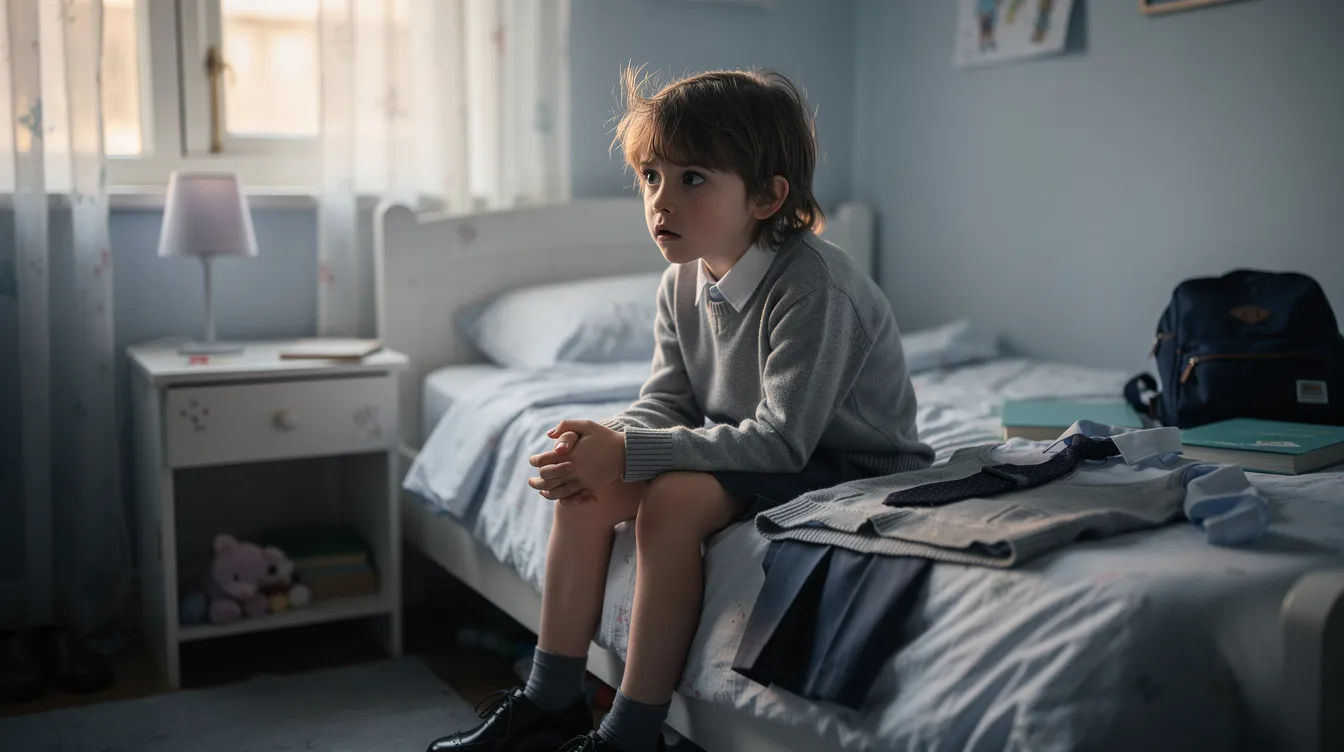
It is 6.30am in a Singapore HDB flat. A Primary 3 child is sitting at the edge of the bed, holding her stomach. “I feel sick,” she says for the third time this week. Her mother checks – no fever, no vomiting. But the tears are real, and the taxi to school is waiting.
This scene plays out in thousands of homes across Singapore every school day. After school, it continues: homework meltdowns after CCA, zoning out during revision, or late-night tears over a spelling test the next morning.
School coping difficulties describe the gap between what a school environment demands – academic pace, social navigation, sustained focus, sensory tolerance, and self regulation – and a child’s current capacity to manage those demands. When that gap is wide enough, even most children who previously seemed fine can start to struggle.
A child struggling to attend school or complete homework is experiencing overload, not choosing to misbehave. Research shows that school refusal affects children aged 5 to 17 years, with students who have symptoms of depression or anxiety losing an average of 24 days of school per year – nearly 190 hours. For younger children in P1–P3, this often looks like somatic complaints and clinginess. For older children in P4 through Secondary, it shifts to avoidance behaviors and emotional withdrawal.
What We Mean by “School Coping Difficulties”
School coping difficulties are not a formal diagnosis. They describe a lived, day-to-day experience: a child who finds the daily life of school consistently overwhelming.
This is different from meeting clinical criteria for anxiety disorders, ADHD, or a specific learning disability – though many children with coping difficulties share subclinical weaknesses in attention, working memory, or emotional regulation. A child’s struggle can be influenced by both academic and social factors, and school refusal can lead to chronic absenteeism and academic decline if left unaddressed. Students with school refusal may miss weeks or months of school.
Coping difficulties can appear even when marks look acceptable. A P5 child getting As but crying nightly over homework is coping poorly. A Sec 2 student whose grades have dropped despite long study hours is also coping poorly.
Typical school demands that create friction include:
- Attending school daily for six or more school hours
- Managing a timetable across multiple subjects
- Following multi-step instructions in a noisy classroom
- Handling peer dynamics during recess, group work, and CCAs
- Sustaining attention through long assemblies and back-to-back lessons
School coping difficulties sit at the intersection of mental health, executive functioning, and underlying learning differences. If your child is struggling, it is a skills-and-support issue – not a character flaw.
The Four Pillars of School Coping Challenges
Most children’s struggles fall across four overlapping pillars. Understanding which pillar – or combination – is driving your child’s distress helps you move from frustration to a targeted treatment plan.
1. Academic & Cognitive Load
The pace of the MOE curriculum, dense PSLE-style word problems, and frequent weighted assessments can exceed a child’s working memory or processing speed limits. When foundational skills like phonological awareness in reading, number sense in maths, or language comprehension in science are weak, every lesson compounds the gap.
In Singapore, 50–70% of local child clients seen by psychologists reference academic pressure as a major source of stress, roughly double the rate among expat children. Academic pressure peaks around P6/PSLE preparation. If you suspect your child’s academic performance is held back by skill gaps rather than effort, identifying underlying learning difficulties is a logical first step.
2. Executive & Organisational Demands
Executive functioning skills – planning, organisation, starting tasks, sustaining attention – are the invisible engine behind school success. In plain terms, these are the skills that help a child remember the Chinese tingxie list, pack the right textbooks, and actually begin that composition without 45 minutes of stalling.
Signs of executive weakness include a messy school bag, missing worksheets, incomplete homework despite sitting at the desk for hours, and difficulty studying independently for exams. Parents can learn more about executive functioning skills and emotional regulation and how they develop.
3. Emotional & Performance Anxiety
Fear of failure, comparison with classmates, and the pressure of streaming and high-stakes exams (PSLE, O-Levels) can make children feel anxious and avoidant. About 76% of Singapore secondary students report fear of test failure even when prepared – much higher than OECD averages.
Signs include perfectionism, freezing during tests, crying over minor mistakes, or insisting on re-doing homework late at night. Children may avoid school due to fear of negative experiences such as teacher reprimands, oral presentations, or class participation. This anxiety about school related stimuli can directly trigger avoidance behaviors and school refusal.
4. Sensory & Social Environment
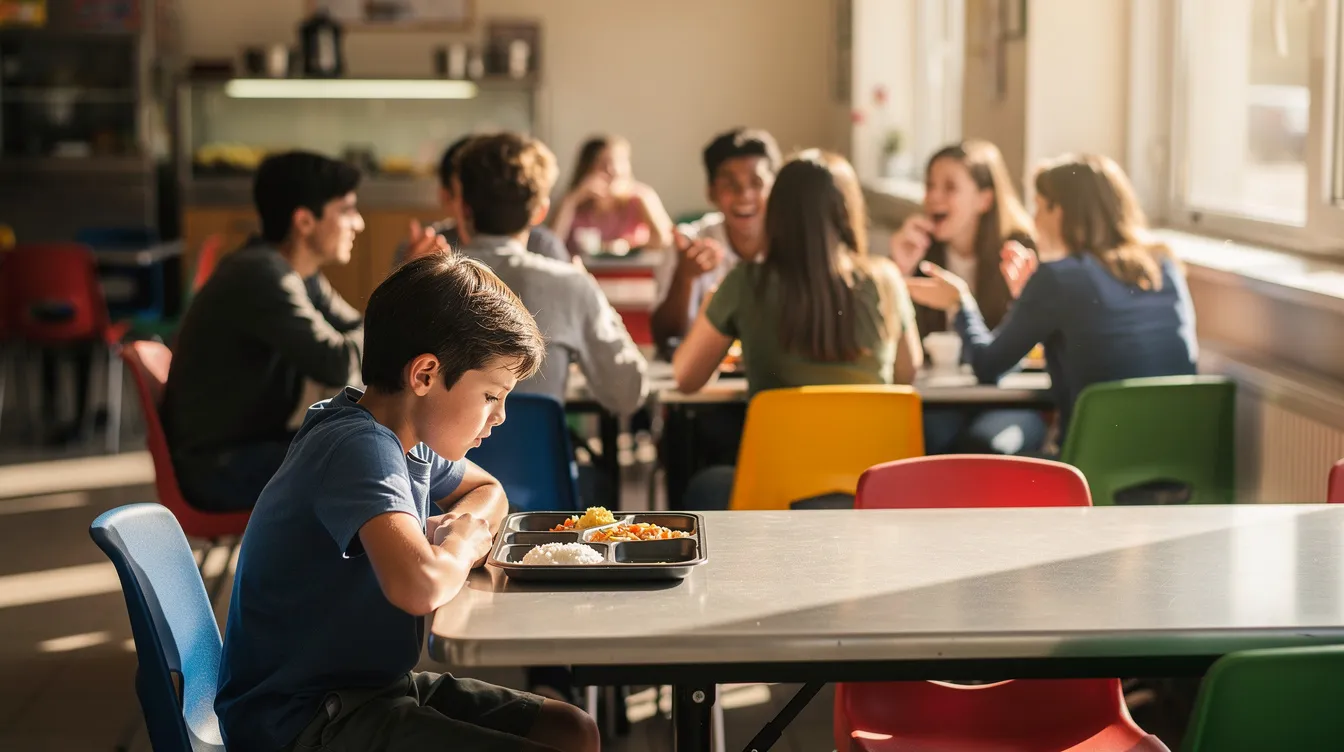
Noise in the canteen, crowded corridors, PE lessons, and long assemblies can overwhelm children who are more sensitive – including those who may be on the autism spectrum. Building personal connections in school enhances student security, but when those connections are absent, the school environment feels hostile.
One in five students report being bullied at school, and bullying impacts children’s willingness to attend school significantly. Children exposed to bullying may experience anxiety and depression, and bullying can lead to chronic school refusal. Friendship conflicts, subtle exclusion, or difficulty reading social cues are social stressors that often lead to “hidden” distress – your child may not be able to articulate what is hard, but their body (headaches, nausea) shows it.
How School Coping Difficulties Show Up at Different Ages
Signs look different for a P1 child versus a Sec 3 teen. Parents should watch for patterns over several weeks rather than reacting to a single bad day. Identifying signs early can help address issues before they escalate, and early intervention during these stages can prevent long-term academic and mental health complications.
Lower Primary (P1–P3)
- Morning stomachaches, headaches, or nausea on school days that disappear on weekends
- Difficulty separating at the school gate; extreme clinginess
- Crying in the classroom or refusing to complete simple worksheets at home
- Sudden refusal to attend school after a negative incident (e.g., scolding in front of the class)
- Fear of making mistakes, sometimes leading a child to throw tantrums over minor errors
Children aged 5 to 6 have higher rates of school reluctance, and separation anxiety can lead to school refusal in younger children within this age group. Younger children may struggle to express their worries – they often feel it in their bodies rather than their words.
Track how often these occur. If your child shows these signs more than 2–3 days per week for a month, this is unlikely “just a phase.”
Upper Primary & Secondary (P4–Sec 4/5)
- Procrastination; staying up late but not finishing homework
- Frequent “I don’t care” comments masking fear of failure
- Missing the bus on purpose, frequently visiting the sick bay, or claiming to feel unwell on test days
- Children may exhibit behavioral shifts such as withdrawal or irritability when facing difficulties
- Withdrawal from family meals, staying in their room after school, gaming or scrolling for extended periods to escape stress
Students who identify as LGBTQ+ report more unexcused absences, indicating that identity-related stressors add another layer. At this age, anxious students often hide their distress behind indifference. Watch for the gap between effort and outcomes – a child studying for hours but failing may have underlying causes that need investigation.
School Coping Difficulties vs. “Normal” Stress
Some stress about exams or presentations is expected. It can even motivate young people to prepare. The difference lies in duration, intensity, and impact on daily life:
| Normal Stress | Coping Difficulty |
|---|---|
| Occasional nerves before a big test | Daily dread about going to school |
| Short-tempered once in a while during exam week | Meltdowns several times a week for weeks |
| Complaining about homework but completing it | Consistently unable to start or finish homework |
| Brief worry that resolves after the event | Persistent anxiety that disrupts sleep, appetite, or family life |
Over 300,000 children globally have been exposed to gun-based violence at school, a reminder that significant stress in school environments can stem from many sources. In Singapore’s context, the common stressors are academic pressure and social dynamics rather than physical safety threats, but the psychological impact of toxic stress is real regardless of cause.
When a child’s stress consistently disrupts their ability to attend school, sleep, or engage with family, it is time to pay close attention. Do not wait until marks plummet or school refusal is entrenched.
Why “More Tuition” Often Makes Things Worse
A P6 child already exhausted from school and CCA now has tuition almost every weekday evening. She is spending more hours on academics than ever – and still seems to be falling behind. Many parents reach for tuition as the first response when they see a child struggling. It makes intuitive sense: more practice should help.
But Singapore families spent S$1.8 billion on private tuition in 2023 – a nearly 30% increase since 2018 – and the mental well being costs are mounting. When a child is already cognitively fatigued or emotionally dysregulated, extra drill sessions remove recovery time, worsen the child’s anxiety, and deepen resentment towards school.
The critical distinction: some students struggling need content reinforcement, and tuition can fill specific knowledge gaps. But if the bottleneck is attention, working memory, processing speed, or emotional coping, more worksheets will not fix the problem. Research shows that interventions targeting executive functioning and self regulation yield better long-term academic outcomes than simply increasing academic load.
Cognitive Development Learning Centre is not a high-pressure tuition centre. Its approach focuses on strengthening underlying skills so that school – and reasonable tuition, if chosen – becomes more effective and sustainable.
Immediate De‑Escalation Tips for Tough School Days
These are “start tonight” strategies for when school feels too much:
- Move bedtime earlier by 20–30 minutes during high-stress weeks. Singapore research shows that reallocating 30 minutes from activity to sleep improves reading and maths scores.
- Build a 20–30 minute decompression window after school – snack, shower, quiet time – before any homework conversation. A structured home environment eases children’s transition to school demands.
- When your child feels anxious about attending school, validate first: “I can see you’re worried about tomorrow’s test. That’s a real feeling.” Then problem-solve together.
- Use positive reinforcement: small, meaningful rewards for efforts like attending school despite worry or starting homework on time. Positive reinforcement encourages school attendance and participation.
- Creating a visual schedule can reduce morning stress – lay out uniform, pack the bag, and prepare breakfast the night before. Save deeper conversations for calmer evening or weekend moments.
- Avoid long lectures during the morning rush. Your child cannot process reasoning when they are in fight-or-flight mode.
A Step‑by‑Step Action Plan to Help Your Child Cope
This five-step roadmap is designed for parents who feel overwhelmed. Move through steps at your own pace rather than trying to fix everything in one week. Each step balances empathy with concrete, doable actions tailored to Singapore school schedules and family life.
Step 1: Lower Immediate Friction at Home
Establishing routines aids in a child’s sense of stability and reduces stress. Maintaining predictable routines can provide children with stability and security during uncertain times.
- Create a predictable after-school routine: snack → short break → homework block with built-in 5-minute breaks every 20–25 minutes.
- Use a simple visual timetable or checklist for younger children. Older students benefit from a weekly planner they help create.
- Set clear expectations around device use (e.g., no gaming until homework is started), but give some choice within boundaries to reduce power struggles.
Step 2: Partner with Teachers and School
Early communication with school staff can support a child’s well being. Maintaining open communication with teachers can help monitor a child’s academic progress and emotional state.
- Email or meet form teachers to share observations. Be specific: “She cries every evening over maths homework” is more useful than “She doesn’t like school.”
- Ask teachers targeted questions: How is attention in class? Is assignment completion consistent? How does she interact with peers? Are there signs of anxiety or avoidance behaviors?
- Schools should implement accommodations to support anxious students – ask what is already available (e.g., safe space during recess, modified workload during stressful weeks).
- Collaborative problem-solving with teachers can identify specific challenges a child faces. Keep communication respectful and solution-focused.
Step 3: Separate Effort From Outcomes at Home
Focusing on children’s effort rather than solely on outcomes is beneficial for reducing performance anxiety. When every conversation at home centres on grades, it amplifies the very pressure that makes school feel unbearable.
- Shift praise to the process: “I saw you kept trying even when the maths problem was hard” instead of “You got 95 marks.”
- Ask, “When did school feel a tiny bit easier today?” to help your child notice small wins. Celebrating small achievements encourages children’s resilience and efforts.
- Collaborating on problem-solving with children fosters teamwork and empowerment rather than dependency.
Step 4: Identify Root Causes Through Assessment
A comprehensive cognitive assessment or psychoeducational assessment typically examines working memory, processing speed, language comprehension, attention, and emotional functioning. It clarifies whether the main bottleneck is a learning difference, executive functioning weakness, anxiety, or a combination.
Many children have mixed or subthreshold difficulties that do not meet criteria for a formal diagnosis but still impair daily functioning. Assessment removes guesswork and points to the right support, not just more of the same.
Step 5: Prioritise Targeted, Holistic Support
Where appropriate, combine specialised learning intervention to build foundational skills with child psychological therapy for school stress and anxiety. Educational therapy addresses root causes of learning challenges and develops individualized intervention plans for students struggling to keep up. Educational therapy supports emotional regulation and coping strategies alongside academic skill-building, and is beneficial for children with learning differences.
Learning intervention sessions may focus on core cognitive processes, study habits, and emotional regulation tools – not just re-teaching school content. If your child’s anxiety, low mood, or school refusal is persistent, professional therapeutic support is essential.

Working With Your Child’s Emotions, Not Against Them
Emotional validation is one of the most powerful tools parents have. Validating children’s emotions helps them feel heard and understood. Listening and validating feelings fosters an environment of trust and openness.
Examples of validating statements:
- “It sounds like today was really tough. Tell me more.”
- “I understand you’re scared about the test. That makes sense – it matters to you.”
- “You don’t have to feel okay about this right now.”
Minimising (“It’s not a big deal”) or dismissing (“Just be brave”) can unintentionally increase shame and avoidance behaviors. When a child feels safe expressing distress, they are more likely to accept help.
Create a safe space for children to express their feelings – this might be a quiet chat before bed, or a walk after dinner. Listening actively to children without rushing to fix their problems is important, especially with older children and teens who resist being “lectured.”
Using an “anxiety iceberg” – where the visible behavior (refusal, tantrums) sits above deeper worries (fear of failure, social rejection, feeling “stupid”) – can help children identify worries they cannot easily name.
Building Core Coping and Foundational Learning Skills
Helping children cope better at school requires both emotional tools and academic foundational skills. Teaching coping strategies – like breathing techniques, positive self-talk, and relaxation techniques – helps children deal with big emotions effectively. Practicing emotional regulation techniques helps children manage stress and anxiety in stressful situations across the school day.
Cognitive Development Learning Centre often works on four foundational skill areas:
- Attention and working memory – sustaining focus and holding information long enough to use it
- Language comprehension – understanding instructions, word problems, and text across subjects
- Maths reasoning – number sense and problem-solving strategies beyond rote calculation
- Self-monitoring – awareness of when a task is going off-track and knowing how to self-correct
Early intervention improves literacy and executive functioning skills. Building resilience is essential for children to cope with challenges effectively, and strengthening these areas reduces daily friction, boosts self efficacy and confidence, and improves long-term academic outcomes. Targeted practice on underlying skills is more sustainable than endless tuition worksheets or repeated scolding.
When to Seek Professional Help
Recognizing emotional distress in children is crucial for timely intervention. Seek professional help when you see:
- Frequent school refusal lasting more than 2–3 weeks
- Panic attacks before or during school
- Talk of self harm or expressions of hopelessness
- Marked decline in sleep, appetite, or grades over a school term
- Your child consistently cannot learn effectively despite extensive home support
5% of school-age children experience school refusal, and professional mental health support can help children with school refusal return to school and rebuild confidence. Cognitive Behavioral Therapy is effective for school refusal treatment, and early intervention can prevent school refusal from worsening.
Children benefit from professional help when difficulties persist despite home interventions. Mental health professionals – including child psychologists, educational psychologists, and learning intervention specialists – understand both the mental health and cognitive profiles that drive coping with school refusal and academic stress.
Differentiate between mild, situational stress that parents can often manage with school support and severe or persistent difficulties that warrant specialist input. If you have specific concerns about your child, trust your instincts.
How Cognitive Development Learning Centre Supports Children in Singapore
Cognitive Development Learning Centre takes a psychology-informed approach to learning intervention. The focus is on sustainable coping and skill-building – not short-term grade boosts.
Since 2009, the centre has supported children in Singapore who struggle to attend school, keep up with homework, or cope emotionally with school demands. Typical client profiles include children with suspected or diagnosed learning difficulties, attention issues, anxiety about school, or those who have not improved despite regular tuition.
Educational therapy at CDLC develops individualized intervention plans for students. The collaborative process includes: initial consultation, assessment of needs, a customised intervention plan, and regular communication with parents and – where possible – schools. The centre works to support students and support children across the cognitive, emotional, and academic dimensions simultaneously, taking a comprehensive approach.
Next Steps for Parents Feeling Stuck
Whether your child is in P2 or Sec 3, it is not “too late.” Most children respond to the right support when it comes at the right time, from the right people.
Start with one small change at home this week – perhaps a calmer after-school routine or a single validating conversation. Then plan longer-term: consider whether an assessment or targeted intervention would help your child build the skills they need to reduce anxiety, build resilience, and feel more capable at school.
If you notice ongoing school coping difficulties, reach out to Cognitive Development Learning Centre for a conversation about your child’s specific situation. A role model for your child starts with a parent willing to seek help.
Frequently Asked Questions
How long should I wait before getting help if my child refuses school?
If your child struggles to attend school, cries most mornings, or complains of physical symptoms linked to school for more than 2–3 weeks, seek guidance rather than waiting it out. School refusal affects approximately 5% of school-age children, and early intervention within the same school term can prevent avoidance behaviors from becoming entrenched habits.
Even if your child still attends school but does so with intense distress – tears every morning, dread every Sunday evening – professional input can still help your child significantly. The longer you wait, the harder it becomes for the child to re-engage.
Should I let my child stay home if they feel anxious about school?
Occasional mental health days can be useful, but repeated staying home tends to increase the child’s anxiety and make returning harder. Each day away reinforces the idea that school is something to avoid school rather than manage.
A balanced approach works best: validate feelings, keep clear expectations about attending school, and work with school staff to make the day manageable – for example, a shortened timetable, a safe space during recess, or a designated teacher check-in. If your child starts to skip school regularly, get professional advice promptly.
Can my child outgrow school coping difficulties without support?
Some mild worries may improve as children mature. However, persistent coping difficulties – especially those linked to learning differences, executive functioning weaknesses, or entrenched anxiety – rarely disappear on their own. They usually require targeted teaching and, in some cases, therapeutic support.
Unaddressed difficulties tend to compound through secondary school and beyond, affecting a child’s academic performance, social confidence, and mental well being. Early support improves long-term academic outcomes and reduces the risk of more serious mental health issues in adolescence.
What if school says my child is “fine” but at home they melt down?
This is a very common pattern. Many children hold themselves together in class and release their emotions only in the safety of home, where the child feels safe enough to let go. Teachers may genuinely see a quiet, compliant student while parents face nightly homework battles and Sunday evening dread.
Share specific home observations with teachers, including time-stamped examples: “Every evening from 7–8pm, she cries over maths revision.” A joint view from home, school, and a professional assessment gives a far more complete picture than school feedback alone. It helps everyone recognise signs that might otherwise be missed.
How fast will I see changes if we start intervention?
Some families notice reduced morning resistance and fewer homework meltdowns within a few weeks of implementing routine changes and targeted support. Celebrating small achievements – a calmer morning, willingness to try a difficult question – matters as much as test scores.
Deeper changes in foundational skills and confidence usually take months rather than days. Progress is not only measured by grades; better mood, willingness to attend school, improved self-talk, and a more positive relationship with learning are equally meaningful outcomes. A supportive environment at home combined with professional guidance creates the conditions for children to cope more effectively over time.
Comments are closed