Key Takeaways
- Many autistic children appear to “cope” during the school day but experience intense meltdowns, emotional outbursts, or exhaustion the moment they arrive home. This is not manipulation-it is a sign their coping capacity has been depleted.
- School coping difficulties typically stem from sensory overload, social fatigue, executive functioning demands, and unpredictable changes-not low intelligence or “bad behaviour.”
- Over 71% of autistic learners experience lost learning in mainstream education, suggesting that the school environment itself often needs adjusting, not just the child.
- Parents in Singapore are not alone. Practical strategies at home, collaboration with your child’s school, and specialised support can significantly ease the school day.
- Cognitive Development Learning Centre offers neurodiversity-affirming intervention that targets the root causes of school coping friction, helping children move from surviving to thriving.
When School Looks Fine, But Your Autistic Child Falls Apart at Home
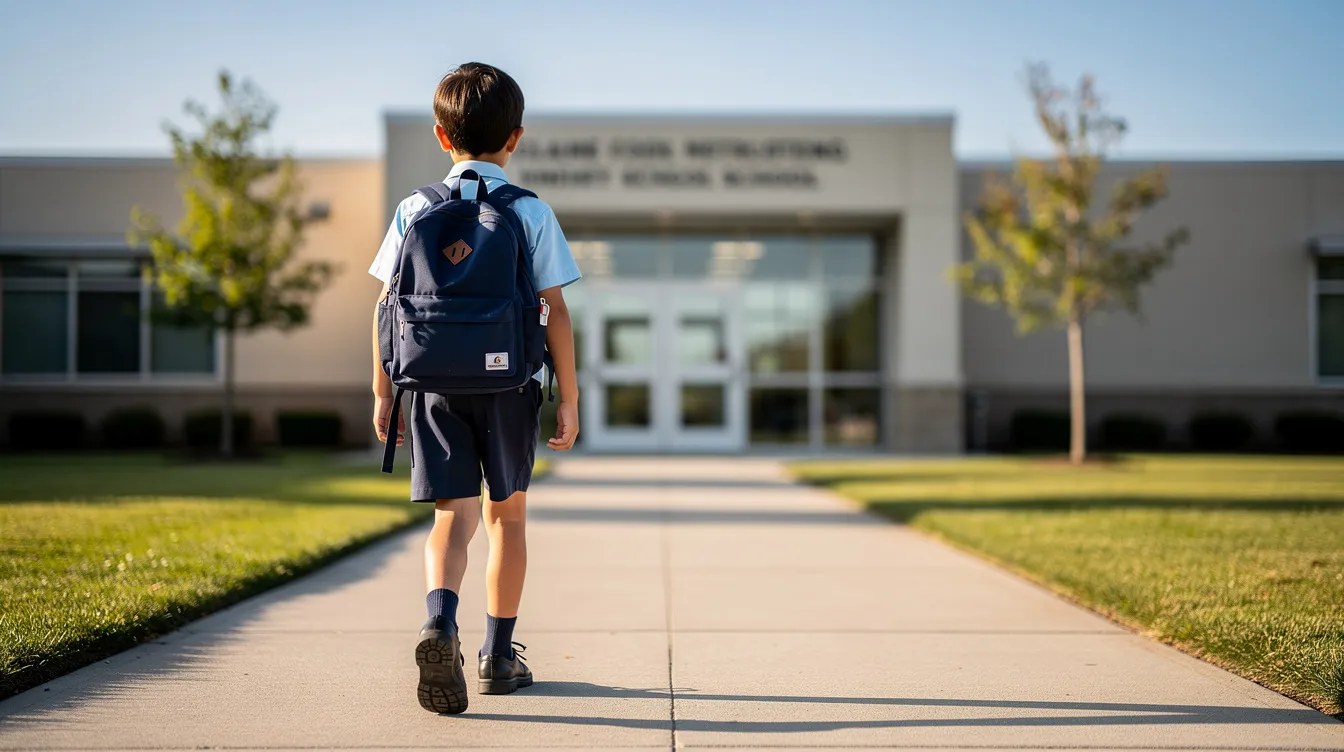
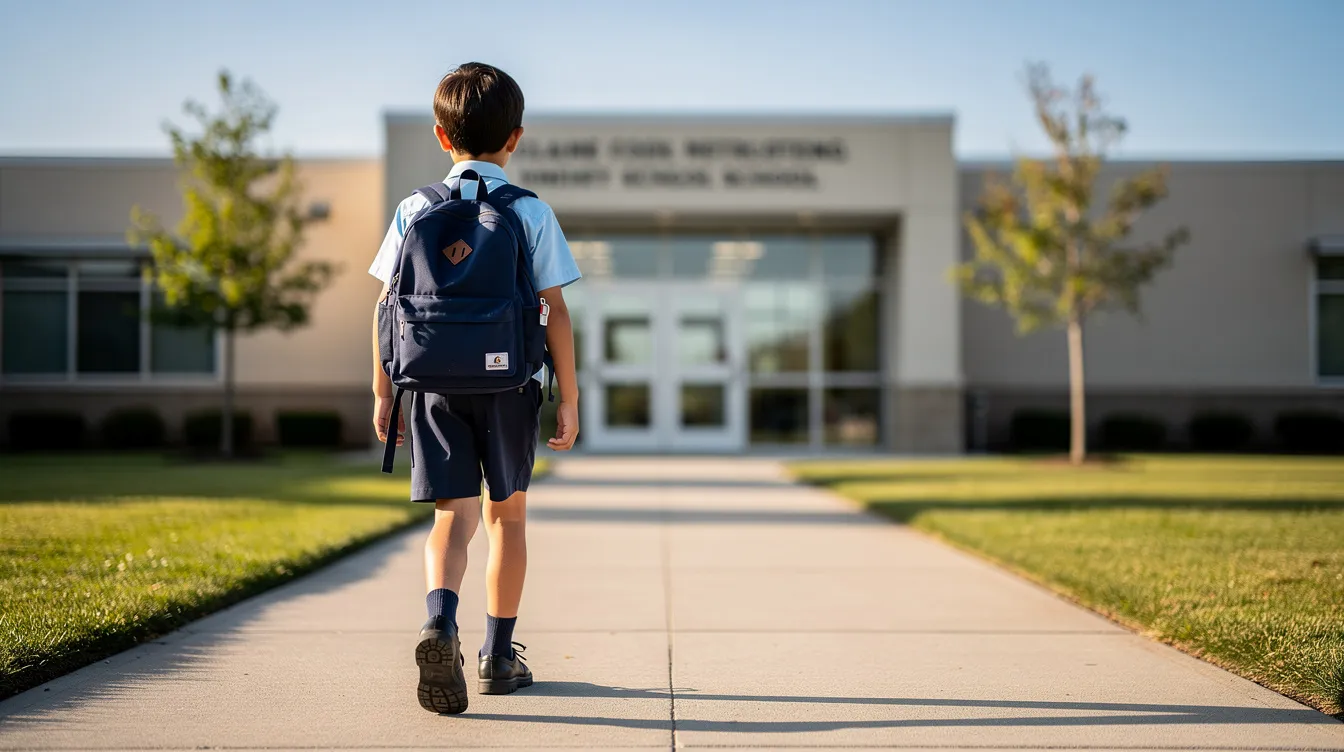
Picture a Primary 3 boy in a mainstream school in Singapore. His teachers describe him as “quiet but manageable.” He sits through lessons, eats his recess alone, and follows instructions. But the moment he walks through the front door at home, the dam breaks-tears, shouting, throwing his bag, or retreating silently to his room and refusing to speak for hours.
This pattern has a name: after-school restraint collapse. It happens when children spend the entire school day suppressing distress, managing sensory input, and masking their natural responses to fit in-only to release everything once they feel safe at home.
School coping difficulties are the hidden accumulation of sensory demands, unspoken social expectations, unstructured times like recess and CCAs, and constant transitions throughout the day. Many autistic children, including those without a formal diagnosis, mask at school to avoid punishment or bullying. These struggles are not about laziness, defiance, or poor parenting. They reflect a mismatch between the child’s nervous system and the school environment.
This article is written for parents in Singapore whose autistic child-or suspected-autistic child-finds daily school life increasingly hard to cope with, whether they attend school in mainstream settings or specialised programmes.
What Do “School Coping Difficulties” Actually Mean for Autistic Children?
School coping difficulties describe the gap between what the school day demands-noise, group work, fast transitions, homework-and the child’s current ability to process, organise, and emotionally manage those demands.
Consider concrete examples: freezing when classmates talk over each other during group work, struggling to follow multi-step teacher instructions, or feeling panicked when the school timetable suddenly changes. These are not just children being “difficult.” There is a meaningful difference between coping (holding on through masking, often at enormous internal cost) and thriving (feeling safe enough to be curious, participate, and recover energy after school).
In Singapore, about 45.9% of children with autism attend mainstream schools, while 39.1% were recommended for sped schools offering the national curriculum, and others are in customised programmes like St Andrew’s Mission School or Pathlight. Not every child receives the same developmental support. Both mainstream and special education settings can produce coping fatigue.
Importantly, school coping is dynamic. What was manageable in lower primary school can become overwhelming by upper primary or secondary school as workload, social complexity, and expectations increase. Older children face compounding demands that younger students do not.
The Four Main Barriers to Coping in Mainstream School Environments
Four barriers appear again and again when parents and professionals describe why autistic students struggle through the school day: sensory overload, executive functioning bottlenecks, social fatigue and masking, and rigidity around predictability and change.
These are not “deficits” in the child. They are differences in how autistic brains process information and stress, which become problematic when the school environment is inflexible. A whole class of 40 students in a room can overwhelm an autistic child, while five or six students in a quieter setting might feel entirely manageable.
Many children with autism experience more than one barrier simultaneously. When sensory overload collides with social demands and an unexpected schedule change, the result can be burnout, heightened anxiety, school avoidance, or outright school refusal. In some classes, only one boy or girl may carry an autism diagnosis, making it harder for school staff to recognise patterns.
Sensory Overload in Classrooms, Canteens, and Corridors
Sensory overload can lead to meltdowns in autistic students. Common triggers include loud noises and bright lights in schools-the screech of plastic chairs, the hum of ceiling fans, echoing assembly halls, fluorescent lighting, crowded recess queues, and sudden school bells.
Research shows that approximately 74% of autistic children demonstrate sensory features by early childhood, with auditory hypersensitivity affecting around 42.9%. Sensory overload can cause emotional fatigue and heightened anxiety that accumulates across the day.
Signs to watch for:
- Covering ears when classmates shout
- Refusing to eat in the canteen
- Insisting on standing at the back during assembly
- Apparent “misbehaviour” during fire drills due to sudden loud sounds
Repeated sensory overload without recovery time contributes directly to after-school meltdowns, trouble sleeping, and stomach aches before school days. Sensory overload can also lead to school refusal in autistic students when the daily load becomes unbearable. Quiet spaces can help reduce sensory overload in schools, giving children brief moments to reset their nervous system before returning to class.
Executive Functioning Bottlenecks: Organisation, Time, and Task Management
Executive functions are the brain’s “control centre”-planning ahead, holding information in working memory, controlling impulses, starting tasks, and shifting between activities. Executive functioning deficits can result in difficulties organizing tasks and managing time, which affects nearly every part of the school day.
Relatable examples include:
- Forgetting to bring the homework file every Monday
- Losing the spelling list before tests
- Freezing when asked to copy long notes from the whiteboard
- Panicking over group projects with unclear steps
Meta-analyses show moderate effect sizes (0.5–0.7) for working memory, cognitive flexibility, and planning difficulties in autistic children, even when IQ is controlled. These gaps persist throughout child development as school demands grow.
Providing clear and concrete communication can help autistic children understand instructions better. When timetable changes hit-exam weeks, Sports Day, Mother Tongue periods shifting-an autistic child’s mental plan for the day can completely derail. Unfortunately, executive difficulties are often misread by mainstream teachers as “careless,” “lazy,” or “not listening,” which increases shame and the child’s anxiety.
Social Fatigue, Masking, and the Cost of “Fitting In”
Masking is the effort many autistic children make to suppress natural stimming, copy neurotypical peers’ behaviour, laugh at jokes they do not understand, and hide confusion to avoid standing out. It is exhausting.
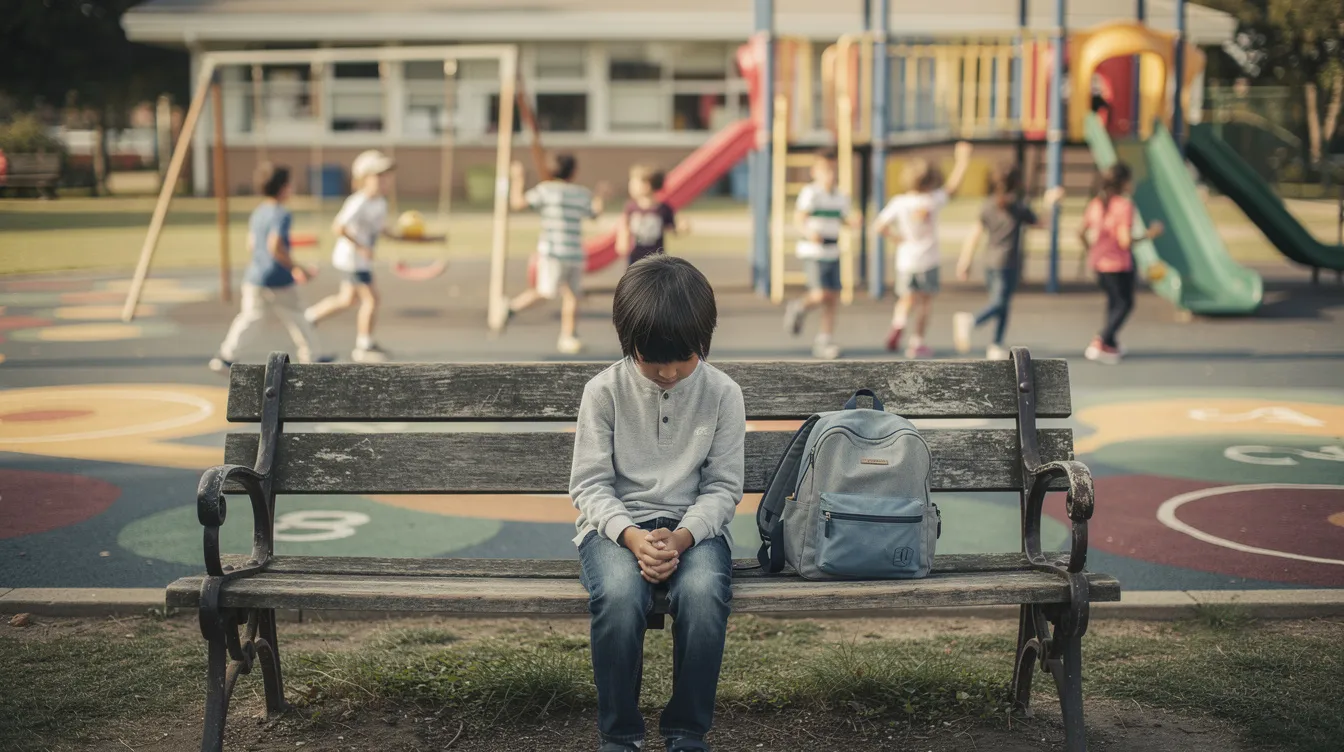
Mainstream schools in Singapore place high value on group work, class participation, and CCAs, all of which demand constant social reading and self-monitoring. Social communication hurdles make peer connections difficult for autistic students. Autistic children may struggle with social skills, causing isolation that runs deeper than what teachers typically see.
Signs of social fatigue include:
- Being unusually silent in class but explosive with siblings
- Telling parents they are not friends with anyone despite being in large classes
- Dreading recess more than tests
- Avoiding eye contact or conversation with peers
Autistic students may face bullying and social isolation from peers. Autistic children often face bullying due to social difficulties, and this increases the risk of school refusal. Bullying-whether overt or subtle teasing about “weird” interests-can make school life feel fundamentally unsafe, even when academics are manageable. Over time, this erodes self esteem and emotional wellbeing.
The Need for Predictability and the Stress of Sudden Change
Rigidity and changes in routine can cause significant anxiety for children with autism. Many autistic children rely on familiar routines and clear expectations to stay regulated, making typical school unpredictability-relief teachers, last-minute assembly, surprise tests-intensely stressful.
Local examples include special events weeks (Racial Harmony Day, Sports Day), sudden classroom changes due to air-con servicing, or last-minute group presentations. Vague instructions like “finish this quickly” or “do it however you like” can cause panic for a child who needs specific, concrete guidance.
Predictable routines can help reduce anxiety and support transitions for autistic students. When predictability breaks down, the result often looks like a “behavioural problem”-refusing to enter class, arguing over rule changes, or melting down when a preferred seat is taken. These reactions are not defiance. They are a nervous system responding to perceived chaos. Allowing children to access advance warnings and visual schedules for routine changes can make a significant difference.
How Coping Difficulties Show Up at School and At Home
Many autistic children work extremely hard to meet expectations at school. Signs of distress may only appear at home-or may be misinterpreted by school staff as disengagement rather than overload.
At school, watch for:
- Quiet withdrawal or frequent “daydreaming”
- Sudden task refusal or head on desk
- Declining grades despite clear intelligence
- Frequent toilet breaks to escape the classroom
At home, common signs include:
- Screaming or emotional outbursts after school
- Refusing homework with unusual intensity
- Physical complaints-stomach aches on Sunday nights, headaches before school
- Difficulty waking on school days, or weekend mood swings
School refusal is more common among autistic children than their peers. Somatic complaints like recurring nausea often indicate emotional overload rather than purely physical illness. The after-school restraint collapse is real: it happens because the child has spent every ounce of energy holding themselves together, and home is the only place safe enough to let go. This is not manipulation.
Parents can track patterns over weeks-which lessons, days, or teachers seem linked to worse evenings-to build a clearer picture for discussion with the child’s teacher and the school community.
When Support Backfires: Why Conventional Tuition Can Increase Coping Friction
Many parents, understandably worried about their child’s education, enrol their autistic child in extra tuition after school to “catch up.” But the result is often more meltdowns, shutdowns, or deepening school avoidance.
Traditional tuition-drilling worksheets, fast-paced instruction, noisy centres-adds academic and sensory load to an already depleted nervous system. For many children in mainstream education, the problem is not a lack of practice. It is a lack of processing capacity. When a child’s nervous system is dysregulated, forcing extra work leads to burnout, heightened anxiety, and loss of motivation to learn.
Cognitive Development Learning Centre is not an ABA clinic and not a standard tuition centre. Its approach focuses on cognitive load, sensory needs, and emotional regulation before expecting more academic output.
Before adding any new commitment, consider your child’s total daily energy budget-including travel, CCA, homework, and therapy. Young people who are already stretched thin need relief, not additional pressure. Every child deserves the chance to learn at their own pace without being pushed into further exhaustion.
Practical Strategies at Home: Supporting an Autistic Child After School
Even before school systems fully adjust, parents can reduce after-school distress and build coping skills at home.
Create a “landing routine”: Establish a predictable sequence after school-quiet time, snack, possibly a shower-before any homework or questions about the day. This signals safety and gives the nervous system time to decompress.
Offer sensory regulation options based on your child’s profile:
- Noise-cancelling headphones or sensory aids like weighted blankets
- Dimmer lighting in the study area
- Movement breaks: trampoline, park walk, swimming
- Calming activities: Lego, drawing, or diving into special interests
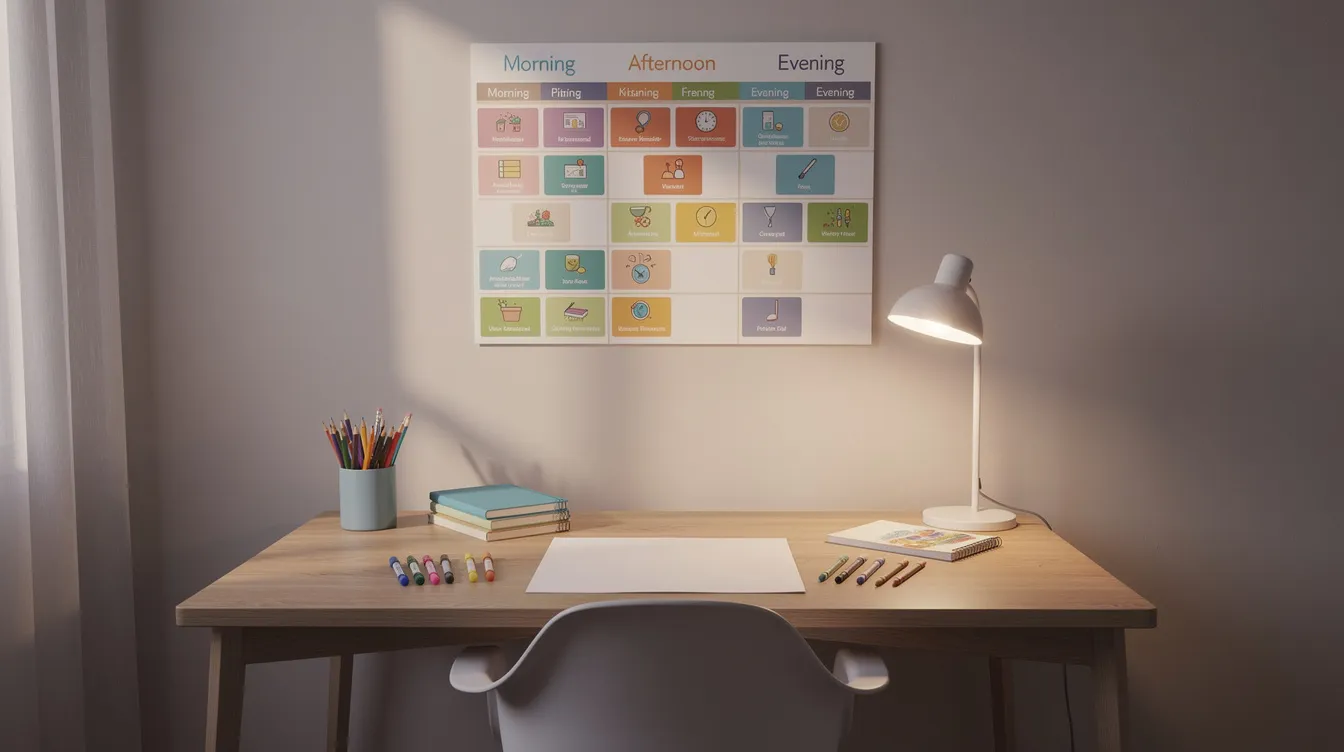
Use visual schedules for afternoons and evenings, mapping out homework blocks, free time, meals, and bedtime. Effective strategies for autistic students include using visual supports and quiet sensory-friendly spaces-this applies at home just as much as at school.
Keep communication low-pressure. Ask specific, gentle questions: “What was the easiest part of your school day?” Accept that some children may prefer non-verbal check-ins or later conversations.
A strengths-based approach incorporates a child’s interests to boost engagement and motivation-even homework can feel less threatening when framed around topics a child genuinely cares about.
Parents, remember your own wellbeing too. Brief breathing exercises, connecting with other parents of children with autism in Singapore, and knowing when to pause a homework battle to preserve connection are all practical strategies that matter.
Working with Your Child’s School: Building a Supportive Team
Successful support for autistic students typically involves collaboration among educators, specialists, and families. Here is how to start that conversation productively.
Request a meeting with the form teacher, SEN coordinator, or Allied Educator. Bring concrete examples-time-stamped notes of after-school meltdowns, physical complaints, or patterns of school attendance decline. Share any assessment reports or observations from external professionals.
Discuss practical classroom adjustments:
- Seating away from noise sources
- Permission to use ear defenders or sensory aids
- Visual timetables and simplified written instructions
- Short movement breaks between tasks
- Access to a quiet corner when overwhelmed
Mainstream teachers are trained to support diverse learners, but they may need specific guidance about your child’s profile. Each primary school in Singapore has SEN Officers, and that number grew to over 660 by 2022. Inclusive education remains the ministry’s priority, and during MOE’s budget debate, then Second Minister for Education emphasised efforts to support students with special educational needs more effectively. Autism awareness training for school staff is one area where many parents advocate for improvement.
Early intervention-especially in lower primary-can prevent escalation to chronic school refusal, depression, or severe mental health challenges in older children. Approach conversations collaboratively while advocating firmly for your child’s right to reasonable adjustments. Customised support is crucial for autistic children’s education, and it begins with the school community acknowledging what each child needs. Individualized supports tailored to the unique needs of autistic students have better outcomes than one-size-fits-all approaches.
Specialised Support Beyond School: How Cognitive Development Learning Centre Helps
While schools can adjust the environment, some autistic children need more targeted support-one-to-one intervention that reduces cognitive fatigue and helps build coping skills at their own pace.
Cognitive Development Learning Centre focuses on strengthening underlying skills-attention, working memory, processing speed, and emotional regulation-rather than simply drilling school content. Programmes are personalised: for example, using visual supports to teach planning, practising transitions in a graded way, or integrating sensory strategies into learning sessions.
Families can explore a comprehensive cognitive assessment to better understand their child’s profile and which aspects of school are most draining. This can inform targeted support that addresses root causes rather than surface symptoms.
Some children benefit from specialised communication and language support to reduce misunderstandings with teachers and peers, which lowers daily stress in mainstream education. For children whose school distress has already led to anxiety, depression, or school refusal, child psychological therapy for school stress can run alongside learning intervention to address emotional wounds and rebuild confidence.
Parents wanting to understand their child’s broader autistic learning profile can find resources that explain how autism shapes learning, attention, and social processing in the classroom.
The goal is not to “fix” the child. It is to reduce the friction between how they learn and how the world expects them to perform-so they can access a good education without sacrificing their emotional wellbeing.
Planning for the Long Term: From Just Coping to Truly Thriving
The goal is not just getting an autistic child back into the classroom. It is helping them feel safe, competent, and authentically themselves in whichever school type they attend.
Think beyond this term’s exams. Plan for transitions-preschool to P1, P6 to secondary school, or mainstream to specialised settings-months in advance. These shifts in school life are where many children lose footing. Only 19.7% of autistic children in one study were advised to attend mainstream schools, yet 45.9% ended up there, sometimes without sufficient developmental support. More children need proactive transition planning, not reactive crisis management.
Gradual indicators of thriving include more spontaneous curiosity about learning, fewer physical complaints, better sleep, more consistent appetite, and genuine enjoyment of at least some parts of the school day.
For some families, thriving may mean exploring alternative paths. Sped schools, smaller-class programmes, or blended support models-each school environment offers a different balance. The local authority and MOE provide pathways, but parents are often the ones who must advocate for the right support.
If you notice persistent patterns of school refusal, chronic distress, or burnout, seek help early. Every child deserves to do more than survive-they deserve to grow. Inclusive techniques, the right support, and additional support at the right time can shift the trajectory entirely.

Frequently Asked Questions
Below are answers to questions parents commonly ask about autism and school coping difficulties in Singapore.
How do I know if my child’s after-school meltdowns are linked to autism or just “normal stress”?
Intensity, frequency, and clear patterns help distinguish autism-related coping overload from typical stress. If meltdowns are consistently worse on specific school days, improve dramatically during holidays, or are accompanied by sensory sensitivities and difficulty with transitions, autism may be a factor. Track behaviours for a few weeks-noting triggers, timing, and duration-and consult a paediatrician or psychologist. A comprehensive cognitive or developmental assessment can clarify whether autism, anxiety, learning differences, or a combination is contributing to difficulties. Many parents find this step brings relief and direction.
My child is undiagnosed but clearly struggling in mainstream school. Do we have to wait for a diagnosis before getting support?
No. Parents do not need to wait for a formal autism diagnosis to start environmental adjustments at home or request practical strategies from the child’s school. Share observed needs-sensory sensitivities, difficulty with transitions, social fatigue-with the child’s teacher so supports can begin while assessment is in progress. Cognitive Development Learning Centre can work with children with or without a confirmed diagnosis, focusing on current coping needs and reducing daily friction in school attendance.
What if the school insists my autistic child is “fine” because behaviour is quiet and grades are acceptable?
Many autistic children internalise distress and mask effectively. School staff may not see the full picture if the child is compliant but exhausted. Share concrete home examples-time-stamped notes of meltdowns, school refusal episodes, or physical complaints like stomach aches-and explain the concept of masking and after-school restraint collapse. Request specific observations from the child’s teacher over several weeks and collaborate on low-impact adjustments. Just because a child is quiet does not mean they are coping well. These are just children doing their best to survive a demanding day.
How can I prepare my autistic child for big school transitions, like moving from preschool to P1 or P6 to secondary school?
Start preparation months in advance. Visit the new campus when it is quiet, take photos of key areas (toilets, canteen, classroom), and create simple social stories about new routines. Liaise early with the new school to share your child’s profile, preferred supports, and triggers. Ask about orientation programmes or staggered starts. Maintaining familiar routines at home during transition weeks helps anchor the child amid many changes.
Is it ever appropriate to consider changing schools if my autistic child is not coping?
Changing schools-between mainstream schools, from mainstream to a SPED school offering the national curriculum, or to a different programme-is a major decision. First exhaust reasonable support options: environmental adjustments, collaboration with teachers, targeted support, and psychological therapy if needed. If a child remains persistently distressed, unsafe, or burnt out despite sustained efforts, it may be worth exploring alternative settings. The right school type should match their sensory, social, and learning profile. The aim is not a perfect fit on day one, but a place where the school community understands and supports your child’s growth over time.
Comments are closed