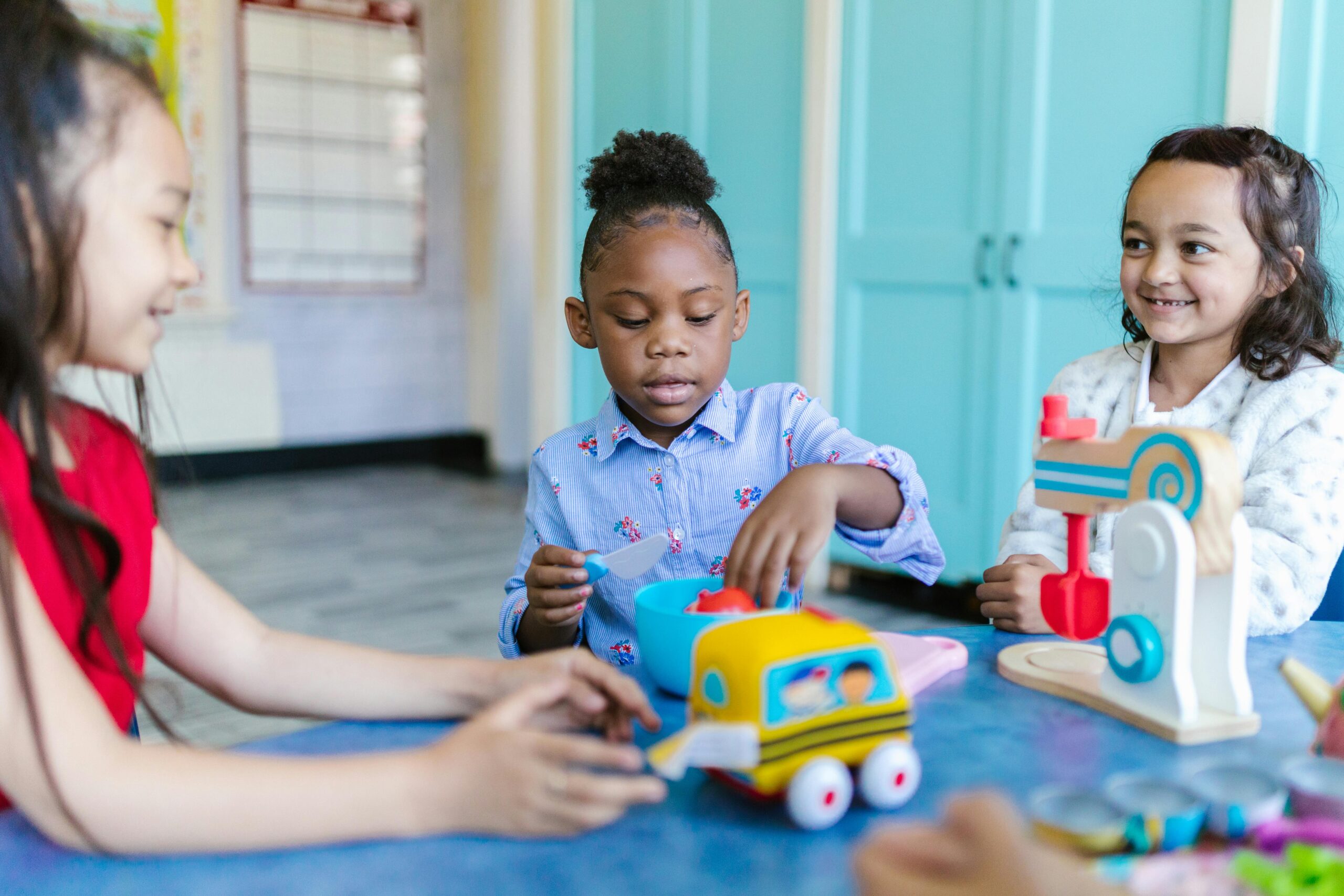
Speech and language skills are essential for communication, learning, and social interaction. Monitoring a child’s speech and language milestones, such as when they begin to use one or two words, is important for identifying typical development and potential concerns. For children with speech delays, language disorders, or communication difficulties, regular practice and early support are crucial. If parents have concerns about their child’s development, they should consult their child’s doctor, who may recommend further evaluation by specialists such as speech-language pathologists, audiologists, or developmental psychologists. Early evaluation and intervention are important for supporting overall child’s development. In recent years, artificial intelligence (AI) has emerged as a powerful tool in speech and language development, offering new ways for children to practise communication in engaging and low-pressure environments.
AI-powered speech therapy apps, pronunciation tools, and conversational bots are increasingly being used to complement traditional therapy and classroom learning. These tools do not replace speech-language therapists, but they can enhance learning by providing more frequent practice, personalised feedback, and interactive experiences.
How AI Supports Speech and Language Development
AI technologies use machine learning and speech recognition to analyse how a child speaks and responds. Based on this input, the system can adjust activities to match the child’s ability level and learning pace. Through advanced data analysis, AI can personalize therapy and support evidence-based interventions by interpreting gathered data to refine treatment plans.
Key functions of AI-based tools include:
- Detecting pronunciation errors
- Modelling correct speech sounds
- Encouraging turn-taking and conversation
- Providing instant feedback in real time to help users improve their skills
- Tracking progress over time
- Problem solving, as AI simulates human intelligence in assessment and intervention processes
This makes AI particularly useful for reinforcing skills taught by therapists or teachers between formal sessions, as these tools engage both children and therapists in the therapy process.
Integrating AI into traditional therapy practices is important to enhance clinical decision-making and improve client outcomes.
AI-Powered Speech Therapy Apps
Speech therapy apps powered by AI can guide children through structured exercises targeting:
- Articulation (correct production of sounds)
- Vocabulary development
- Sentence construction
- Listening and comprehension skills
When comparing features of the best language learning app, it’s important to consider engagement strategies like gamification, AI integration, and unique offerings such as social elements, which can make learning more effective and enjoyable.
Many of these apps use game-like formats, such as earning points or unlocking levels, to motivate children to practise regularly. Lessons are often structured around specific topics, such as ordering food or talking about health, to enhance contextual learning and make the content more relevant. Practising on a regular basis is essential for reinforcing skills and supporting steady progress.
Because feedback is immediate, children can correct mistakes on the spot rather than waiting for the next therapy session. Repeating words and phrases within these lessons helps children improve their speech by reinforcing vocabulary and encouraging imitation of native speakers.
For children who feel shy or anxious about speaking in front of others, practising with an app can reduce pressure and build confidence before using their skills in real-life conversations. While traditional programs like Rosetta Stone offer immersive lessons, newer apps may provide more engaging features and interactive experiences.
Pronunciation and Accent Tools
AI-driven pronunciation tools are especially helpful for:
- Children with speech sound disorders
- Children learning a second language
- Children with limited verbal output
These tools analyse how a word is spoken and compare it with a correct model. Visual cues, such as sound wave patterns or colour-coded feedback, help children understand where they need to adjust their speech. Repetition and guided practice allow them to refine their pronunciation in a structured but supportive way. Talking and repeating words helps children develop their ability to produce sounds and words more clearly, supporting key milestones in early language acquisition.
Over time, this consistent practice can improve clarity of speech and intelligibility.
Conversational Bots for Language Practice
Conversational bots (or chatbots) allow children to practise:
- Asking and answering questions
- Using complete sentences
- Staying on topic
- Turn-taking in conversations
Unlike human conversations, bots are patient and non-judgmental. They do not rush or interrupt, which helps children feel more comfortable experimenting with language. Some bots can be programmed to focus on specific themes such as emotions, daily routines, or storytelling, helping children expand both vocabulary and expressive language skills. These tools also empower children to express their ideas and participate more fully in communication. Additionally, some bots encourage children to point at pictures or objects, reinforcing vocabulary and helping them connect words with their meanings.
This low-pressure environment is particularly beneficial for children with social communication difficulties, including those on the autism spectrum.
Enhanced Assessment Techniques
The digital age has brought a broader range of assessment techniques to speech and language therapy, making it easier than ever to support children’s language development. Today, speech therapists can use advanced technology, such as AI-powered speech recognition software and language learning apps, to analyze a child’s speech patterns and language skills in detail. These digital tools provide data-driven insights and real-time feedback, allowing therapists to pinpoint specific speech and language disorders and tailor therapy sessions to each child’s unique needs.
For example, a language learning app can assess a child’s vocabulary, track their use of single words, two words, and sentences, and highlight areas where they may need extra support. AI tools can also monitor how children respond to simple questions, produce new sounds, or use gestures to communicate. This level of analysis helps speech therapists make informed decisions about therapy plans and monitor progress over time.
Traditional assessment methods remain essential, too. Observing a child’s communication in everyday situations—such as listening to them speak, watching how they interact with others, or noting how they respond to new words—provides valuable context that digital tools alone can’t capture. By combining these approaches, therapists gain a comprehensive understanding of a child’s development and can address a wider range of language disorders.
Parents play a crucial role in supporting their child’s speech and language skills outside of therapy sessions. Engaging in activities like reading a short story together, singing songs with actions, or visiting the local library can introduce new vocabulary and sounds in a fun, low-pressure way. These everyday moments make it a bit easier for children to learn and communicate, reinforcing the progress made during therapy.
It’s also important for parents to be aware of typical language milestones, such as when children usually begin to use single words, combine two words, or start forming sentences. Recognizing these stages helps parents identify any concerns early and seek guidance from a speech therapist if needed. With the right combination of AI tools, traditional assessment, and parental involvement, children can overcome speech and language disorders, improve their communication skills, and reach their full potential.
Benefits of AI for Speech and Language Support
AI tools offer several advantages:
- Personalised learning: Activities adapt to the child’s ability and progress.
- Consistency: Children can practise daily, not just during therapy sessions.
- Motivation: Interactive formats make practice enjoyable and help keep children interested in practicing language skills.
- Accessibility: Families can use tools at home, reducing dependence on clinic-based sessions alone.
- Data tracking: Progress can be monitored and shared with therapists or educators.
These features make AI a valuable supplement to traditional speech and language therapy.
Important Considerations
While AI has many benefits, it should be used thoughtfully:
- AI tools should complement, not replace, professional therapy.
- Screen time should be balanced with real-life communication practice.
- Adult guidance is important to ensure correct usage and meaningful interaction.
- Data privacy and child safety must be carefully considered when choosing apps, as privacy concerns are a significant issue with the integration of AI in speech therapy.
Conclusion
AI-powered speech therapy apps, pronunciation tools, and conversational bots offer innovative ways to support speech and language development in children. By providing personalised practice, immediate feedback, and a low-pressure environment, these tools help children build confidence and strengthen communication skills.
When used alongside professional therapy and everyday conversation, AI can play a valuable role in helping children find their voice and express themselves more clearly in the world around them.
Comments are closed