Learning Anxiety in Singapore’s High-Pressure Education System
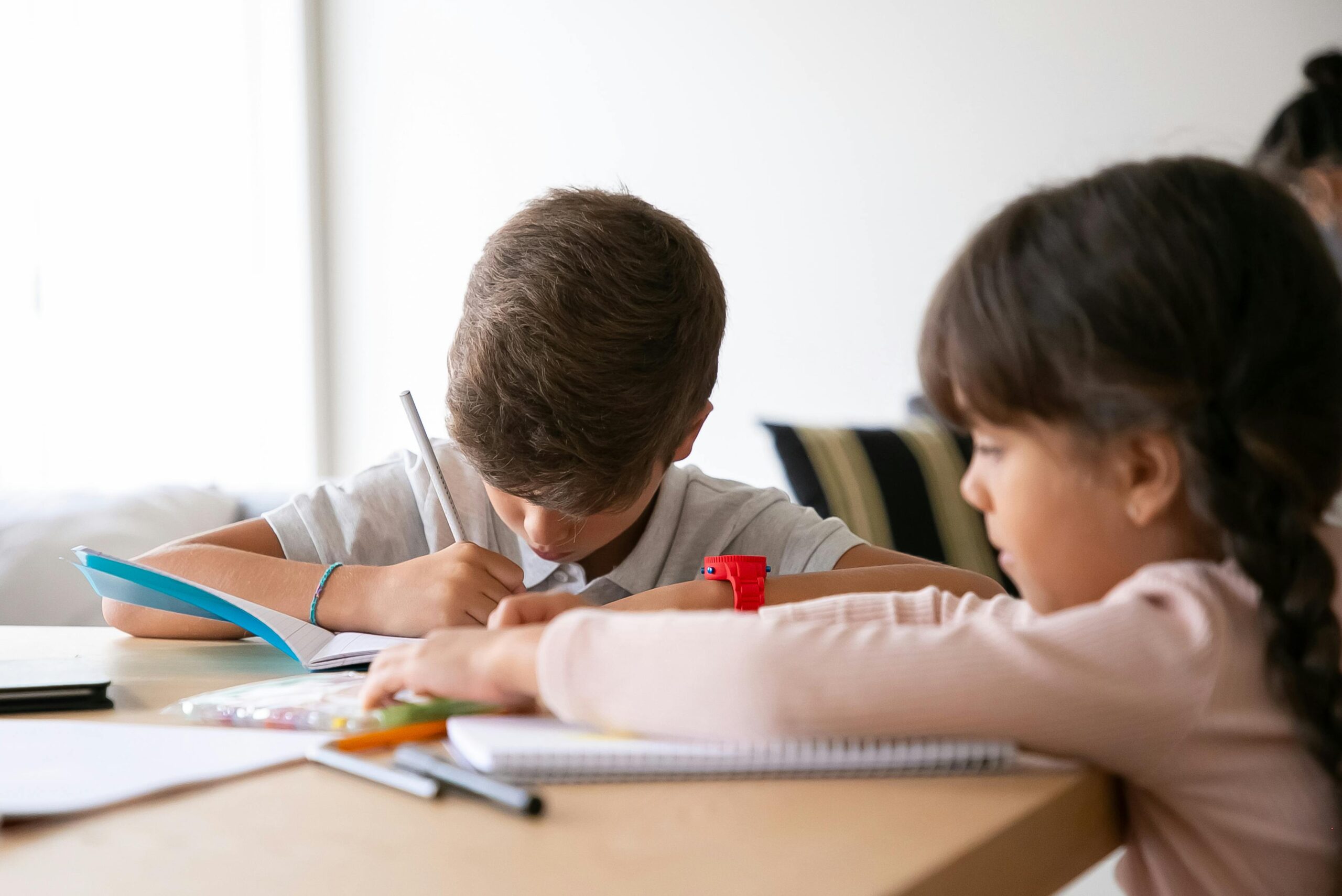
Picture a Primary 6 student in Singapore, three months before PSLE. Between school, CCA commitments, and tuition classes, she barely has time to breathe. The fear of disappointing her parents, falling behind her peers, or not making it to her preferred secondary school keeps her awake at night.
This scenario is familiar across Singapore’s education landscape. Common sources of anxiety include fear of failure, packed schedules, high parent expectations, and constant comparison with classmates. In a city-state aggressively building a Smart Nation, the pressure to perform academically remains intense.
Enter AI in education as a new support layer. Under Singapore’s EdTech Masterplan 2030, MOE is transforming education through technology—not to replace human connection, but to augment learning in ways that can actually reduce stress. Educational institutions around the world are also adopting AI and related technologies to enhance both learning experiences and credentialing processes. This article explores how AI-based support, when designed responsibly, can help students thrive rather than merely survive.

The EdTech market is projected to reach US$598.82 billion by 2032, with an annual growth rate of over 17%. This rapid expansion highlights the increasing importance and adoption of AI in education globally.
How AI-Based Support Eases Everyday Learning Stress
Several AI tools are now available to students in Singapore schools. These include:
- Student Learning Space (SLS): The national digital learning platform providing resources for all MOE schools
- Adaptive Learning System (ALS): Personalised practice for Mathematics and Geography
- Short Answer Feedback Assistant (FA-Math): Step-by-step guidance for mathematics questions
- Authoring Copilot: Helps teachers create lesson plans efficiently
These tools are feedback based, providing tailored recommendations and assessments to students based on their individual progress. They also offer integration with existing educational platforms, enhancing collaboration and curriculum alignment.
The 24/7 availability of these tools is a powerful tool for anxiety reduction. Students no longer need to wait until the next day’s class to get help, nor do families need to afford expensive tuition to access support. AI tutors are more affordable than traditional tuition, which cost Singapore households S$1.8 billion in 2023.
AI tutors provide tailored support to students, allowing them to learn at their own pace and style. They can automate routine tasks, freeing up teachers to focus on direct student interaction and mentorship. AI tutors are increasingly being used to support self-directed learning, enabling students to review topics independently before class.
Consider a Secondary 2 student struggling with algebra before mid-year exams. Using an AI assistant through SLS, she asks for clarification on a confusing concept at 9pm. The tool provides instant feedback with step-by-step explanations, allowing her to understand her misconceptions before the exam. No judgment, no embarrassment—just support.
These systems use student data to track performance and inform personalised instruction, ensuring that support is targeted and effective.
AI chat-style interfaces serve as non-judgmental partners for asking “silly questions” that students may be too shy to raise in class.
Personalised Learning Paths: Turning Confusion into Confidence
The adaptive learning system deployed in Singapore schools works by diagnosing specific knowledge gaps and adjusting difficulty accordingly. Currently available for Primary 5 to Secondary 2 Mathematics and Upper Secondary Geography, ALS creates personalised learning experiences tailored to each student’s ability.
Here’s how it reduces anxiety:
| Traditional Learning | AI-Adaptive Learning |
|---|---|
| One pace for all students | Students learn at their own pace |
| Gaps accumulate over time | Gaps identified and addressed immediately |
| Risk of feeling “left behind” | Continuous progress visibility |
| Infrequent feedback | Small, frequent wins build confidence |
This approach suits diverse learners—high-ability students who need acceleration, children with mild learning difficulties, and those transitioning between streams. The emotional impact is significant: small, frequent wins from correctly answered practice questions gradually rebuild self-efficacy and reduce test-related anxiety.
Creating Psychologically Safe Classrooms with AI
Psychological safety—a shared belief that the team is safe for interpersonal risk-taking—is essential for reducing anxiety. Creating a psychologically safe environment can lead to increased engagement, creativity, and collaboration among students. AI tools can support this environment in several ways:
Clarity of expectations:
- Structured lesson flows on SLS with visible learning goals
- Clear rubrics embedded in feedback assistants
- Transparent criteria applied consistently
Students are more likely to thrive when they feel safe to ask questions and seek clarification. A psychologically safe environment also encourages students to express their emotions and better understand their emotional responses.
Teacher practices using AI:
- Using Data Assistant to identify whole-class misconceptions without shaming individual students
- Reviewing analytics to spot patterns and adjust teaching strategies
- Creating space for questions by normalising confusion as part of learning
- Facilitating class discussions in a safe environment promotes inclusivity and helps students develop confidence in expressing themselves. Encouraging students to contribute their ideas and efforts enhances an inclusive and engaging environment.
Self-reflection prompts:
- AI-generated “traffic light” style reflections help students monitor their emotions
- “Glows and grows” prompts encourage students to identify strengths and areas for improvement
- Regular check-ins help students become aware of their learning habits
- Nurturing a growth mindset empowers students to take risks and improve self-awareness.
- Providing positive feedback in a psychologically safe environment helps students learn from their mistakes and grow.
- Encouraging students to share their ideas freely supports collaboration and self-expression.
These strategies help educators engage students in an environment where mistakes are learning opportunities rather than failures. Creating a psychologically safe environment takes time and effort, but the benefits—including increased engagement—are well worth it.
Human–AI Partnership: Teachers, Parents, and Counsellors Still Matter
AI cannot replace the empathy, moral guidance, and motivational support that human relationships provide. The key is a “human in the loop” approach:
For teachers:
- Review AI-generated insights from tools like Data Assistant
- Use Authoring Copilot to free time for one-to-one emotional check-ins
- Focus on the understanding and support that only a person can provide
For parents:
- Set boundaries around AI tutor use
- Discuss AI answers with children to develop critical thinking skills
- Reinforce healthy attitudes toward mistakes
For counsellors:
- Interpret stress signals that AI analytics may flag
- Integrate digital support into overall care plans
- Lead conversations about healthy technology relationships

A hybrid model works best: a Secondary 3 student might use an AI tutor during the week for practice, followed by weekly in-person consultations with a school teacher to address deeper concerns.
Managing Risks: Avoiding Shortcut Thinking and New Forms of Stress
While AI offers benefits, educators and families must remain aware of potential risks:
- Over-reliance: Students may seek direct answers rather than developing problem-solving skills
- Shortcut thinking: Using AI to avoid the cognitive work that builds genuine understanding
- Data tracking anxiety: Feeling monitored can increase rather than decrease stress
- Comparison via scores: AI-generated metrics may fuel unhealthy competition
Concrete guardrails to implement:
- Choose tools with explanations-first design
- Require mandatory working steps for mathematics problems
- Include reflection questions after AI support
- Teach students to critically evaluate AI responses and recognise hallucinations
From 2026, Singapore secondary schools have stricter smartphone rules outside lessons to curb distractions. This reflects the need for balanced schedules combining offline revision, physical activity, and AI-supported study.
Ethical and Safe AI Use Under Singapore’s National AI Strategy
Singapore’s approach to artificial intelligence in education is guided by clear ethical frameworks. MOE’s AI-in-Education framework emphasises four pillars: Agency, Inclusivity, Fairness, and Safety (AIFS).
Key protections in place:
- Local platforms follow strict PDPA data protection standards
- Schools restrict unsupervised use of general-purpose AI chatbots for younger learners
- MOE-approved tools have built-in security guardrails protecting against data breaches and harmful content
Importantly, school-provided AI tools help level the playing field. Students from lower-income families who cannot afford premium AI tutors gain access to the same 24/7 support as their peers. This contributes to more equitable learning outcomes across the community.
Practical Tips for Students and Families in Singapore
Here’s a hands-on guide for integrating AI support effectively:
Establish healthy routines:
- Use 20-minute AI-supported revision blocks with breaks between
- Ask AI to explain concepts first, then attempt similar questions without help
- Review AI feedback with a parent once a week
Questions to ask AI tools:
- “Can you break this problem into smaller steps?”
- “Can you give me an easier starting question on this topic?”
- “What resources can I explore to understand this better?”
Warning signs to watch for:
- Frustration when AI is unavailable
- Obsessing over AI-generated scores
- Avoiding independent practice entirely
Create a family AI use agreement covering:
- When AI tools can be used (time of day, subjects)
- How long per session
- What purposes are appropriate during exam periods
When concerns arise, encourage students to seek help from teachers or counsellors.

Future Outlook: Towards Calmer, More Inclusive Learning in 2030 and Beyond
By 2030, Singapore’s EdTech Masterplan aims to normalise AI as a supportive learning tool rather than a novelty. Future developments may include AI that can detect early signs of burnout—such as sudden drops in engagement or erratic study patterns—and trigger gentle nudges to educators.
Multilingual AI support could help students who speak languages other than English at home or struggle with academic language in specific subjects like mathematics or science.
Final Thoughts
The process of transforming education through AI isn’t about creating perfect students or eliminating all challenges. It’s about giving young people the tools and support to develop skills and knowledge while maintaining their wellbeing.
Ultimately, when AI tools are implemented with thoughtful educational leadership, clear informed decisions about governance, and genuine human oversight, they lead to calmer, more inclusive discussion forums for learning. The goal is to help every student in Singapore not just survive their educational journey, but truly thrive.
The invitation extends to educators, parents, and policymakers: collaborate on building emotionally healthy AI-enhanced classrooms where the curriculum serves students, not the other way around.
FAQ
Does using AI tools actually reduce my child’s exam anxiety, or will it make them more dependent?
Research-backed mechanisms show that consistent practice, immediate feedback, and personalised pacing decrease uncertainty and fear of failure. Dependency typically arises when AI is used to get direct answers without understanding. When designed to prompt reasoning and reflection, AI builds independence instead. A simple rule: have your child use AI to explain concepts, then require them to attempt similar questions without assistance.
Are AI tutors and education apps recognised by schools in Singapore?
MOE-provided tools like SLS, ALS, and FA-Math are used directly in national schools. While MOE does not endorse specific commercial brands, schools often recommend features that align with syllabus requirements and ethical guidelines. Check with subject teachers or the school ICT department if you’re unsure about a particular app’s suitability for most subjects your child studies.
How can I tell if an AI-generated explanation is correct and aligned with the MOE syllabus?
Cross-check AI explanations with official textbooks, school notes, or past-year papers from SEAB for PSLE, O-Levels, and A-Levels. Ask AI specifically to show working steps that match methods taught in class. If explanations conflict with classroom teaching, encourage students to bring these to their teachers for clarification rather than relying blindly on the tool.
What about data privacy when using AI platforms?
Local platforms aligned with MOE and GovTech follow strict PDPA regulations. For commercial apps, check privacy policies regarding what data is collected, where it’s stored, and whether it’s used for advertising. Use school-provided accounts where possible and avoid sharing NRIC numbers or detailed personal information on external platforms.
Can AI help students who already see a counsellor or have diagnosed anxiety?
AI tools are not a replacement for professional psychological support or therapy. However, they can complement counselling by offering structured revision plans and reducing homework stress. Inform counsellors about the AI tools being used so digital support integrates safely into the overall care plan and life strategies for managing anxiety.
Comments are closed