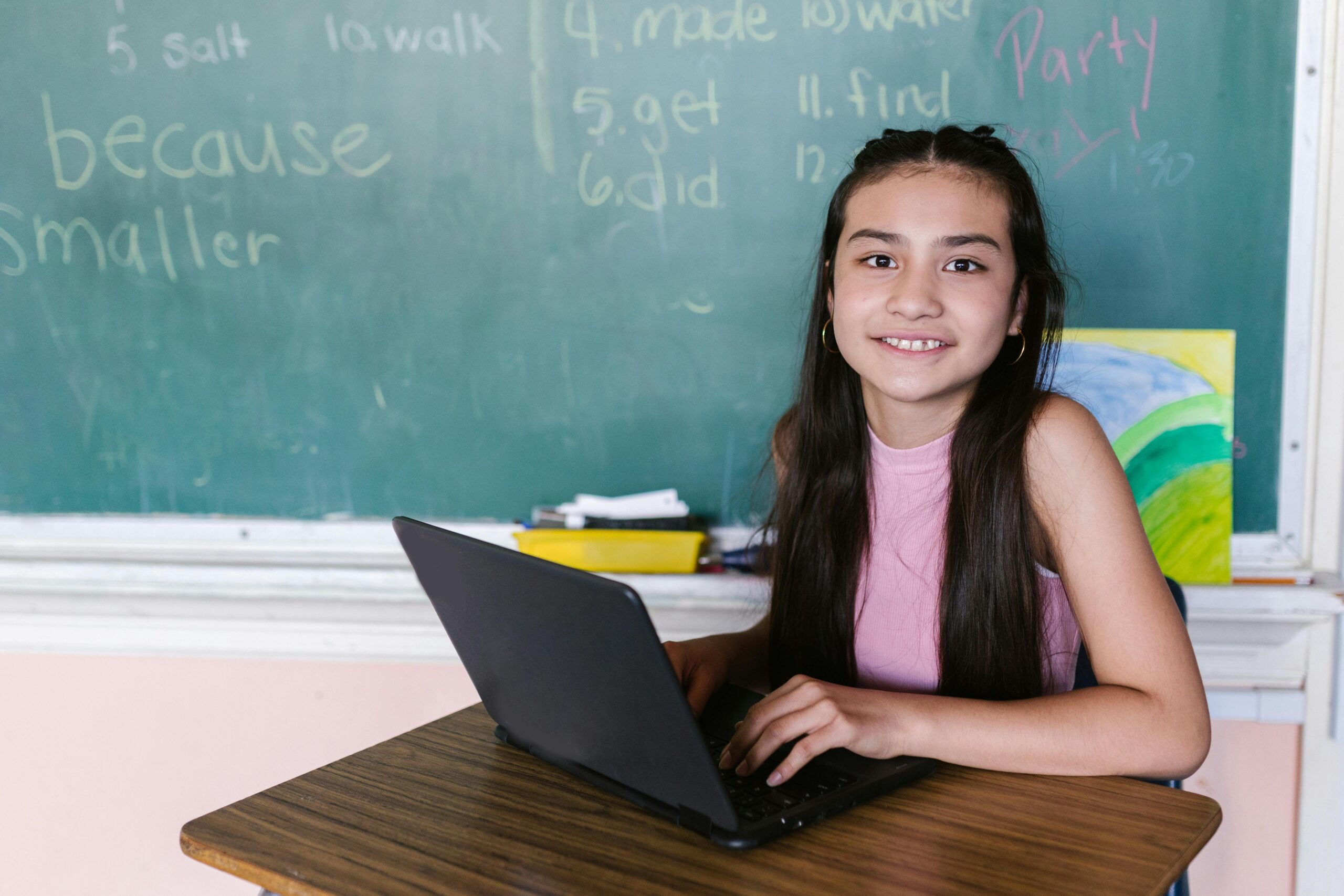
Every child learns differently, and for children with learning difficulties, a one-size-fits-all approach often falls short. Traditional classrooms move at a fixed pace, which can leave some students struggling to catch up while others become disengaged because the content isn’t challenging enough. Fortunately, the rise of AI-powered personalised learning is changing the way children access and engage with education. By adjusting lessons in real time to match each child’s pace and learning style, AI is helping make learning more effective, inclusive, and enjoyable.
Personalised learning addresses diverse learning needs by providing tailored content and support, ensuring that all students—regardless of their background or ability—can achieve better educational outcomes. This is especially important in the context of the global learning crisis, where many students in low- and middle-income countries face significant barriers to quality education.
The COVID-19 pandemic has further highlighted the importance of technology in supporting personalised learning, as schools worldwide turned to digital solutions to maintain learning continuity.
However, there is a need for clear evidence on pedagogically appropriate, cost-effective digital personalised learning to guide investment in these programs, particularly in low- and middle-income countries.
How AI Enables Adaptive Learning
AI-driven learning platforms use advanced algorithms to continuously analyse a child’s interactions with the content. These adaptive learning platforms operate in real-time, providing content and adjusting its presentation based on the platform’s assessment of the learner’s mastery of the material. Every response, pause, or repeated attempt provides data about how the child understands and processes information. Based on this data, the system can make adjustments automatically.
Adaptive learning platforms utilize AI models, data science, and data-driven insights to personalize learning experiences. These technologies enable the system to analyze learner profiles, track progress, and provide educators with actionable analytics for informed decision-making.
For example:
- Slowing Down Lessons: If a child struggles with a particular concept, the AI can slow the pace, giving them more time to absorb the material.
- Repetition of Key Concepts: AI can repeat lessons or concepts in different formats, such as switching from text to visuals, adding audio explanations, or creating interactive quizzes.
- Adaptive Difficulty: If a child masters a topic quickly, the AI can introduce more challenging material, keeping them engaged and preventing boredom. Adaptive learning platforms also provide accelerated paths for advanced learners, ensuring high-achieving students remain challenged.
Within adaptive learning platforms, adaptive assessments dynamically evaluate student responses in real-time, personalizing the difficulty and sequencing of questions to improve outcomes. Learner profiles are continuously updated through data mining, allowing the system to adapt content and strategies to each individual’s needs.
This adaptability ensures that each child’s learning experience is tailored to their unique needs, rather than forcing them to conform to a rigid curriculum. Adaptive learning works by leveraging advanced technologies, such as AI and machine learning, to make real-time adjustments and create personalized learning pathways for every student.
Key Features of Learning Platforms
Modern learning platforms are designed to deliver a truly personalized learning experience, harnessing the power of adaptive learning and artificial intelligence to meet the diverse needs of every student. At the heart of these platforms are several key features that make learning more flexible, engaging, and effective.
Adaptive learning is a cornerstone of these platforms, allowing students to progress at their own pace. Whether a student needs extra time to master a concept or is ready to tackle more advanced material, the adaptive learning system adjusts the difficulty level and content in real time. This ensures that every learner receives relevant learning materials tailored to their current understanding and learning goals.
Personalized learning goes beyond pacing. Learning platforms use machine learning algorithms and deep learning techniques to analyze each student’s performance, preferences, and learning styles. This data-driven approach enables the platform to recommend personalized learning pathways, suggest relevant training content, and provide targeted support where it’s needed most. As a result, students are more likely to stay engaged and achieve higher performance.
Real-time feedback is another essential feature. As students interact with learning materials—whether through quizzes, interactive simulations, or collaborative activities—they receive instant, personalized feedback. This helps them track their learning progress, identify areas for improvement, and celebrate their achievements along the way.
To foster meaningful interactions and collaborative learning, many platforms include discussion boards and group projects. These tools encourage students to share ideas, solve problems together, and develop important social skills, all within a supportive digital environment.
Interactive simulations and gamified activities make learning more engaging and memorable. By allowing students to experiment, make decisions, and see the outcomes in a risk-free setting, these features promote deeper understanding and knowledge retention.
Behind the scenes, data analytics and AI tools empower teachers and instructional designers to identify skills gaps, monitor learner performance, and tailor interventions for individual needs. This not only saves time on administrative tasks like grading but also ensures that every student receives the support they need to succeed.
Benefits of Adaptive Learning for Children with Learning Difficulties
Children with conditions such as dyslexia, ADHD, or other learning challenges often require more flexible and responsive teaching approaches. Effective learning for these children depends on access to diverse learning resources and well-structured learning content that can be adapted to their unique needs. AI personalisation helps in several key ways:
- Reduced Anxiety and Frustration: Learning at their own pace allows children to understand concepts thoroughly without feeling pressured or left behind.
- Increased Motivation and Engagement: Interactive and gamified lessons keep children interested and motivated, transforming learning into an enjoyable experience.
- Confidence Building: Children gain confidence as they experience success in a personalised learning environment where their progress is measured against their own growth, not that of their peers.
Personalised training programs and clear learning objectives further support these children’s progress by ensuring that each step of their learning journey is tailored to their abilities and goals. This structured approach helps guide learners through appropriate learning content and assessments, maximizing their potential for success.
For instance, a child with dyslexia may struggle with reading-heavy content. AI can automatically provide audio narration, phonetic cues, or visual aids to make comprehension easier. A child with ADHD might benefit from short, interactive lessons that break down complex topics into manageable chunks. These personalised approaches give every child the tools they need to succeed.
Supporting Parents and Educators
AI doesn’t just help students—it also supports teachers and parents. With real-time analytics and progress reports, educators can:
- Identify areas where a child needs additional help
- Track improvements over time
- Tailor interventions without adding unnecessary pressure
AI-powered platforms leverage data analysis and data-driven insights to help educators make informed decisions about each learner’s needs and progress.
A user-friendly interface is essential for parents and teachers to easily access analytics and progress reports, making it simple to monitor and support each child’s development.
Parents, meanwhile, gain insight into their child’s learning journey, allowing them to reinforce concepts at home and celebrate achievements. This level of transparency and data-driven insight helps create a collaborative learning ecosystem where children, parents, and teachers all work together toward the child’s success.
While AI can automate routine tasks and provide valuable insights, the human touch and human interaction remain crucial for supporting children’s learning journeys, fostering social skills, and ensuring personalized support.
Real-World Examples of AI in Action: Real Time Feedback in Education
Several AI-powered platforms are already transforming learning for children with difficulties. Generative AI and advanced content creation tools are now used to develop engaging, personalized learning resources that adapt to each learner’s needs:
- Adaptive Math Platforms: Some math apps adjust question difficulty based on a child’s performance. If a child struggles with fractions, the system will offer more guided practice and visual explanations. These platforms often source diverse learning resources from external providers, ensuring a rich and varied content library.
- Reading Support Tools: AI platforms can detect reading speed, comprehension, and pronunciation issues, adjusting content to include audio narration, simplified text, or interactive quizzes. Generative AI helps create tailored reading materials and activities, drawing from a wide range of learning resources.
- Gamified Learning Platforms: Children with attention challenges engage more when lessons are gamified. AI adapts the content, offering rewards and challenges that maintain motivation while reinforcing key skills. Many platforms integrate training courses and social learning features, allowing students to collaborate, share progress, and participate in informal learning communities.
These examples show that AI isn’t just theoretical—it’s already creating real, measurable improvements in children’s learning outcomes.
The Future of AI and Personalised Learning
The potential for AI in education goes beyond just adapting lessons. The adaptive learning platform market is expected to grow rapidly, reaching $5.47 billion by 2032, reflecting the increasing adoption of these technologies. As AI systems learn more about a child’s strengths, weaknesses, and learning patterns, they can use learner profiles to:
- Predict which concepts a child might struggle with next
- Suggest interventions proactively before difficulties become frustrating
- Provide long-term learning pathways tailored to individual career or academic goals
- Tailor activities such as quizzes and summaries to align with the individual learner’s needs and the curriculum, leveraging a teacher-curated Knowledge Base
AI-powered adaptive learning is transforming both formal education and professional development by personalizing the learning process for each individual learner. No-code development is making it easier for educators to customize AI tools and workflows, making these solutions accessible even to those without technical backgrounds. These advancements help save time for both teachers and students by allowing learners to skip familiar content and focus on areas that need improvement, increasing overall productivity.
This means personalised learning powered by AI can grow with the child, continuously adapting as their abilities develop and optimizing instruction based on each student’s strengths. It’s not just a tool for catching up—it’s a system designed to help every child reach their full potential.
AI Enhances, Not Replaces, Teaching
It’s important to remember that AI is a tool, not a replacement for teachers. While AI can automate routine tasks and support personalised lesson delivery, the human touch and human interaction remain essential for nurturing curiosity, emotional growth, social skills, and collaborative learning. Human guidance is fundamental in providing nuanced decision-making, coaching, and truly personalised support.
Powerful tools like the Authoring Copilot (ACP) leverage AI and Large Language Models to streamline and automate lesson planning for educators, enhancing efficiency and flexibility in lesson design, and supporting teachers in complex problem solving and step-by-step reasoning processes.
Despite the promise of EdTech, achieving sustainable and positive change at scale in education has largely proved elusive in practice.
Key takeaways: Adaptive learning platforms powered by AI can personalize education, provide targeted support, and offer real-time insights for both students and educators. These innovations help reduce time spent on repetitive tasks such as grading and feedback, allowing teachers to focus more on student learning and individualized instruction.
For children with learning difficulties, AI-powered personalised learning offers a way to transform education. By adapting lessons in real time, providing targeted support, and making learning engaging, AI ensures that every child can learn at their own pace. Parents and educators gain insights that allow for more effective interventions, while children gain confidence, motivation, and a sense of achievement.
Adaptive learning platforms can also make higher education more accessible by reducing costs and supporting improved learner outcomes. However, while significant financial resources are being invested in digital personalised learning programs, there is still no clear evidence on their effectiveness in low- and middle-income countries.
As AI continues to evolve, its ability to create truly inclusive, responsive, and adaptive learning experiences will only grow, helping more children overcome challenges and unlock their full potential. The future of education is personalised, and AI is leading the way.
Comments are closed