-
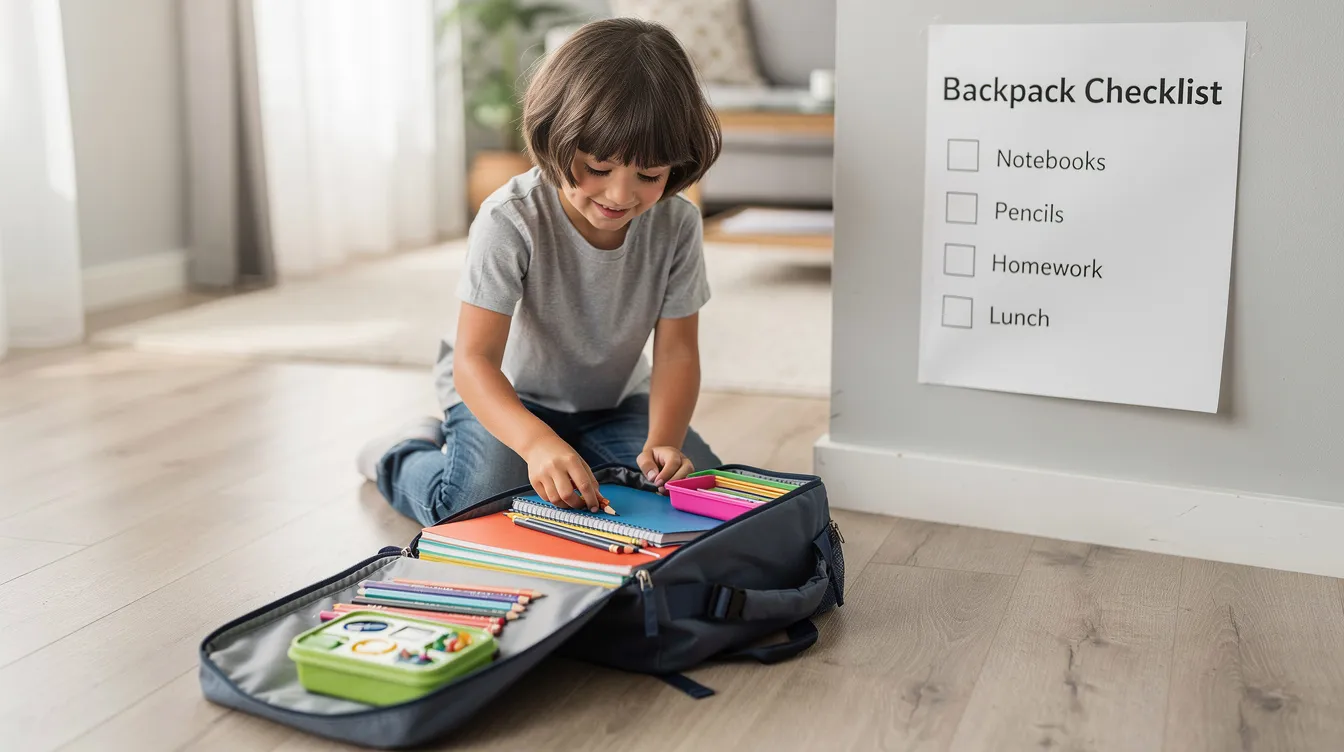
How to Build Executive Function Skills: Practical Strategies for Kids and Teens
Key Takeaways Executive function skills—including planning, working memory, cognitive flexibility, and inhibitory control—can be strengthened at any age through consistent, everyday practice. Concrete tools like checklists, planners, visual schedules, and timers support a child’s executive functioning skills at home and school, with research showing children who follow daily routines exhibit a 30% improvement in time…
-

What to Stop Doing If a Child Is Struggling to Learn
When a child struggles academically, adults often focus on adding more—more tutoring, more practice, more pressure. But what you stop doing may be just as critical as any new strategy you try. Avoiding practices that increase anxiety, damage self-esteem, or create conflict is crucial when a child is having difficulty learning. This guide covers the…
-
Teaching Children to Check Their Own Work: Practical Strategies for Home and Classroom
Key Takeaways Teaching children to check their own work is an executive function skill tied directly to self monitoring and long-term independence. Here’s what you need to know: Replace vague reminders like “look it over” with clear routines such as the three levels of checking, visual checklists, and structured self checks Interactive modeling—showing kids exactly…
-
Effective Learning Strategies for Children: A Practical Guide for Parents and Teachers
Key Takeaways Effective learning for children combines active learning, play, and routine, supported by adults who encourage students through praise and clear expectations. Differentiated instruction and culturally responsive teaching are essential to help students with diverse needs, languages, and backgrounds reach strong academic achievement. Collaborative learning, brainstorming sessions, and peer teaching build confidence, critical thinking,…
-
Early Intervention Doesn’t Mean Something Is ‘Wrong’ With Your Child
When parents first hear the words ‘learning assessment’ or ‘early intervention’, a quiet fear often surfaces: Does this mean something is wrong with my child? It is one of the most common concerns we encounter at Cognitive Development Learning Centre — and one of the most important to address honestly. Because the short answer is…
-
How to Give Instructions to Children (That They Can Actually Follow)
Getting children to follow directions can feel like a daily battle—whether you’re trying to get out the door by 8:15am on a Monday morning or asking a class to line up quietly after lunch. The good news? A few simple changes to how you give instructions can make a real difference. This guide walks through…
-
From Frustration to Progress: Shifting How We Support Children Who Learn Differently
Key Takeaways Learning difficulties are differences in how the brain processes information—not a lack of intelligence or effort Shifting from a “fixing deficits” mindset to building on a child’s strengths transforms daily battles into steady progress Early, evidence-based support at home and school can significantly improve both academic performance and emotional wellbeing Practical adjustments like…
-
Learning Intervention Singapore: Your Essential Guide for 2026
Key Takeaways Learning intervention in Singapore spans early intervention services for ages 0–6 and school-age support for children 7–12 and above. Learning intervention programs in Singapore target early childhood to primary school, focusing on literacy, numeracy, and social-emotional skills. Early identification and support through learning intervention can significantly improve a child’s life, overall development, and…
-
AI for Learning Difficulties: Can It Replace Tuition? A New Era for Children
Key Takeaways AI will not fully replace human tuition in 2026, but it can radically change how children with dyslexia, ADHD, autism, and other learning difficulties receive support at home and school. AI works best as a “co-tutor” alongside parents and teachers who provide emotional guidance, motivation, and supervision that technology cannot replicate. Current ai…
-
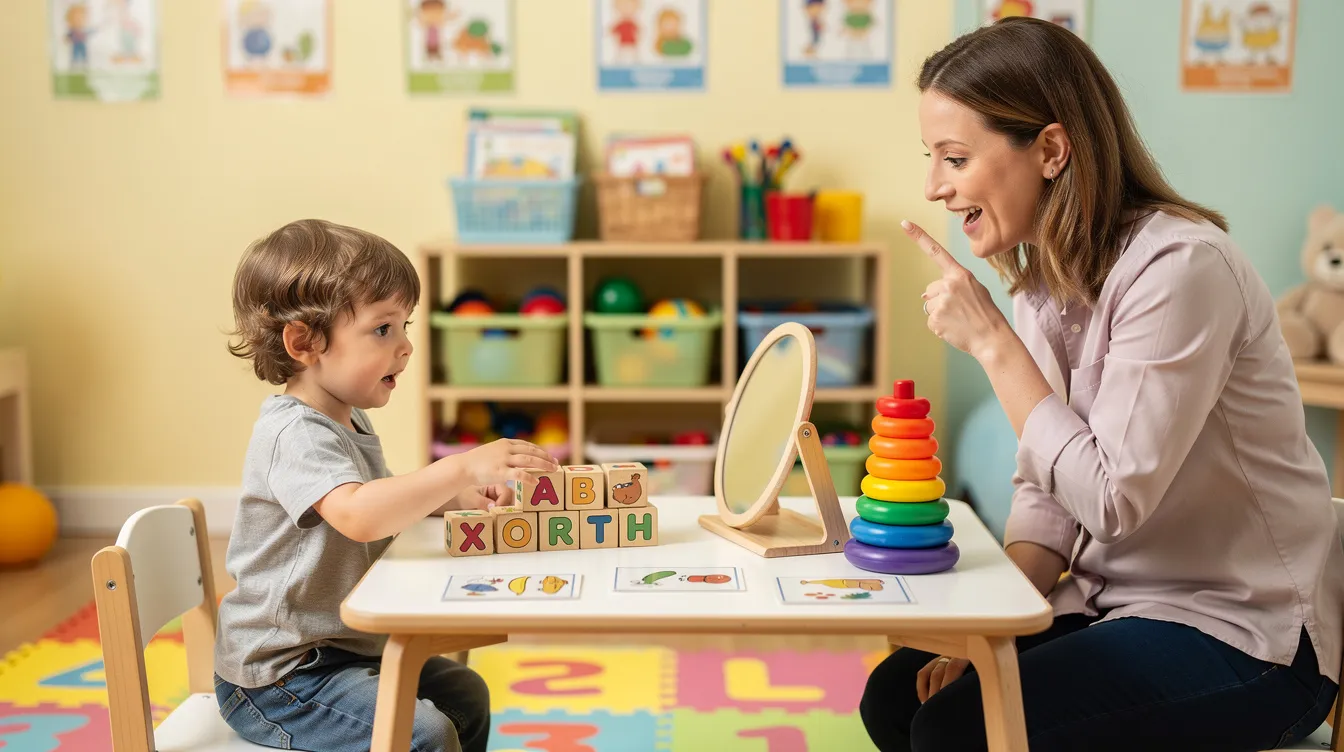
Boost Your Child’s Speech Language Development Journey
Understanding speech and language development is one of the most important things you can do as a parent. Whether you’re welcoming a baby in 2026 or watching your toddler grow, knowing what to expect—and when to seek help—can make all the difference. Early childhood is a critical period for speech and language growth, as experiences…