-

Tuition vs Intervention or Therapy? A Parent’s Framework for Choosing the Right Support for Your Child
Key Takeaways Tuition reinforces subject-specific knowledge and helps with exam preparation, but it assumes your child’s underlying learning processes are functioning well. Learning intervention and educational therapy target root causes of academic struggles – such as dyslexia, weak working memory, processing speed, and executive functioning – rather than re-teaching curriculum content. Therapy (psychological, occupational, or…
-

Why Some Children Learn Best Through Hands-On Activities
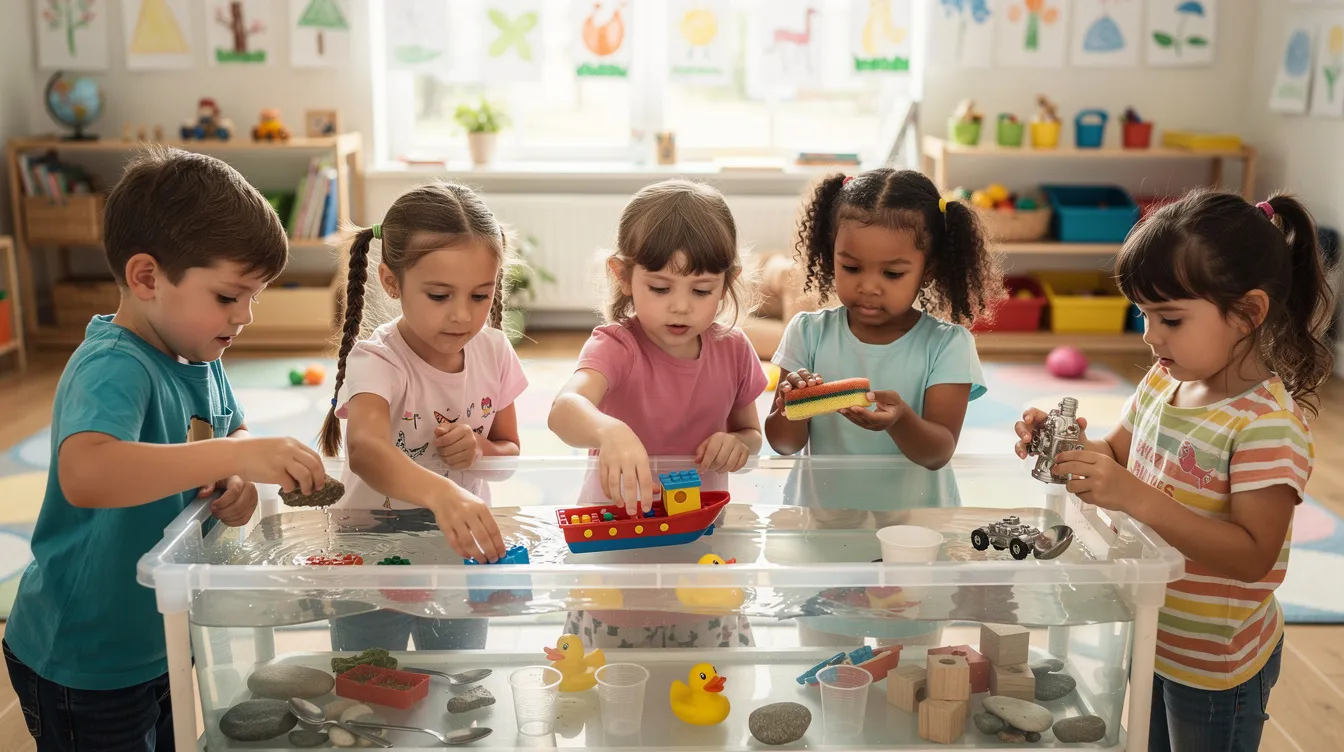
Key Takeaways Many children in early childhood learn best through hands on activities because their brains are wired for movement, sensory input, and active learning rather than sitting still and listening. Hands on activities make abstract concepts like number, time, and gravity concrete, strengthening cognitive development, executive functioning skills, and fine motor skills along the…
-
Learning Difficulties in Children Singapore: Key Strategies
Learning Difficulties in Children Singapore: A 2026 Roadmap for Parents Key Takeaways Children in Singapore frequently face various learning difficulties-including dyslexia and ADHD-that tuition alone cannot fix. Parents need a structured roadmap, not more drilling. Learning difficulties in children Singapore often involve reading, writing, math, attention, or organisation, and typically become more visible around Primary…
-
Signs a Child Is Not Coping in School (Singapore Primary School Guide)
Signs a Child Is Not Coping in School (Singapore Primary School Guide) Key Takeaways Sudden homework battles and avoidance are often the first signs a child is not coping in school – not laziness, but a stress response to learning overload. School anxiety symptoms such as morning stomach aches, Sunday night tearfulness, and mood swings…
-
Understanding Reading Comprehension Difficulties: Causes and Solutions
Reading Comprehension Difficulties in Upper Primary: Why Fluent Readers Still Fail Exams Key Takeaways Many Primary 4–6 students in Singapore read fluently yet still fail English comprehension, math word problems, and science questions – the issue is rarely about decoding words, but about processing meaning from increasingly complex texts. The shift from “learning to read”…
-
Understanding Your Child Avoiding Homework: Strategies for Success
Child Avoiding Homework: Understanding Focus, Executive Function and What Parents Can Do Key Takeaways A child avoiding homework is almost never being lazy. Cognitive depletion, emotional overload, and environmental distractions are the real drivers behind after-school resistance. By 4:00–5:00 p.m. on a school day, many children have exhausted the brain functions responsible for task initiation…
-
Child Focus Problems in Primary School: When Classroom Attention Gaps Need Extra Support
Key Takeaways Lower primary attention span is still developing between ages 6 and 9, but persistent attention problems across Primary 1 to Primary 3 often signal underlying cognitive bottlenecks rather than laziness or defiance. Common classroom distraction signs include unfinished worksheets, missed multi-step instructions, and consistent “zoning out” during whole-class teaching over several weeks or…
-
How Anxiety Affects Learning and Memory (Especially in Children)
Key Takeaways Mild anxiety can temporarily sharpen attention and memory, but chronic or excessive anxiety disrupts encoding, consolidation, and recall of new information. The stress response floods the brain with adrenaline and cortisol, altering how the hippocampus and prefrontal cortex process and store memories. A child’s anxiety in the classroom often looks like inattention, disruptive…
-
How to Create a Learning Friendly Environment at Home
Key Takeaways A learning friendly environment at home starts with a predictable daily routine and a dedicated learning space—even a quiet corner of the living room works. Parents play a vital role in making learning a natural part of daily routines. Everyday tasks in 2026 family life (cooking dinner, grocery shopping, walks to the park)…
-
How to Teach Planning and Organisation Skills
Many children and teens know the academic content perfectly well—yet they still hand in work late, forget their sports kit, or find themselves scrambling at the last minute. Students who lack planning and organization often feel overwhelmed, even when they understand the material, indicating that executive function skills are crucial for managing time and tasks…