-

Smooth Transitions: A Parent’s Guide to Preparing Children for the New School Year in Singapore
Transitioning into a new school year can bring anticipation and anxiety in equal measure. For families in Singapore, the shift from relaxed holiday mornings to 6 a.m. alarms, packed timetables, and mounting academic expectations hits fast. This guide gives you a clear, pillar-based framework for preparing children for the new school year in Singapore-one that…
-

Turning the Tide: From School Anxiety to Genuine School Confidence
Every parent wants their child to walk into school feeling ready, not afraid. Yet for many families in Singapore, the school day begins with tears, stomach aches, and whispered pleas to stay home. The journey from school anxiety to school confidence is not about pushing harder or piling on more tuition. It is a deliberate,…
-
Understanding Learning Challenges in Children: Beyond Symptoms, Look Beneath the Surface
Key Takeaways Visible academic challenges like careless errors, slow reading, and emotional meltdowns in Singapore school settings often hide deeper learning difficulties or learning disorders that go unrecognised for years. Learning disabilities such as dyslexia, dyscalculia, and written expression difficulties are brain-based-they are not signs of laziness, poor parenting, or low intelligence. Simply adding more…
-
The Complete Guide to Learning Intervention in Singapore: Beyond Conventional Tuition
Key Takeaways Learning intervention targets root causes of academic struggle, including working memory, processing speed, executive function, and phonological processing, rather than re-teaching MOE content. Parents do not need to wait for a formal diagnosis to seek help for children with developmental needs or persistent school struggles. Cognitive Development Learning Centre in Singapore offers specialised…
-
The Unseen Prerequisite: How Emotional Regulation Drives School Success
It is 9:30pm. Your Primary 5 child has been staring at a PSLE maths paper for twenty minutes. Suddenly, the pencil flies across the room. The worksheet tears in half. Between sobs: “I’m stupid! I can’t do this!” You have tried rewards. You have tried extra tuition. You have tried sitting next to them for…
-
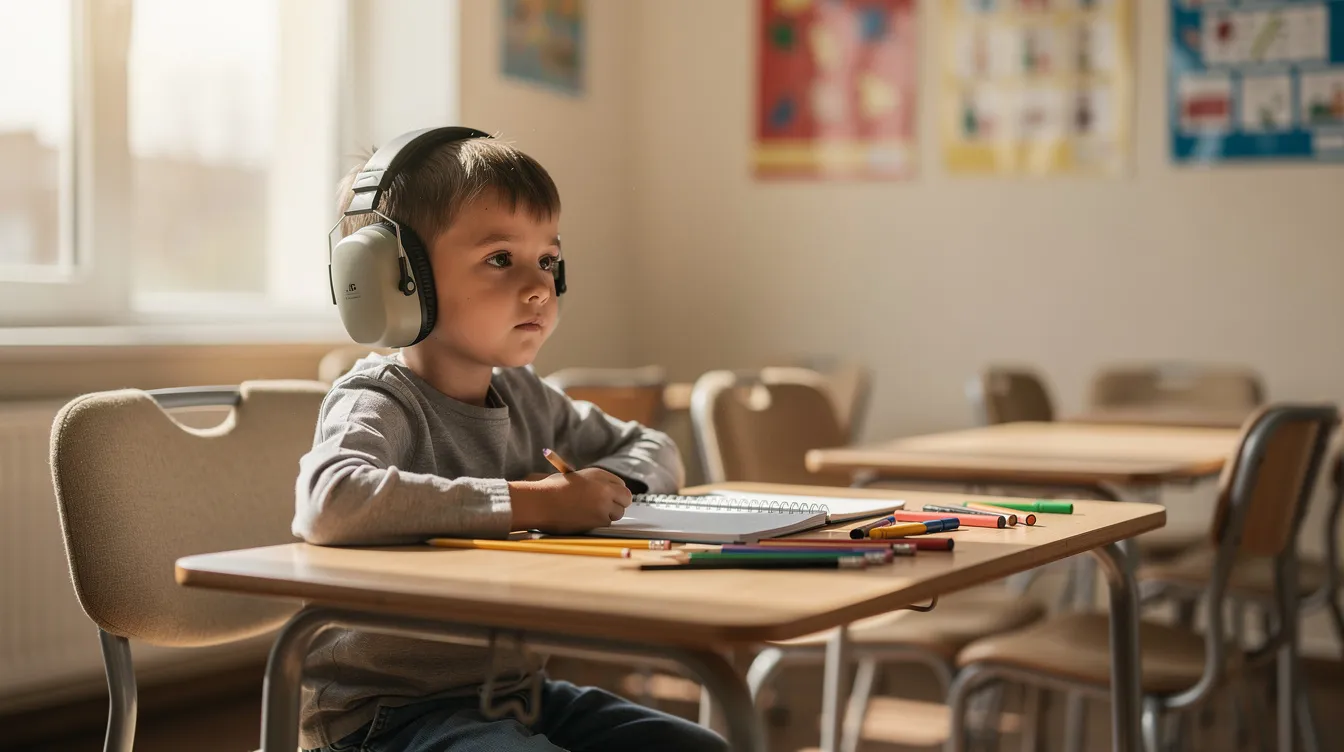
Processing Differences in Class: How Autism Traits Affect Classroom Learning
Key Takeaways The classroom paradox is real. An autistic child can recall every detail of the human digestive system yet leave their science worksheet incomplete. This gap between knowledge and output is not laziness – it reflects a mismatch between how autistic students process information and how classrooms deliver it. Autism spectrum disorder is a…
-
Beyond Decoding: Helping Children Improve Reading Fluency and Build True Reading Fluency
Key Takeaways Reading fluency is the bridge between sounding out words and strong reading comprehension skills. Many primary school children in Singapore can technically “read” but lack the fluency needed to understand what they have read. Common fluency red flags include word-by-word reading, slow and effortful decoding, flat or robotic tone, and children forgetting the…
-
The Exam Hall Bottleneck: Understanding Attention Difficulties During Examinations
Key Takeaways Children who score 80–90% on home practice can drop to 40–60% in real exams due to breakdowns in sustained attention, working memory, and time management-not laziness or poor revision. This pattern is common across Singapore’s primary school and secondary level system, especially around the Primary School Leaving Examination and mid-year or year-end exams.…
-
The Tuition Paradox: Why Tuition Does Not Solve Learning Struggles
Key Takeaways Traditional tuition classes focus on re-teaching syllabus content and exam drilling, but many children struggle because of underlying cognitive processing, attention, or working memory bottlenecks that tuition cannot fix. Piling on group tuition, one on one tutoring, and more assessment books can harm mental health, family relationships, and confidence when the root cause…
-
The Bridge to Academic Success: Supporting Communication and Learning Development in Children
Key Takeaways Communication for learning goes beyond social chat – it is how children receive, process, and express ideas across every school subject. Hidden gaps in receptive language or expressive language often look like carelessness, laziness, or anxiety rather than a skills deficit. Language delays and processing difficulties affect Math word problems, Science explanations, and…