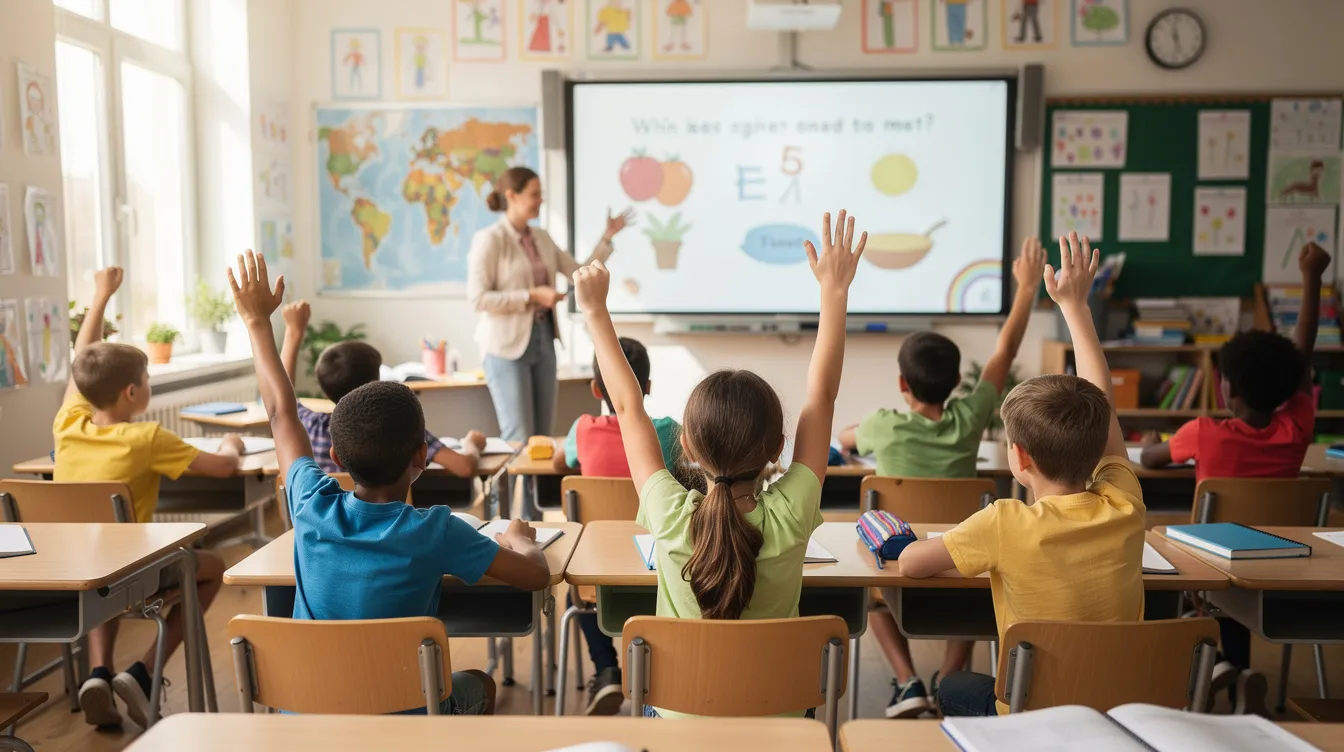
Key Takeaways
- Effective learning for children combines active learning, play, and routine, supported by adults who encourage students through praise and clear expectations.
- Differentiated instruction and culturally responsive teaching are essential to help students with diverse needs, languages, and backgrounds reach strong academic achievement.
- Collaborative learning, brainstorming sessions, and peer teaching build confidence, critical thinking, and social skills in primary and middle childhood.
- Blended learning, formative assessment practices, and simple home–school communication loops allow adults to monitor progress and adjust support quickly.
- Consistent reflection, growth mindset language, and real-world experiential learning (field trips, projects, service) turn school content into lasting understanding.
Introduction: What Makes Learning Effective for Children?
Effective learning strategies for children are evidence-based methods that promote deep understanding, knowledge retention, and practical application of skills for learners ages 5–14. These strategies work both at home and in school, focusing on academic achievement alongside emotional well-being.
Today’s children learn in blended learning environments that mix traditional classrooms with digital tools like learning apps, video lessons, and interactive platforms. This shift has driven the evolution of teaching methods and teaching techniques, with modern approaches increasingly tailored to support diverse student learning needs through digital integration, student-centred strategies, and adaptive instruction.
Research since around 2015 consistently points to three drivers of better results: active learning where children talk, create, and solve problems; collaborative learning where they work with peers toward shared goals; and regular formative assessment that provides timely feedback. These approaches outperform passive methods like lectures and worksheets across subjects from reading to science.
This guide delivers specific, ready-to-use strategies for parents, primary school teachers, and middle school teachers. Each section provides a short introduction followed by practical bullet lists—no dense theory required.
Core Principles of Effective Learning in Childhood
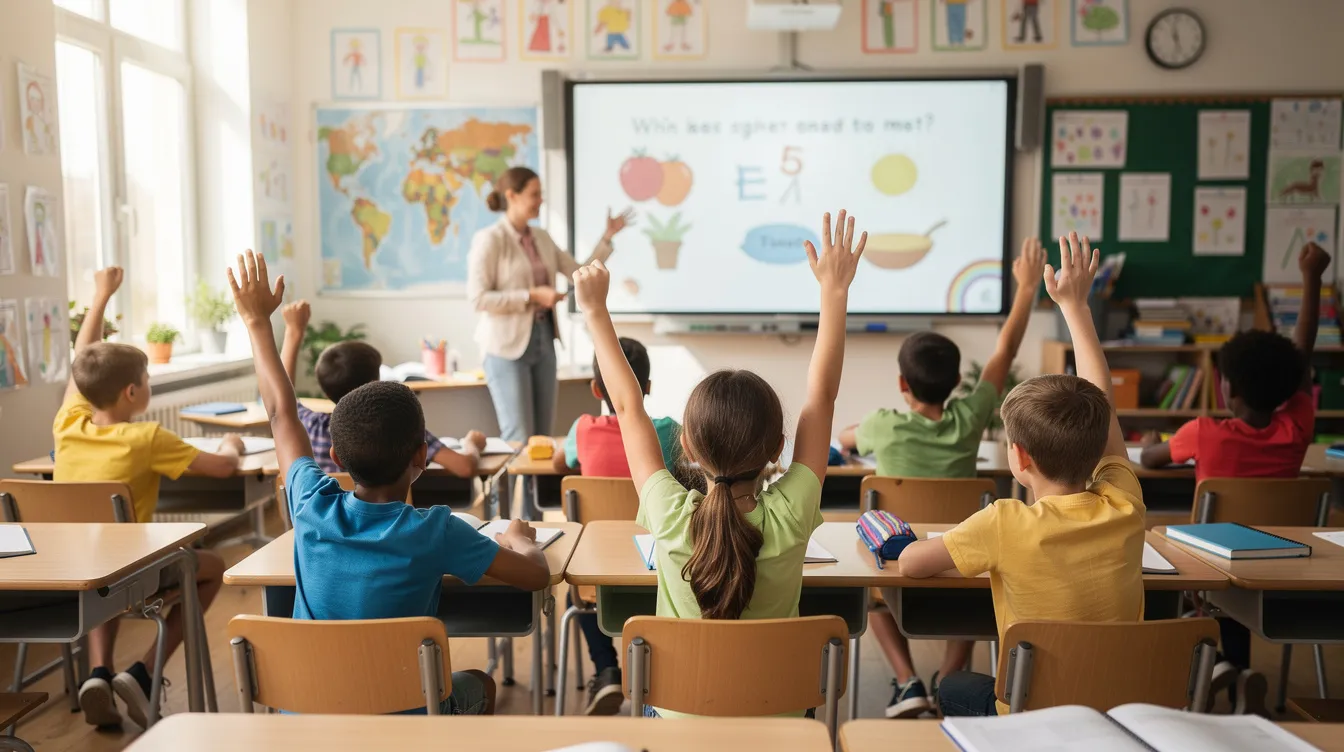
Creating a positive learning environment involves ensuring that every student feels safe, respected, and motivated to learn, which can significantly enhance their academic performance. Five core principles form the foundation of effective teaching practices: active engagement, clear goals, meaningful feedback, emotional safety, and relevance to children’s lives.
Active Engagement
Children learn best when they talk, move, create, and solve problems rather than simply listening. Research indicates that active learning techniques, such as group discussions and problem-solving activities, can significantly enhance students’ critical thinking and collaboration skills. Incorporating these active learning strategies into the lesson plan is effective for increasing student engagement by encouraging them to actively participate in their learning process, which leads to better understanding and retention of material.
Encouraging Students Through Specific Feedback
How parents praise their children can significantly influence their resilience and motivation. Focusing praise on effort rather than innate talent nurtures a growth mindset in children. Instead of saying “You’re so smart,” try “You worked really hard on that tricky problem.” This approach builds persistence and helps children see challenges as opportunities for growth.
Differentiated Instruction
Effective learning strategies include using various methods that accommodate different learning styles, such as visual, auditory, or kinesthetic approaches. Differentiated instruction is a teaching strategy that involves adjusting content and processes to meet the diverse learning styles in a classroom. In a Year 3 literacy lesson, this might mean offering leveled texts for different reading abilities while working toward the same comprehension goal.
Culturally Responsive Teaching
Connecting lessons to local cultures, home languages, and real examples from children’s communities creates meaningful learning experiences. A 2022 meta-analysis found culturally responsive teaching narrows achievement gaps by 0.44 effect size for underrepresented groups, making it essential for today’s diverse classrooms.
Making Learning Relevant
When children see how school content connects to their real world experiences, transfer and retention improve by approximately 25%. Integrating real-world connections into the lesson plan helps make learning more meaningful and applicable. A Grade 5 science experiment measuring playground temperatures ties abstract concepts about heat to familiar daily experiences.
Establishing clear expectations for behavior and effort in the classroom helps create a positive learning environment where students can thrive academically and socially. These principles work together—a child who feels safe, engaged, and supported is positioned for academic success across reading, writing, maths, and science, and these strategies help prepare students for future academic and social challenges.
Active and Experiential Learning Strategies
Active learning strategies are designed to engage students with material through hands-on tasks, experiments, and projects rather than passive listening. Experiential learning extends this outside the classroom through field experiences, community exploration, and real-world applications. Implementing active learning methods, such as project based learning and peer teaching, allows students to take ownership of their education and fosters a deeper understanding of the subject matter.
Classroom Strategies That Promote Active Learning
- Think-pair-share: Students think individually (3–5 minutes), discuss with a partner (2 minutes), then share with the class. This achieves 90–100% participation compared to 10–20% in whole-class discussion.
- Learning stations: Small groups rotate through tasks like maths manipulatives, art responses, or reading corners using timers for 20-minute rotations.
- Role-playing: Children embody historical figures or story characters, boosting retention by approximately 22% through embodied cognition.
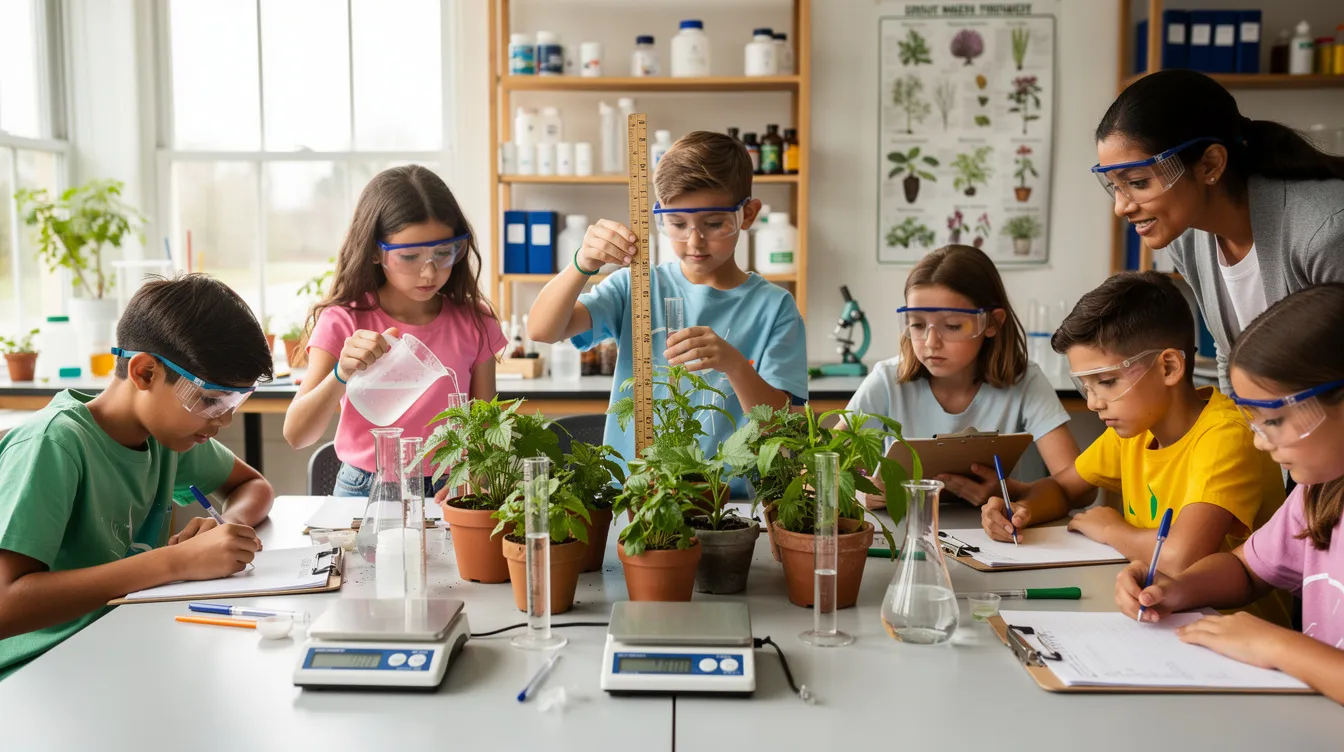
- Science labs: Testing real-world questions like “Which materials sink or float?” or recording plant growth over two weeks builds inquiry skills.
These activities facilitate learning by actively involving students, making lessons more interactive and helping them better understand and retain information.
Inquiry-based learning encourages students to take an active role in their education by posing questions, exploring, and researching to find solutions, which fosters a deeper understanding of the subject matter. Students who engage in inquiry-based learning are more likely to retain information from the activity and curriculum content, enhancing their critical thinking and research skills. The inquiry-based learning model leverages children’s natural curiosity, allowing them to develop a sense of ownership over their learning as they ask and answer questions.
Experiential Learning Outside the Classroom
- Local museum visits enhance science inquiry by approximately 30%
- Nature walks measuring temperature or plant growth foster data literacy
- Community interviews for social studies projects connect curriculum to real life
These experiential activities help students learn concepts in a real-world context, making abstract ideas more concrete and meaningful.
Project-Based Learning for Older Children
For ages 10–14, project based learning spans 3–4 weeks on driving questions like “How can we reduce waste at our school?” Phases include research (week 1), prototype development (week 2), testing and reflection (week 3), and presentation (week 4). Studies show 17% maths gains and 25% engagement increases compared to traditional units.
Reflection to Cement Learning
Building reflective skills helps students analyze their learning and understand what they have learned and how they have learned it. Reflective sessions can be integrated into the curriculum following the introduction of new concepts or the completion of significant assignments or projects, taking the form of journal entries, discussions, essays, or presentations. Classroom discussions and short reflections can be used to reinforce learning, encourage participation, and deepen understanding without adding significant grading burdens. The practice of reflection significantly bolsters critical thinking skills, as students are prompted to consider not just what they learn but how they learn it, aiding in solidifying knowledge and promoting self-awareness.
The Feynman Technique involves asking children to explain what they learned as if they were the teacher to identify gaps in understanding. This simple approach works at any age and helps develop critical thinking skills by encouraging students to analyze and articulate their knowledge.
Collaborative Learning, Brainstorming, and Peer Support
Collaborative learning techniques, such as peer instruction and cooperative learning, allow students to work together in groups to accomplish a goal or finish a task, promoting teamwork and accountability. When children work in small groups with shared goals and structured roles, they build both academic skills and essential communication skills.
Concrete Group-Work Formats
| Format | Description | Best For |
|---|---|---|
| Maths pairs | Partners solve challenges like fraction pizzas | Building problem solving skills |
| Reading circles | Small groups discuss texts with assigned roles | Developing communication skills |
| Science lab teams | Recorder, presenter, materials manager roles | Research skills and accountability |
| Debate teams | Structured argument practice | Critical thinking skills |
Brainstorming Sessions
Brainstorming sessions are structured discussions that encourage students to freely express their ideas, thoughts, and opinions on a specific topic, helping develop confidence and communication skills. Set simple rules: no criticism, quantity over quality, and build on others’ ideas. Use prompts like “How can our class save water?” to spark creative thinking.
For a Grade 4 group research project on local animals, brainstorming sessions might generate 2–3 times more creative solutions than individual work alone.
Peer Teaching and Tutoring
Peer tutoring and assessment is a collaborative learning strategy where students take turns teaching each other and assessing each other’s understanding of the subject matter, enhancing organizational and collaborative skills among students. Incorporating peer feedback into assignments supports social and emotional learning (SEL) by fostering student collaboration, respect, and personal development. When older or more confident students help others practise vocabulary, times tables, or reading fluency, the tutors themselves gain effect sizes of 0.62—learning through teaching strengthens their own understanding.
Supporting Shy Students
A supportive learning environment encourages students to take risks and relate to their peers, which is essential for fostering collaboration and communication skills. Gathering student feedback helps tailor support for hesitant learners, ensuring their needs are met. Strategies to encourage students who are hesitant:
- Provide sentence starters (“I think… because…”)
- Allow 30 seconds of think time before speaking
- Permit drawing before talking to organize thoughts
- Use pair discussions before whole-group sharing
Real-World Applications
A Year 6 debate on screen time builds argumentation skills that transfer to 12% improvements in writing. Grade 4 group research on local animals develops research skills while fostering creativity. These collaborative experiences build negotiation and empathy skills essential for 21st-century success.
Designing Differentiated Instruction for Diverse Learners
Differentiated instruction means offering different paths to the same learning goal. In 2026 classrooms where approximately 25% of students are multilingual and neurodiversity affects 1 in 5 children, this approach is essential rather than optional.
Carol Ann Tomlinson, a thought leader on differentiated instruction, recommends that teachers frequently reflect on their teaching strategies to better respond to student needs. Identifying children’s primary learning preferences can optimize support for their learning at home.
Differentiating by Content
- Use leveled texts on the same topic (e.g., Lexile 400–800 on ecosystems)
- Provide audio versions of readings for auditory learners
- Offer varied problem sets in maths at different complexity levels
Differentiating by Process
Effective differentiated instruction can include strategies like learning stations and the think-pair-share method, which provide unique learning experiences tailored to individual students. Process options include:
- Learning stations with 20-minute rotations
- Choice boards offering 4 options: draw, build, write, or discuss
- Small-group mini-lessons for students needing extra help or extra challenge
Differentiating by Product
Allow children to show understanding through various formats:
- Visual posters or infographics
- Oral presentations
- Short videos
- Written reports
- Physical models
Incorporating visual tools such as graphic organizers, including diagrams, flow charts, tables, or mind maps, can help students organize information and demonstrate their understanding of concepts.
Example: Differentiated Reading Lesson (Ages 8–10)
In a 40-minute block, groups form based on running records (95% accuracy threshold):
| Group | Focus | Activity |
|---|---|---|
| Below benchmark | Foundational skills | Teacher mini-lesson + paired reading |
| On-level | Fluency and comprehension | Station rotations |
| Advanced | Extension and inquiry | Independent research projects |
Using Simple Assessment Practices
Exit tickets (“Write 3 things you learned”), quick checklists, and spelling inventories help teachers decide who needs which supports. For parents supporting homework, offering tiered tasks—basic recall versus extension challenges—maintains appropriate challenge levels.
Effective learning strategies for children can include breaking tasks down into smaller, manageable steps to prevent overwhelm. This approach works for both classroom differentiation and homework support.
Blended Learning and Technology to Help Students
Blended learning combines online and traditional classroom instruction, enabling students to learn at their own pace while still benefiting from direct teacher interaction. This approach supports children who miss school due to illness or travel by providing access to recorded mini-lessons and assignments online.
Technology enhances student engagement by providing interactive and personalized learning experiences, allowing students to learn at their own pace and explore subjects more deeply. Ongoing professional development for teachers is essential to ensure they can effectively integrate new digital teaching techniques and adapt instructional strategies to maximize student learning.
Typical Tools for Young Learners
| Tool Type | Examples | Best Use |
|---|---|---|
| Adaptive learning apps | Khan Academy Kids, Prodigy | Maths and reading practice at own pace |
| Digital libraries | Epic! | Leveled ebooks for diverse reading levels |
| Flashcard apps | Quizlet | Vocabulary and spaced repetition |
| Virtual experiences | Museum virtual tours | Extending experiential learning |
Educational games can engage children in learning and vocabulary building, making the process enjoyable.
Concrete Implementation Examples
A Grade 3 class using tablets twice weekly for phonics practice shows 18% gains according to recent educational technology research. A Grade 6 class watching a short video on volcanoes before a lab prepares students for deeper understanding during hands-on exploration.
The use of visual aids in education, such as smartboards and infographics, significantly improves students’ comprehension and retention of information, catering to diverse learning styles.
Important Safeguards
- Limit screen time to 20–30 minutes per session (per AAP 2024 guidelines)
- Monitor content and select platforms focused on learning rather than advertising
- Choose apps that automatically adjust difficulty to maintain approximately 85% success rates
Turning Screen Time into Active Learning
Parents can “co-view” digital content with younger children and turn passive watching into interactive learning. After watching a video about volcanoes, discuss what happened, ask prediction questions, and connect it to upcoming hands-on activities. It is important to combine different educational materials and resources to enhance the learning experience.

Assessment Practices, Feedback, and Growth Mindset
Formative assessments are conducted during the teaching process and can help reduce student stress around testing, allowing teachers to adjust instruction based on real-time feedback. These quick checks during lessons have an effect size of 0.90—far outperforming end-of-unit tests.
Summative assessments, such as end-of-unit tests or final projects, are used to evaluate student understanding on a broader level and can provide valuable insights for teachers about overall class performance. Both types serve important purposes in measuring progress. These assessment tools are essential to measure success and monitor student progress, helping educators evaluate academic achievement through standardized tests, personal goals, and ongoing documentation.
Simple Formative Assessment Practices
- Thumbs-up/thumbs-down signals for quick comprehension checks
- Mini whiteboard answers for whole-class participation
- Quick quizzes (5 questions, instant feedback)
- Learning journals for reflection
- Teacher observation checklists
Self-assessment encourages students to evaluate their own understanding and take ownership of their learning, which can enhance their engagement and motivation.
What Effective Feedback Looks Like
Constructive feedback for children should be specific, timely, and focused on effort and strategies. Instead of just marks, try:
- “You tried a new way to solve that problem—that shows great thinking!”
- “Your regrouping strategy worked really well in these multiplication problems.”
- “I noticed you went back to check your work. That’s what careful mathematicians do.”
Spaced Repetition involves reviewing material over increasing intervals to improve retention instead of cramming. This technique can be built into feedback cycles and review schedules.
Encouraging a Growth Mindset
Promoting a growth mindset encourages children to try new things and view challenges as opportunities for growth. Encouraging children to see mistakes as learning opportunities can enhance their resilience and willingness to take academic risks.
Children’s perception of their abilities significantly impacts their success in learning institutions. Research shows growth mindset interventions using “yet” language (“You don’t understand fractions yet”) raise scores by 8–12%.
Strategies to foster growth mindset:
- Share stories of real people who improved through practice
- Model how adults handle mistakes (“I made an error here—let me try again”)
- Use “yet” language consistently
- Praise persistence over perfection
Turning Low Scores into Learning Plans
When a child receives a disappointing test result:
- Review gaps together without judgment
- Create a focused practice schedule (10 minutes daily on specific skills)
- Set a concrete, achievable goal
- Schedule a retest opportunity
Home-School Feedback Loops
Regular communication through weekly folders, digital updates via apps like ClassDojo, or quick phone calls helps students make steady progress. Studies show these loops boost progress by approximately 22%.
Creating Supportive, Culturally Responsive Learning Environments
A supportive classroom and home learning environment ensures children feel emotionally safe, respected, and valued. When students understand that their identities, languages, and backgrounds matter, engagement increases and behavior problems decrease by approximately 25%.
Culturally Responsive Teaching in Practice
Culturally responsive teaching connects curriculum to students’ diverse perspectives and lived experiences:
- Use books with diverse characters reflecting classroom demographics
- Invite family traditions into projects (food, celebrations, stories)
- Pronounce names correctly and learn about their meanings
- Connect academic content to community histories and current events
Applying lessons learned from previous experiences, such as adapting to remote teaching or organizing field trips, helps educators refine and enhance current teaching strategies to better meet students’ needs.
Example: A Social Studies Unit
A Year 4 class researches local community histories, festivals, and languages. Students interview family members, create presentations about traditions, and compare experiences. This approach improves engagement while developing research skills and communication skills.
Concrete Classroom Practices
| Practice | Purpose | Implementation |
|---|---|---|
| Morning meetings | Build belonging | 10-minute daily circle for sharing and goal-setting |
| Class charters | Establish expectations | Co-create rules with student input |
| Calm-down corners | Emotional regulation | Quiet space with sensory tools |
| Predictable routines | Reduce anxiety | Visual schedules, consistent transitions |
Vignette: Leveraging Home Language
A bilingual child learning English in Year 2 struggles with reading confidence. The teacher incorporates bilingual picture books, allowing the child to read in their home language first, then connect to English vocabulary. This approach treats the home language as a strength, building bridges to academic excellence rather than barriers.
The Role of Parents and Guardians
- Create quiet study spaces at home with minimal distractions
- Ask open-ended questions about school (“What was interesting today?” rather than “Did you behave?”)
- Attend parent-teacher conferences where possible
- Share cultural knowledge that teachers can incorporate into lessons
Practical Home–School Partnerships to Help Students Learn
Children learn best when teachers and families communicate regularly and share similar expectations. Strong home–school partnerships play a crucial role in supporting student learning by fostering collaboration between parents and teachers. Maintaining communication with teachers helps ensure alignment and support for children’s learning both at home and school. Parents can bridge the gap between school lessons and real-world applications by implementing effective learning strategies.
Practical Communication Methods
- Weekly emails summarizing classroom learning and upcoming topics
- Paper newsletters for families without reliable internet access
- Messaging apps for quick check-ins
- Brief in-person conversations at drop-off or pick-up
Simple At-Home Learning Habits
A consistent routine and dedicated study space helps children mentally prepare for learning and improves focus. Creating a quiet and organized study environment minimizes distractions and fosters focus for effective learning.
Effective learning strategies for children include cognitive techniques and structural habits that enhance academic work management:
- Consistent homework time: Same time each day builds discipline
- Reading aloud: 15–20 minutes every evening, regardless of age
- Daily maths talk: Cooking measurements, shopping calculations, sports scores
- The Pomodoro Technique: 25 minutes of focused work followed by a 5-minute break helps prevent burnout
Integrating breaks using methods like the Pomodoro Technique can improve children’s focus and retention during study sessions. Incorporating short, scheduled breaks during study sessions can help improve children’s focus and learning efficiency.
Maintaining a predictable routine for studying, meals, and sleep can build discipline and reduce stress for children. Establishing routines and creating a predictable structure can reduce stress and aid in consistent academic progress.
Monthly Learning Goal Sheet Example
| Component | Description |
|---|---|
| Current learning focus | This month’s main skills (e.g., multiplication facts, reading stamina) |
| Home practice suggestions | Specific activities parents can support |
| Child reflection space | “What I’m proud of this month…” |
| Parent notes | Questions or observations to share with teacher |
Supporting Families with Limited Time or Language Barriers
- Translated materials in major community languages
- Voice messages for families who prefer audio
- Flexible meeting times (before school, phone calls during breaks)
- Simple visual guides requiring minimal reading
Celebrating Progress Together
Small awards, recognition boards, and family nights showcasing student work motivate children to keep improving. When families and schools celebrate milestones together, children see that their learning journey matters to everyone around them.

FAQ: Effective Learning Strategies for Children
At what age should parents and teachers start using structured learning strategies?
Playful, language-rich interaction matters from birth, but more visible “structured strategies” like short routines, picture schedules, and story-based instruction typically become effective from about age 3. Research from NAEYC confirms structured play benefits young learners significantly.
Ages 5–7 (early primary) represent a crucial window to build habits around reading, daily maths games, and collaborative play that support later academic achievement. Children develop attention spans of 12–18 minutes during this period, making short, focused activities ideal.
It’s never “too late” in childhood. Strategies adapt easily for older primary and lower secondary students—a Year 6 student might use learning journals and structured group discussions rather than picture schedules, but the underlying principles remain consistent.
How much homework is appropriate for primary school children?
Widely cited guidelines suggest approximately 10 minutes per grade level per day for Grades 1–6. A Year 3 student might have 30 minutes of homework, while a Year 1 student has just 10 minutes. Local school policies may differ, so check with your child’s teacher.
Quality matters more than quantity. A short, focused task linked to classroom learning proves more effective than long, repetitive worksheets. Research shows optimal benefits at 10–20 minutes for primary grades, with diminishing returns beyond that threshold.
Alternatives for younger children include reading with an adult for 15 minutes, simple science observations at home (watching seeds sprout, recording weather), and practical maths during cooking or shopping.
What can parents do if their child strongly dislikes schoolwork?
Start by talking with your child’s teacher to check for underlying issues such as undiagnosed learning difficulties, social challenges, or mismatched expectations. Early identification of problems leads to better solutions.
Use interest-based hooks at home. If your child loves football, use match statistics for maths practice. If they’re passionate about animals, find reading materials about wildlife. Making learning feel relevant transforms reluctant learners.
Build success experiences with small, achievable tasks. Praise effort rather than just correct answers: “You kept working even when it got tricky—that’s what learners do.” Gradually, this changes the child’s self-image from “I’m bad at school” to “I can figure things out.”
How can teachers manage active learning in a crowded classroom?
Use simple structures like clearly defined roles in groups, time limits displayed on visual timers, and established signals for transitions. When movement has purpose and clear boundaries, even crowded spaces become manageable.
Start with short, well-rehearsed routines. Try 5-minute pair discussions or a single set of learning stations before scaling up to larger projects. Students learn the procedures, reducing chaos with each iteration.
Student helpers and classroom jobs distribute materials and model expected behavior. When three students manage supplies while others prepare their workspaces, the teacher’s logistical load decreases significantly, allowing focus on instruction and student comprehension.
How do we know if these strategies are actually improving academic achievement?
Progress monitoring combines multiple methods: regular formative assessments showing daily understanding, comparison of term-by-term grades showing trends, and standardised test results where available. No single measure tells the complete story.
Track smaller indicators that predict larger gains: reading stamina (minutes of sustained reading), homework completion rates, class participation frequency, and confidence when approaching unfamiliar problems. These leading indicators often shift before test scores change.
Schools and families should review progress together at least twice yearly. When data shows limited improvement despite consistent effort, adjust strategies rather than simply working harder at approaches that aren’t delivering results. The goal is to guide students toward becoming lifelong learners who can adapt their own strategies.
Comments are closed