Signs of Dyslexia in Children: What Parents Should Look For
Many parents begin to notice reading difficulties long before a child receives any formal assessment. A child may be bright, curious and articulate in conversation, yet reading, spelling or writing can feel unusually slow and frustrating. Recognising the early signs of dyslexia helps parents understand what may be affecting their child’s learning and whether additional support may be helpful.

Quick Summary: Common Signs of Dyslexia
While every child develops at a different pace, several patterns commonly appear when dyslexia is present. Parents may observe that:
When several of these patterns appear consistently over time, it may indicate that the processes supporting literacy development need strengthening.
Typical Reading vs Dyslexia-Related Reading
| Typical Development | Possible Dyslexia Pattern |
| Reading gradually becomes smoother | Reading remains slow |
| Spelling improves with practice | Same spelling mistakes repeat |
| Words become automatic | Words must be decoded repeatedly |
Slow or Effortful Reading (One of the Early Signs of Dyslexia)
Children with dyslexia often read more slowly than their peers. They may pause frequently, struggle to recognise familiar words automatically or repeatedly attempt to sound out the same words. Because so much effort is spent decoding individual words, it can become difficult for the child to focus on the meaning of the text. Reading may feel tiring rather than natural.
What Is Dyslexia?
Dyslexia is a learning difference that affects how written language is processed, particularly reading accuracy, reading fluency and spelling. It is not related to intelligence or motivation. Many children with dyslexia demonstrate strong reasoning ability, creativity and verbal understanding. However, connecting letters, sounds and words may require significantly more effort.
How Dyslexia Often Appears in Singapore Schools
In Singapore, dyslexia often becomes more noticeable during the early primary school years when reading demands increase significantly. Students are expected to read independently, understand written instructions and complete written assignments across subjects. Literacy skills are also essential for subjects such as Science, Social Studies and Mathematics, where students must read questions carefully and express answers clearly.
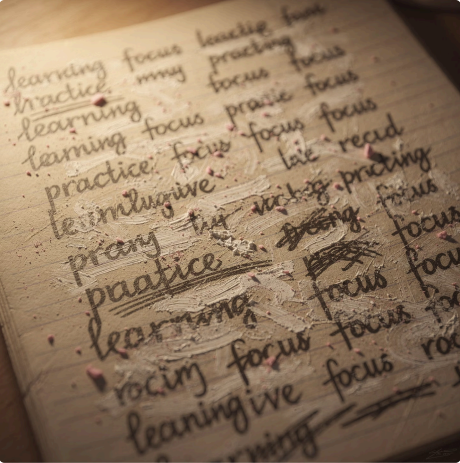
2. Persistent Spelling Difficulties
Spelling difficulties are often one of the earliest and most noticeable signs of dyslexia. Children may spell the same word differently each time or omit letters when writing. Even after repeated practice, spelling may remain inconsistent because the connection between sounds and written patterns is not yet fully established.
Because of these demands, children with dyslexia may begin to show signs such as slow reading, difficulty spelling unfamiliar words and frustration when completing written work. These challenges may become especially visible when students prepare for examinations such as the PSLE, where reading comprehension and written responses are important parts of the assessment.
3. Avoidance of Reading and Writing Tasks
When learning activities repeatedly feel difficult, some children begin avoiding reading and writing tasks. Parents may notice reluctance to read aloud, delays in starting homework or frustration during spelling practice. Avoidance usually develops after repeated experiences of difficulty rather than from a lack of effort.
Reluctance to Read Aloud
Children may hesitate or refuse when asked to read aloud in class or at home.
Delays Starting Homework
Homework may be repeatedly postponed, particularly tasks involving reading or writing.
Frustration During Spelling Practice
Spelling exercises may trigger visible distress or disengagement.
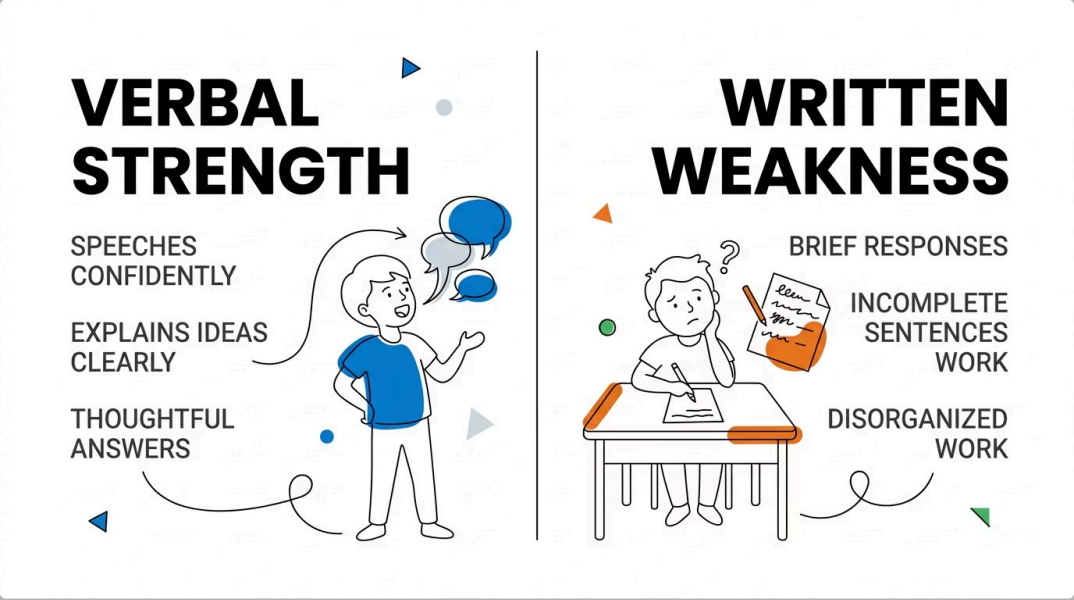
4. Strong Verbal Understanding but Weak Written Output
Many children with dyslexia can explain ideas clearly when speaking but struggle to express those same ideas in writing. Parents may notice that their child provides thoughtful verbal answers, yet written responses appear brief, incomplete or disorganised. As school expectations increase, this difference between verbal and written ability can become more visible.
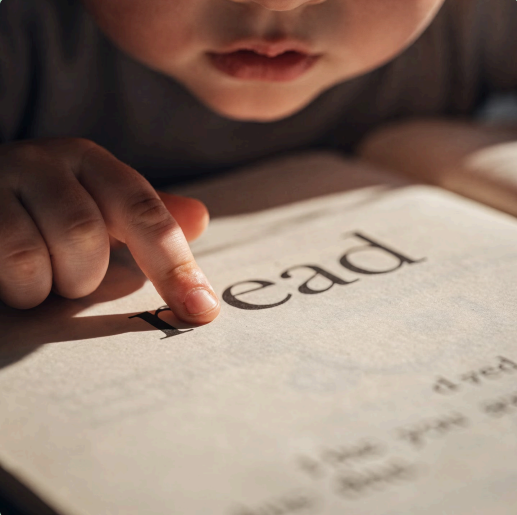
5. Difficulty Recognising Words Automatically
Fluent reading depends on the ability to recognise common words quickly and automatically. Children with dyslexia may continue relying heavily on sounding out letters or syllables. As a result, reading speed remains slow and comprehension may become harder to maintain because the child is concentrating on decoding individual words.
When Should Parents Pay Closer Attention?
Occasional reading mistakes are normal while children are learning to read. However, parents may wish to look more closely when several patterns persist over time. Because reading and writing form the foundation of many school subjects, these challenges can gradually affect learning across different areas of the curriculum. Understanding dyslexia allows parents to see reading difficulties not as a lack of effort, but as a difference in how written language is processed and learned.
Patterns That Warrant Closer Attention
Slow Reading Despite Practice
Reading remains slow despite regular practice
Persistent Spelling Difficulties
Spelling difficulties persist over several school terms
Lengthy Homework Sessions
Homework consistently takes much longer than expected
Increasing Frustration
Frustration during reading or writing increases rather than improves
When these patterns continue over time, they may suggest that the learning processes supporting literacy need strengthening.
Why Extra Practice Alone May Not Be Enough
Many parents respond to reading difficulties by increasing practice or enrolling their child in extra tuition. Practice can certainly help in many situations. However, some children struggle because the underlying processes that support reading and spelling are not yet efficient. When this happens, repeating worksheets alone may not lead to meaningful improvement. Structured learning support may instead focus on strengthening the processes involved in language, reading and written expression so that learning gradually becomes more manageable.
What Parents Can Do
If you notice several of these patterns, it can be helpful to observe how your child approaches reading and writing tasks over time. Paying attention to how long homework takes, how the child responds to reading practice and whether progress remains slow despite effort can provide useful insights. Discussing your observations with teachers may also help determine whether similar patterns appear in the classroom. Most importantly, understanding that reading difficulties often reflect differences in how children process written language allows parents to respond with patience and constructive support.
Looking Ahead
Many children with dyslexia make meaningful progress when they receive appropriate support that focuses on strengthening literacy processes. Early understanding allows parents to respond in a supportive and informed way. Recognising the signs of dyslexia is not about attaching labels. Instead, it helps parents better understand how their child learns and what type of support may help them build confidence and develop stronger learning strategies.
Observe Over Time
Pay attention to how your child approaches reading and writing tasks, how long homework takes and whether progress remains slow despite effort.
Talk to Teachers
Discussing your observations with teachers may help determine whether similar patterns appear in the classroom.
Respond with Patience
Understanding that reading difficulties reflect differences in how children process written language allows parents to respond with patience and constructive support.