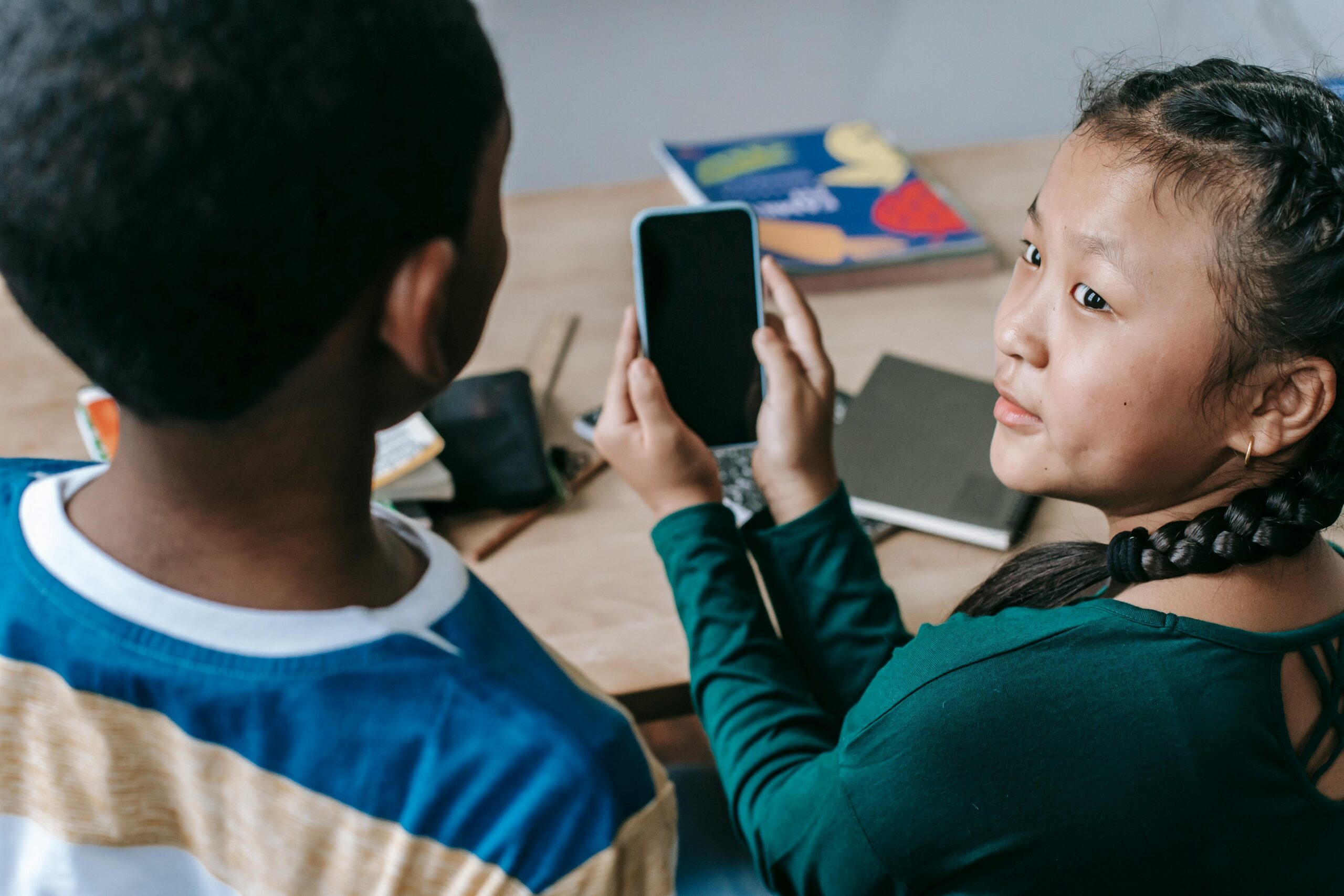
Reading is a foundational skill that opens the door to learning, imagination, and confidence. For many children, the journey to literacy can begin with the support of an AI reading buddy, especially for those with dyslexia who face persistent challenges. Traditional methods of support—extra tutoring or paper-based interventions—can help, but they often lack the flexibility and real-time adaptation that some children need. Enter AI-powered reading tools, which act as a “reading buddy” to guide, support, and encourage children every step of the way.
Adaptive learning systems, powered by artificial intelligence, are transforming the landscape of education by offering personalized learning experiences tailored to each student’s unique abilities and needs. These innovative systems analyze how students learn, adapt content in real time, and provide targeted support to help every learner achieve their best possible outcomes. For students facing learning difficulties such as dyslexia, adaptive learning systems can be a game-changer—offering the kind of individualized support that traditional methods often struggle to provide. By leveraging AI, educators can enhance learning outcomes, boost student engagement, and create a more inclusive environment where every child has the opportunity to succeed, regardless of the challenges they face. The Ministry of Education and collaborating entities are making significant efforts to upgrade educational systems, develop AI-enabled tools, and implement comprehensive masterplans aimed at enhancing learning outcomes for all students.
Introduction
The integration of artificial intelligence (AI) into education is reshaping how students learn and how teachers guide their progress. One of the most exciting advancements in this space is the rise of adaptive learning systems—innovative educational tools that use AI to tailor lessons and activities to each student’s unique needs. These systems are designed to boost learning outcomes by providing targeted support, keeping students engaged, and making it easier for teachers to focus on what matters most: helping every child succeed. For students with dyslexia and other learning difficulties, adaptive learning systems offer a new level of support, enabling them to overcome challenges and thrive in the classroom and beyond. In this article, we will explore the many benefits of adaptive learning systems, their role in supporting students and teachers, and how they are driving the development of more inclusive and effective education for all.
What is Dyslexia
Dyslexia is a common learning difference that affects a person’s ability to read, write, and spell, often making these skills more challenging to master. It is characterized by difficulties with recognizing sounds in words, decoding, and reading fluency, which can impact comprehension and writing. Importantly, dyslexia is not linked to intelligence or effort; rather, it stems from neurological differences in how the brain processes language. The dyslexia association stresses the value of early identification and targeted support, as these can enable children to adapt, build essential skills, and ultimately succeed in both school and life. With the right support and educational tools, students with dyslexia can overcome challenges, develop confidence, and unlock their full potential.
How AI Reading Buddy Works
The AI Reading Buddy is a cutting-edge adaptive learning system designed to transform the way children with dyslexia and other learning differences engage with reading and literacy. Powered by artificial intelligence, this educational tool begins by assessing each child’s unique learning abilities, identifying specific areas of strength and weakness. For students learning with dyslexia, the AI Reading Buddy pinpoints the exact skills and concepts that require additional support, ensuring that no child’s needs go unnoticed. The AI Reading Buddy adapts in real-time to each child’s skill level, adjusting the complexity of texts or stories to keep readers motivated without overwhelming them.
Once the initial assessment is complete, the AI Reading Buddy creates a personalized learning plan tailored to the child’s abilities and learning goals. This plan includes a diverse range of interactive lessons, games, and exercises that are carefully selected to address the child’s individual challenges. By using engaging educational tools such as animations, voice-based activities, and adaptive quizzes, the AI Reading Buddy keeps children motivated and interested in their lessons. The system adjusts lessons by analyzing the relation between question difficulty and the student’s skill level, ensuring that each activity is appropriately challenging.
Throughout the learning process, the AI Reading Buddy provides real-time feedback and adaptive guidance, helping children overcome difficulties as they arise. The AI provides non-judgmental feedback as children read aloud, reducing the anxiety often associated with making mistakes in front of others. AI reading buddies utilize speech recognition and natural language processing (NLP) to provide real-time guidance and feedback as students read aloud or engage with texts. The system continuously analyzes data from each session, offering data-driven insights to teachers and educators. This allows for targeted interventions and enables educators to track progress, adjust support strategies, and celebrate achievements along the way.
By leveraging the power of AI technology, the AI Reading Buddy not only supports children in mastering reading and literacy skills but also empowers teachers with the tools and information they need to help every student achieve their full potential. The result is a dynamic, interactive, and supportive learning environment where children can build confidence, develop essential skills, and make meaningful progress toward their learning outcomes.
How AI Supports Children with Dyslexia
AI reading assistants use advanced technologies like text-to-speech, speech-to-text, and predictive reading algorithms to make reading more accessible. Here’s how each tool works:
- Text-to-Speech (TTS): AI reads text aloud, helping children decode words, follow along, and improve comprehension. Hearing the words as they appear on the screen strengthens phonetic understanding and reinforces the connection between letters and sounds.
- Speech-to-Text (STT): Children can speak their responses or attempt spelling aloud, and the AI converts it into written text. This reduces the frustration often associated with writing or typing, allowing children to focus on expressing ideas clearly.
- AI Reading Assistants: Some AI tools go further, highlighting tricky words, providing definitions in context, or offering interactive comprehension questions. These assistants analyze student answers to provide tailored feedback, hints, or adaptive assessments that enhance learning outcomes. They can also prompt children to practice describing stories, images, or concepts, helping to build language and comprehension skills.
By combining these technologies, AI functions as a personalised reading partner, offering guidance and support without the pressure of a traditional classroom setting.
Educational Approach
The educational approach behind the AI Reading Buddy is rooted in the belief that every child deserves a classroom-quality education, whether at home or in school. This adaptive learning system offers a comprehensive curriculum that spans a wide range of subjects, including language, literacy, mathematics, and science. Each lesson is thoughtfully designed to be interactive and engaging, utilizing multimedia resources such as videos, animations, and educational games to bring concepts to life and support students’ learning.
Central to the AI Reading Buddy’s philosophy is the development of essential skills that are critical for lifelong success. The platform emphasizes problem-solving, critical thinking, and effective communication, ensuring that children are not only learning to read but also building the abilities they need to thrive in any subject. Educational systems increasingly seek to keep future generations competitive by developing in-demand skills involving AI, and the AI Reading Buddy aligns with this proactive approach by integrating AI-driven learning experiences. By providing a personalized learning experience, the AI Reading Buddy adapts each lesson to the child’s current abilities, offering just the right level of challenge to keep them engaged and motivated.
The adaptive nature of the system means that lessons and exercises are continually adjusted based on the child’s progress, strengths, and areas for improvement. This ensures that students are always working at a pace and difficulty level that suits their needs, helping them to overcome challenges and achieve their learning goals. Whether used in the classroom or at home, the AI Reading Buddy fosters confidence, resilience, and a love of learning by making education accessible, interactive, and enjoyable.
By supporting students’ learning outcomes through a blend of adaptive technology and evidence-based teaching strategies, the AI Reading Buddy enables children to succeed academically and develop the skills they need for future success. This holistic, student-centered approach ensures that every child—regardless of their starting point—has the opportunity to achieve, grow, and reach their full potential.
Building Confidence and Independence
For children with dyslexia, reading difficulties can affect self-esteem and motivation. AI reading buddies help by providing a safe, patient, and consistent learning environment. Children can practise at their own pace, make mistakes without judgment, and immediately receive feedback. Over time, this consistent support helps children:
- Decode words more accurately
- Improve reading comprehension
- Build confidence in their abilities
- Succeed in overcoming reading challenges
When children experience small successes repeatedly, they are more likely to develop a love for reading, which is essential for lifelong learning.
Real-World Applications
Several AI-powered reading tools are making a real difference in classrooms and at home. According to the Citizendium article on ‘Adaptive learning,’ educational research and models support the development of these tools to enhance personalized learning experiences. Here are some examples:
- Kurzweil 3000: Offers text-to-speech, note-taking, and study aids tailored for students with dyslexia.
- Microsoft Immersive Reader: Helps children read and understand text using features like syllable segmentation, text highlighting, and read-aloud functions.
- Voice Dream Reader: Converts text into speech, enabling children to listen to books, articles, and educational material at their own pace.
Buddy is another example, offering 1:1 voice-based learning games and lessons to develop children’s skills. Buddy’s approach combines personalized attention with lesson plans developed using the latest educational strategies. Before lessons, Buddy engages children in small talk to build rapport and help them feel comfortable. Game mechanics are used to appeal to visual, auditory, and kinaesthetic learners, making the experience engaging and effective.
These tools do more than just read aloud—they actively engage the child with interactive stories, monitor progress, and adapt lessons based on performance, making learning more effective. The technology adapts text difficulty and story length to match a child’s specific skill level, ensuring appropriate challenges for learners, and the level of difficulty is determined by ongoing assessment of the child’s progress. These tools create highly personalized learning paths by adjusting text difficulty, vocabulary, and story length based on individual progress. Gamification elements like rewards and badges in reading apps can increase knowledge retention by 40–75%.
Providing Accurate Feedback
Accurate feedback is at the heart of any effective adaptive learning system. For students with dyslexia, receiving timely, specific, and constructive feedback can make a significant difference in their learning journey. Adaptive systems use data-driven insights to highlight both strengths and areas for improvement, allowing students to adjust their strategies and build confidence as they progress. Educators play a crucial role in interpreting this feedback, offering guidance and support tailored to each student’s needs. By focusing on positive reinforcement and actionable suggestions, feedback helps students overcome challenges, develop resilience, and stay motivated. In this way, adaptive learning systems foster a supportive environment where every learner can thrive.
Data Analysis
Data analysis is a powerful tool within adaptive learning systems, enabling educators to monitor student progress, identify learning gaps, and refine their teaching approaches. By collecting and analyzing data on how students interact with lessons and educational tools, teachers can gain a deeper understanding of each learner’s strengths and challenges. This information is especially valuable for supporting students with dyslexia, as it allows for the development of targeted interventions and accommodations that address specific needs. Through ongoing data analysis, educators can create adaptive learning experiences that evolve with the student, ensuring continuous progress and improved learning outcomes for all.
Classroom-Quality Education at Home
Today’s adaptive learning systems make it possible for students to access classroom-quality education from anywhere, including the comfort of their own homes. By integrating these systems into online learning platforms, students receive personalized instruction that adapts to their abilities and learning styles. This is especially valuable for those who need extra support or face barriers to attending traditional schools. For instance, in South America, adaptive learning systems are helping students achieve better learning outcomes by providing tailored lessons and ongoing support, regardless of their location. These tools empower students to work at their own pace, build confidence in their abilities, and ultimately achieve academic success—demonstrating that high-quality education is no longer limited by geography or circumstance.
Supporting Educators and Parents
AI reading buddies are valuable not just for students but also for parents and teachers. By tracking reading progress, AI platforms provide data-driven insights into strengths, weaknesses, and improvement areas. Sophisticated dashboards from AI reading tools track metrics that help educators identify struggling readers earlier than traditional assessments. These tools enable teachers and parents to effectively provide better support by identifying specific needs and adapting instruction accordingly. AI also automates routine administrative tasks like attendance and grading, allowing teachers to focus more on direct student interaction and mentorship. This automation can reduce manual effort from hours to minutes. Educators, parents, and other users can utilize this data to tailor interventions or provide additional support, while parents can reinforce learning at home. In the school environment, this collaboration ensures that children receive a holistic learning experience tailored to their needs.
Accessibility and Inclusivity
Adaptive learning systems are transforming classrooms into more accessible and inclusive environments for every student, regardless of their abilities or challenges. By harnessing the power of artificial intelligence and innovative educational tools, these systems create personalized learning pathways that adapt in real time to each child’s unique needs. AI tools offer specialized features to support neurodivergent students, such as adjustable font sizes and repetitive phonics feedback for dyslexia and ADHD. For children with dyslexia, this means receiving targeted support that addresses their specific strengths and weaknesses, enabling them to overcome reading difficulties and build essential literacy skills.
One of the key benefits of an adaptive learning system is its ability to provide immediate, data-driven feedback. As students engage with interactive lessons, the system analyzes their progress and pinpoints areas where they may need extra guidance. This approach ensures that no child falls behind, and that every student receives the correct answer explanations and resources tailored to their learning style. For instance, if a student struggles with decoding certain words or understanding complex concepts, the system can offer additional practice, alternative explanations, or even break down words into their component sounds to aid comprehension. These tools also facilitate the sharing and leveraging of educational resources and knowledge, supporting learning through a structured knowledge base that can be personalized for each student.
The impact of these educational tools extends beyond individual classrooms. In South America, for example, adaptive learning systems have been successfully implemented to support students across a range of subjects, from mathematics to language arts. These tools have proven especially effective in fostering problem-solving skills and critical thinking, helping students achieve better learning outcomes and greater confidence in their abilities. By adapting to each learner’s pace and providing ongoing encouragement, these systems help students stay motivated and engaged throughout their educational journey. Adaptive learning systems can be implemented in various formats, including desktop applications, web applications, and integrated into curricula.
Teachers also benefit from the integration of adaptive technology in the classroom. With access to real-time data and insights, educators can quickly identify which students need additional support and adjust their teaching strategies accordingly. This not only enables more effective instruction but also encourages collaboration between teachers, students, and parents. Professional development resources and training opportunities further empower educators to stay informed about the latest advancements in AI and adaptive learning, ensuring they can provide the best possible support for their students.
Ultimately, the adaptive learning system represents a significant step forward in making education more equitable and effective for all. By leveraging technology to create inclusive, personalized learning experiences, schools can help every child—especially those with dyslexia—achieve success and develop a lifelong love of learning. As we continue to explore new ways to support diverse learners, the collaboration between educators, families, and technology will be key to unlocking every student’s full potential.
Technical Requirements
Implementing an adaptive learning system requires careful consideration of technical needs to ensure a smooth and effective experience for both students and educators. At a minimum, access to a reliable computer or mobile device and a stable internet connection is essential. The chosen educational tools should feature a user-friendly interface that makes it easy for students to engage with lessons and for teachers to monitor progress. Integration with existing learning management systems and other classroom tools can further streamline the process, making it easier to create a cohesive learning environment. By selecting adaptive learning systems that are compatible, scalable, and well-supported, educators can provide the necessary support for all students, including those with dyslexia, to achieve their learning goals.
Getting Started
Embarking on the journey with an adaptive learning system begins with understanding the unique needs of your students, especially those with dyslexia. Start by identifying the specific challenges and strengths within your class, and select tools that offer the right blend of support and adaptability. Develop a clear implementation plan that includes training for teachers, ongoing support, and regular monitoring of student progress. Encourage collaboration among educators, students, and parents to create a supportive network that fosters confidence and growth. By focusing on the benefits of adaptive learning and leveraging the right educational tools, teachers can help students overcome challenges, build essential skills, and achieve lasting success in their educational journey. With thoughtful planning and a commitment to continuous improvement, adaptive learning systems can transform classrooms into inclusive, engaging spaces where every student
Ongoing Support
The success of adaptive learning systems depends on more than just technology—it requires ongoing support for the teachers and educators who use them. Professional development opportunities, technical assistance, and access to data-driven insights are essential for helping educators make the most of these powerful tools. With real-time data, teachers can quickly identify where students are struggling, understand their weaknesses, and provide targeted interventions to support their development. This is particularly important for students with dyslexia, as adaptive systems can highlight specific difficulties and suggest effective strategies to help them achieve their goals. By equipping educators with the resources and knowledge they need, ongoing support ensures that adaptive learning systems are used effectively, leading to greater student success and more meaningful learning experiences.
Research and Development
The field of adaptive learning is constantly evolving, driven by ongoing research and development in artificial intelligence and educational technology. Researchers are using data-driven insights to create adaptive learning systems that can better understand and respond to the unique needs of each student, including those with dyslexia. By analyzing data from a wide range of learners, developers can refine these systems to provide more precise support, address specific challenges, and improve learning outcomes across diverse educational settings. This commitment to innovation allows educators to explore new ways of supporting students, whether in traditional classrooms or online environments, and ensures that adaptive learning systems continue to meet the changing needs of students and teachers alike.
Conclusion
Adaptive learning systems are transforming education by providing personalized, data-driven support that helps students overcome difficulties and achieve their full potential. By enabling teachers to focus on individual student needs, supporting those with dyslexia and other learning challenges, and fostering the development of essential skills and knowledge, these systems are paving the way for greater academic success. As educators and researchers continue to develop and refine adaptive learning technologies, it is crucial to explore their applications across a wide range of educational settings and subjects, from government and technology to literacy and problem solving. By working together, we can create supportive, engaging learning environments that empower all students to succeed—no matter their abilities or challenges. With adaptive learning systems, students are better equipped to find correct answers, understand complex concepts, and become confident, active learners ready to thrive in an ever-changing world.
Comments are closed