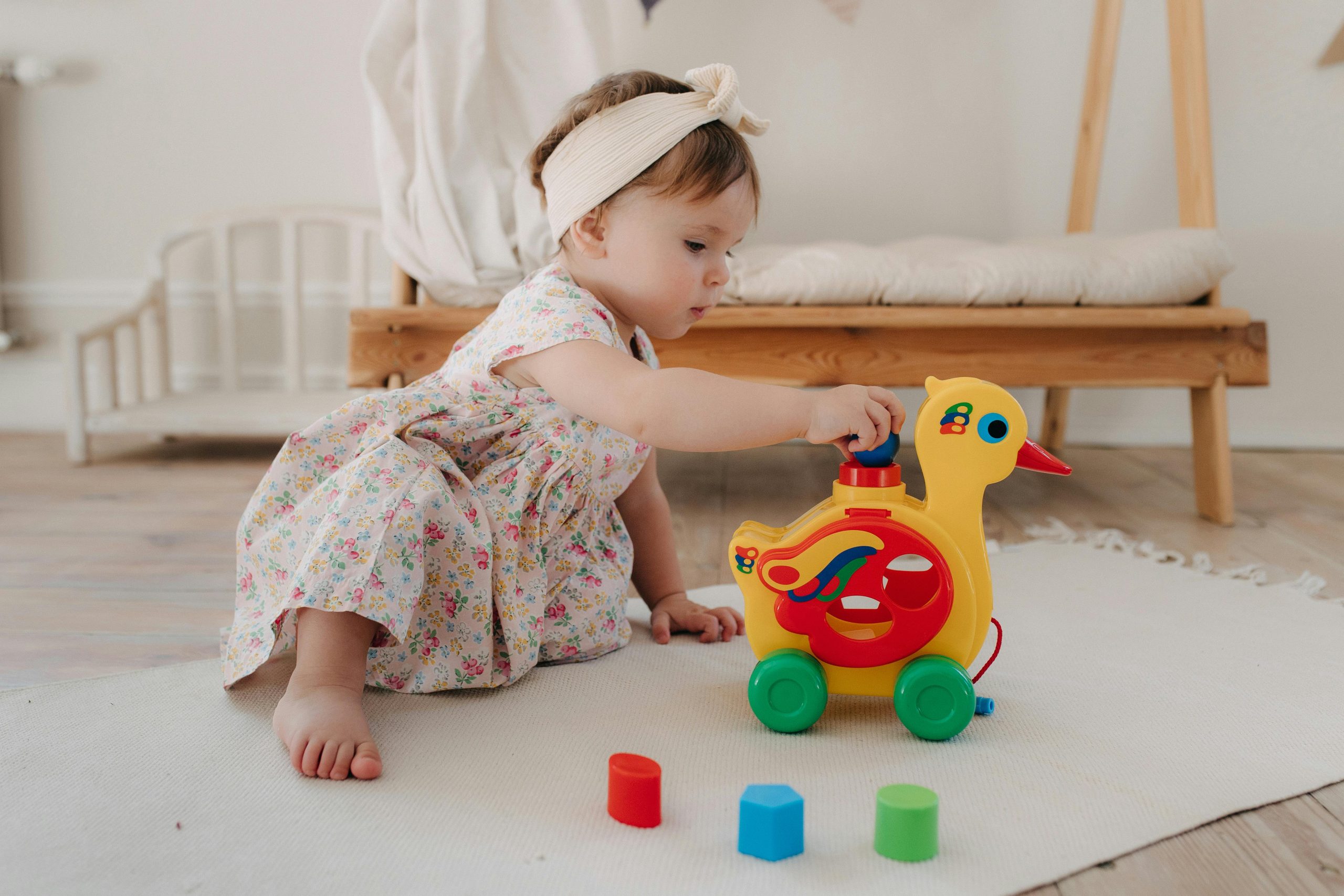
It’s perfectly normal for children to stumble, trip, or spill their juice cup occasionally—these moments are part of growing up and exploring the world. However, sometimes what looks like simple clumsiness might actually be a sign of motor skill delays in children. For parents, distinguishing between typical awkwardness and signs of developmental delay can be challenging. Understanding these differences is crucial because early identification and intervention can significantly improve a child’s motor development and overall well-being.
This article will guide you through what motor skills are, how to recognize signs of delays, and practical ways to support your child’s development to help them thrive.
What Are Motor Skills?
What is motor skill development? Motor skills are the abilities that allow children to move and control their bodies efficiently. These skills are categorized into two main types: gross motor skills and fine motor skills.These types of skills are essential for a child’s growth and development.
Gross motor skills involve the use of large muscle groups and whole-body movements. This type of skill includes actions such as crawling, walking, running, jumping, climbing, and riding a bike. Gross motor skills also influence balance and coordination, which are essential for a child’s ability to navigate their environment confidently and support a child’s independence.
On the other hand, fine motor skills focus on smaller muscle groups, particularly those in the hands and fingers. This type of skill is necessary for more precise tasks like writing, drawing, using utensils, buttoning clothes, tying shoelaces, and manipulating small toys. Fine motor skills are closely linked to hand-eye coordination, which is vital for a child’s ability to complete everyday tasks on their own.
Motor delays include difficulties in both gross and fine motor skills, such as problems with balance, coordination, or manipulating objects. There can be a wide range of motor skills or delays that affect a child’s development and independence.
Together, gross and fine motor skills form the foundation for a wide range of a child’s independence, social participation, and success in school. When a child experiences a delay in either area, it can lead to frustration, lower self-esteem, and difficulties keeping pace with peers.
Clumsy vs. Motor Skill Delay: What’s the Difference?
All children develop motor skills at their own pace, and some kids are naturally more coordinated than others. Occasional clumsiness is common, especially during growth spurts when a child’s body is changing rapidly. However, distinguishing between typical clumsiness and a motor delay is important.
Clumsiness tends to be occasional and inconsistent. It usually doesn’t interfere significantly with a child’s ability to learn new skills, socialize, or manage self-care tasks. For example, a child might trip frequently but still enjoy climbing on playground equipment and complete age-appropriate activities successfully.
In contrast, motor skill delays involve persistent difficulties across a range of tasks. A delay in reaching developmental milestones is a key sign, as children with delays might avoid physical play, show frustration with tasks like drawing or dressing, or consistently fall behind in these areas. These delays can affect daily routines, school readiness, and social confidence.
Key Milestones to Watch For
Developmental milestones serve as useful benchmarks to track your child’s motor skill development. Monitoring these milestones is important for understanding a child’s development and identifying any potential concerns early. While every child is unique, the following general milestones provide a guideline for typical gross and fine motor progress.
Gross Motor Milestones
- 12 months: Pulls to stand and may walk with support.
- 18 months: Walks independently and climbs onto furniture.
- 2 years: Runs, kicks a ball, and climbs stairs with support.
- 3 years: Jumps with both feet and pedals a tricycle.
- 4 years: Catches a large ball, climbs ladders, and hops.
- 5 years: Balances on one foot, skips, and rides a bike with training wheels.
Fine Motor Milestones
- 12 months: Picks up small objects using thumb and finger (pincer grasp).
- 18 months: Scribbles and builds small towers with blocks.
- 2 years: Uses a spoon, turns book pages, and begins brushing teeth with assistance.
- 3 years: Draws simple shapes, copies a circle, and begins dressing with help.
- 4 years: Holds crayons or pencils correctly and cuts with scissors.
- 5 years: Writes some letters, buttons clothing, ties basic knots, and brushes teeth independently.
Missing a single milestone occasionally is not always a cause for concern. However, a consistent pattern of delays across several milestones may indicate the need for further assessment and intervention.
Signs of Possible Motor Skill Delays
Parents and caregivers should be alert to certain signs that might suggest your child is experiencing motor delays. These signs can be grouped into gross motor and fine motor concerns.
Gross Motor Signs
- Frequent tripping, bumping into objects, or falling.
- Avoidance of physical activities such as running, climbing, or playing on playground equipment.
- Difficulty learning to ride a bike or participate in ball games.
- Problems with balance and posture.
Fine Motor Signs
- Trouble holding crayons, pencils, or utensils properly.
- Difficulty with puzzles, building blocks, or threading beads.
- Challenges with dressing tasks like managing zippers, buttons, or shoelaces.
- Messy handwriting or reluctance to engage in drawing or writing activities.
Overall Patterns
- Frustration with tasks that other children find enjoyable.
- Reluctance to join group games or activities.
- Avoidance of tasks requiring hand-eye coordination.
Recognizing these signs early can help parents seek timely support to address their child’s needs.
Possible Causes of Motor Skill Delays
Motor delays in children can arise from a variety of reasons, including medical conditions, health conditions, and environmental factors. Some common causes include:
- Developmental Coordination Disorder (DCD), also known as dyspraxia, which affects coordination and planning of movements.
- Neurological differences such as cerebral palsy, autism** spectrum disorder**, or Down syndrome, which can lead to cognitive and fine motor delays.
- Muscle weakness or low muscle tone (hypotonia), which can hinder movement.
- Vision or hearing impairments that impact balance and coordination.
- Premature birth or early medical complications affecting development.
- Health conditions affecting the nervous system, sensory functions, or musculoskeletal system.
- Limited opportunities for practice and play, which are essential for skill building.
Understanding the underlying reason for a motor delay is critical for determining the most effective treatment and intervention.
When to Seek Professional Help
If you notice persistent difficulties that interfere with your child’s daily life or development, it is important to consult your pediatrician. Early professional evaluation can lead to timely intervention, which is key to improving outcomes.
Your child may be referred to specialists such as:
- Occupational therapists (OTs), who focus on fine motor skills, daily living tasks, and school readiness.
- Physical therapists (PTs), who work on gross motor skills, strength, balance, and coordination.
- Developmental pediatricians or specialists, who assess for broader developmental delays or conditions.
Early intervention services can help your child develop the motor skills needed for independence and confidence, setting the stage for success in school and life.
How Parents Can Support Motor Development at Home
Parents play a crucial role in fostering their child’s motor skill development through everyday activities and playtime. By engaging in a variety of fun and purposeful tasks, you can help your child strengthen both gross and fine motor abilities.Engaging in a wide range of activities with your child can help build both gross and fine motor skills. Encourage your child to try new tasks and explore different movements to support their growth. Here are some practical ways to encourage both gross and fine motor skills:
Encouraging Gross Motor Skills
- Visit playgrounds regularly to encourage climbing, swinging, and sliding, which build strength and coordination.
- Play catch using balls of various sizes, starting with larger, softer balls and gradually moving to smaller ones.
- Encourage dancing, skipping, or creating simple obstacle courses indoors or outdoors.
- Consider enrolling your child in swimming lessons or beginner sports, which provide fun, non-competitive movement practice.
Strengthening Fine Motor Skills
- Offer drawing and coloring activities using crayons or markers to develop hand strength.
- Use playdough, Lego, or building blocks to enhance dexterity in the hands.
- Practice self-care routines such as buttoning clothes, zipping jackets, pouring liquids, and feeding.
- Engage in simple crafts like cutting shapes, threading beads, or sticking stickers to improve precision.
Promoting Confidence
- Focus on effort rather than perfection, celebrating small achievements to motivate your child.
- Break tasks into manageable steps, teaching one part at a time.
- Model patience and provide encouragement, avoiding criticism that might discourage participation.
By incorporating these activities into daily routines, parents can help their child build essential motor skills in a supportive environment.
Overcoming Motor Skill Delays
Overcoming motor skill delays in children is a journey that involves more than just addressing the symptoms—it requires understanding the unique needs of your child and providing consistent, targeted support. If your child is showing signs of a motor delay, the first step is to seek a thorough evaluation from a healthcare professional, such as a pediatrician, occupational therapist, or physical therapist. These specialists can help determine the underlying cause of the delay and recommend the most effective intervention strategies.
A comprehensive approach to intervention often includes individualized therapy plans tailored to your child’s specific strengths and challenges. Targeted activities and exercises are designed to build both gross and fine motor skills, helping your child gain confidence and independence in daily tasks. Intervention may also address related areas, such as hand-eye coordination, balance, and muscle strength, ensuring that your child is supported in all aspects of their development.
Support at home is just as important as professional therapy. Integrating recommended exercises and skill-building activities into your child’s daily routine can help reinforce progress and make learning new skills enjoyable. Collaboration between parents, therapists, and educators ensures that your child receives consistent encouragement and guidance across different environments.
Remember, overcoming motor skill delays is a gradual process, and every child progresses at their own pace. With patience, persistence, and the right support, your child is able to develop the motor skills they need to thrive in school, play, and everyday life.
Why Early Intervention Matters
Children experiencing motor skill delays may feel discouraged if they cannot keep up with their peers, which can impact several areas of their life. Difficulties with handwriting or sports may affect academic performance, while avoidance of group play can hinder social development. Motor skill delays can also affect social and emotional development, making it harder for children to form relationships or manage their feelings. In some cases, speech delay can co-occur with motor skill delays, and both may require early intervention to support your child’s overall development. These challenges can also lower a child’s self-esteem, making them feel different or excluded.
However, with early recognition and appropriate intervention, most children make significant progress. Therapy combined with supportive home activities enhances your child’s ability to gain independence and confidence, improving their overall quality of life.
Final Thoughts
A certain degree of clumsiness is a normal part of childhood development, but persistent difficulties in movement and coordination might indicate motor skill delays that deserve attention. By understanding the signs, monitoring developmental milestones, and seeking professional help when necessary, you can provide your child with the support they need to flourish.
Remember, every child’s development is unique. The goal is not to compare but to ensure your child has the opportunities and assistance to reach their full potential.
References
- American Academy of Pediatrics. (2016). Media and Young Minds. Pediatrics, 138(5). https://doi.org/10.1542/peds.2016-2591
- Centers for Disease Control and Prevention (CDC). (2022). Important Milestones: Your Child by Age. Retrieved from https://www.cdc.gov/ncbddd/actearly/milestones/
- National Health Service (NHS). (2022). Developmental Coordination Disorder (Dyspraxia) in Children. Retrieved from https://www.nhs.uk/conditions/developmental-coordination-disorder-dyspraxia/
- Raising Children Network. (2023). Child Development: Motor Skills. Retrieved from https://raisingchildren.net.au/toddlers/development/development-tracker/motor-skills
- Case-Smith, J., & O’Brien, J. C. (2015). Occupational Therapy for Children and Adolescents (7th ed.). St. Louis: Elsevier.
Comments are closed