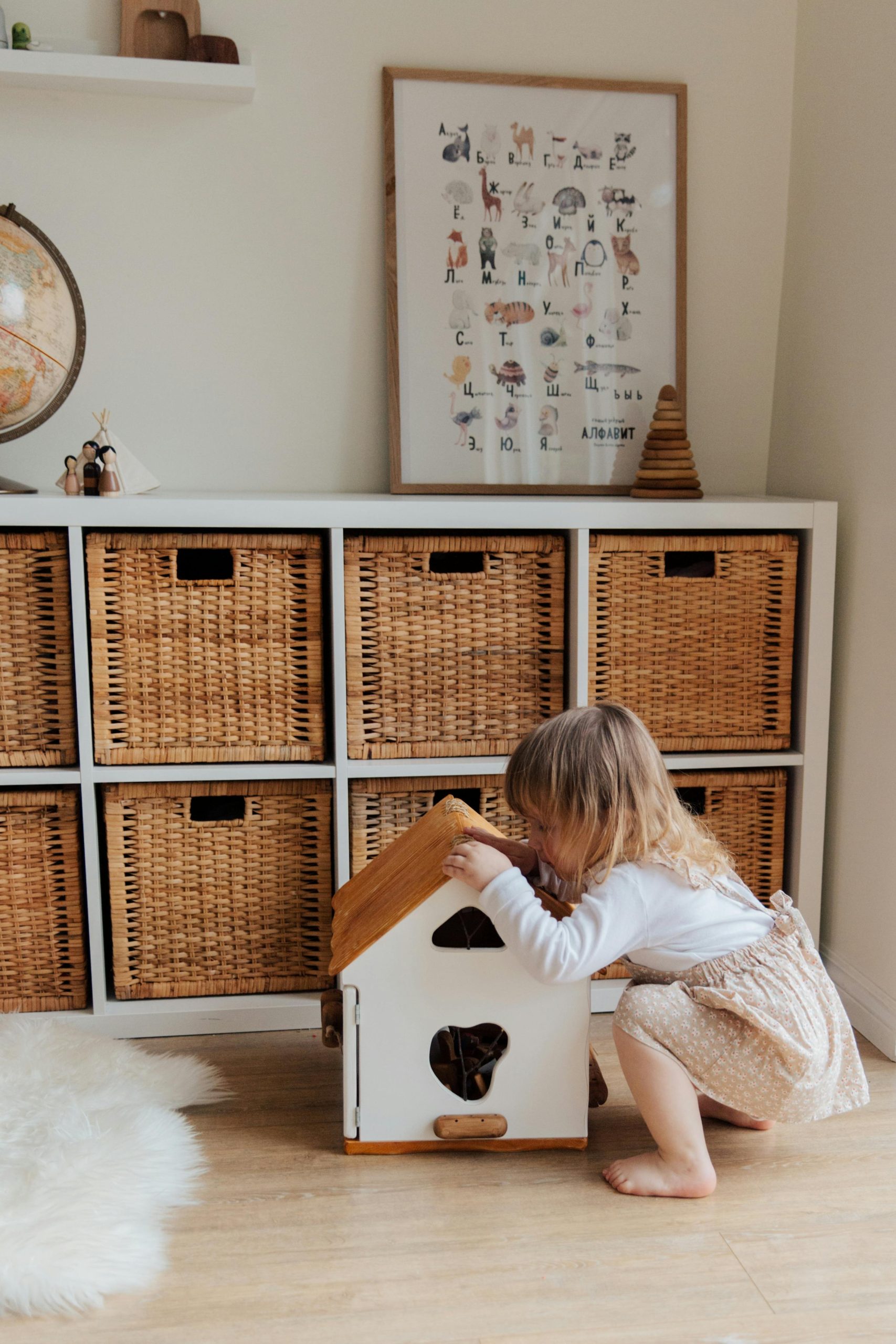
Child curiosity psychology is a fascinating and essential topic within the broader field of child psychology. It is widely recognized that curiosity drives much of the learning and cognitive development in children. Understanding the mechanisms behind children’s curiosity offers valuable insights into their learning processes, habit formation, and overall development, including the effects of the environment on curiosity and the role of the social context in shaping inquisitive behavior. This article provides an overview of child curiosity psychology, exploring its importance in childhood growth, the role it plays in learning and behaviour, and the implications for parents, educators, and child psychologists. However, an ongoing issue in the field is determining how best to foster curiosity while addressing the challenges of measuring and supporting it across diverse developmental stages.
The Importance of Child Curiosity Psychology
Curiosity is a natural and powerful driver of learning and development in children. It serves as a foundation for the development of motor skills, memory, and cognitive associations. From the earliest stages of childhood, curiosity motivates kids to explore their environment, ask questions, and seek new information. This interest development is closely linked to the effects of the environment on the brain’s growth and the strengthening of neural pathways, including the strength of the associations formed, which supports memory consolidation and learning.
The importance of curiosity in child development cannot be overstated. It influences not only intellectual growth but also emotional well-being and self-confidence. Children who are encouraged to be curious tend to develop higher self-esteem and stronger problem-solving skills. These benefits contribute to better performance in school contexts and beyond, fostering a lifelong love of learning.
Why Kids Ask ‘Why’ a Hundred Times: The Psychology of Repetition
If you’ve ever spent time with a curious child, you’ve probably been hit with an endless stream of “Why?” questions. “Why is the sky blue?” “Why do birds fly?” “Why do I need to eat vegetables?” It is well established that repetition plays a crucial role in learning and memory formation. At some point, parents and teachers may sigh in exhaustion, wondering if the questions will ever end, but the effects of the repeated questions—acting as repeated stimulus—are significant for cognitive development.
But here’s the secret: those repeated “whys” aren’t just about curiosity—they’re also a powerful psychological tool for learning, and anyone seeking to acquire or reinforce new knowledge can benefit from this process.
The Role of Repetition in Learning
Repetition of the stimulus strengthens memory. In psychology, this is called spaced repetition or rehearsal, where revisiting the same concept or repeatedly presenting the same stimulus increases the strength of the associations and creates stronger neural connections. For children, asking “why” is their natural way of revisiting and reinforcing new knowledge.
Each time they ask the question, they aren’t just seeking an answer—they’re testing the consistency of the information. When the answer holds up across repeated explanations, it becomes more reliable in the strength of the developing memory in their minds.
The “Why” Chain and Deeper Understanding
Psychologists often refer to the Socratic method or the Five Whys technique: asking “why” multiple times helps peel back layers of reasoning until the root cause or concept becomes clear, deepening the depth of the understanding.
For example:
“Why do I need to eat vegetables?”
Because they help your body grow.
“Why do they help me grow?”
Because they have vitamins and nutrients.
“Why do I need vitamins?”
Because they keep your body healthy and strong.
By the third or fourth why, a child has moved from a surface-level answer to a deeper understanding of nutrition and health.
Repetition Builds Confidence
Children also repeat questions for reassurance. According to developmental psychology, repeated questioning helps children confirm the stability of the answer in their world. If the answer changes from one adult to another, confusion sets in. If it remains consistent, the child gains confidence in their understanding.
How Adults Can Use This Technique Too
Interestingly, the psychology of repetition isn’t just for kids—it’s a valuable learning strategy for adults too, and the benefits of the technique can be experienced by anyone seeking to acquire or reinforce new skills or knowledge. Students, professionals, and lifelong learners can apply the same principle by:
- Asking “why” multiple times when learning a new topic.
- Using spaced repetition flashcards or study tools.
- Teaching or explaining concepts repeatedly to strengthen recall.
The next time you find yourself frustrated by a child’s endless curiosity, remember that they’re building powerful learning habits we could all benefit from.
The Role of Curiosity in Learning and Habit Formation
Curiosity plays a crucial role in the processes of learning and habit formation. When people, especially children, encounter new information or experiences, their curiosity triggers a desire to understand and master these challenges. This motivation leads to repetition and practice, which are essential for consolidating knowledge and developing skills over time. The strength of the associations or habits formed through curiosity-driven learning can significantly impact long-term retention and behavior.
Child psychologists emphasize that curiosity-driven learning is more effective because it engages the brain’s natural reward systems. The power of curiosity lies in its ability to make learning enjoyable and meaningful. For example, when children are curious about a topic, they are more likely to retain information and form lasting associations. This effect highlights the importance of nurturing curiosity as a service to a child’s cognitive and emotional growth.
Memory Consolidation: How Curiosity Strengthens What Children Remember
Memory consolidation is a vital process in child development, transforming everyday experiences and new learning into lasting memories. In the field of child psychology, experts recognize that curiosity is a driving force behind this process. When children are curious, they are naturally motivated to explore, ask questions, and engage deeply with the information around them. This heightened engagement helps the brain focus attention and process new knowledge, making it more likely that the information will be stored for the long term.
The service of curiosity in memory consolidation is especially important for young learners. When a child is interested in a topic, their brain is more active and receptive, which strengthens the associations between different pieces of information. This is why children who are encouraged to follow their interests often show greater retention and understanding of what they learn. The development of memory is not just about storing facts—it’s about building connections that support future learning and growth.
Repetition also plays a crucial role in memory consolidation. Each time a child practices a new skill or revisits a concept, the neural pathways in the brain become stronger. For example, learning to tie shoes or ride a bike may seem challenging at first, but with repeated practice, these tasks become second nature. This process of repetition helps children develop motor skills and boosts their self-esteem as they see their own progress over time.
Child psychologists highlight that the effects of curiosity and repetition go beyond academic learning. As children practice and master new abilities, they build self-confidence and a sense of accomplishment. The brain’s reward system is activated by curiosity, releasing chemicals like dopamine that reinforce learning and make the experience enjoyable. This not only supports memory consolidation but also encourages children to keep exploring and learning.
Parents and caregivers play a key role in supporting memory consolidation. By creating a nurturing environment and offering opportunities for repetition and exploration, adults help children feel safe to ask questions and try new things. Encouraging curiosity and providing positive feedback can make a significant difference in a child’s development, helping them build a strong foundation for future success.
The evidence from child psychology research is clear: children who are able to consolidate their memories and retain new information are better equipped to perform well in school and adapt to new challenges. The benefits of strong memory consolidation include improved academic performance, higher self-confidence, and a greater capacity for lifelong learning. By prioritizing curiosity and supporting the development of memory, parents, educators, and child psychologists can help children reach their full potential and enjoy the many rewards of learning and growth.
Influences on Child Curiosity and Development
Several factors influence the development of curiosity in children. Parents and caregivers play a significant role by providing a supportive environment that encourages exploration and experimentation. Positive reinforcement and opportunities for safe risk-taking help kids build confidence and develop their interests. The influence of the environment is crucial in shaping these early experiences.
The brain’s development during childhood also affects curiosity. As neural connections strengthen, children become better equipped to process complex information and solve problems. Psychologists, including those contributing as authors to resources like Encyclopaedia Britannica and Psychol Rev articles, have documented these developmental milestones and their relationship to curiosity.
Moreover, the social context, including interactions with people such as peers and educators, shapes curiosity and learning behaviours. Group activities and collaborative learning can stimulate curiosity by exposing children to diverse perspectives and challenges.
The Role of the School Context
The school context is a critical environment where child curiosity psychology plays out daily. Schools provide structured opportunities for children to engage with new information, ask questions, and develop habits of inquiry. Effective educators recognize the importance of fostering curiosity by creating lessons that encourage exploration and critical thinking rather than rote memorization.
Incorporating curiosity-driven learning strategies within the school context can enhance student engagement and academic achievement. This includes using project-based learning, inquiry-based approaches, and providing time for reflection and discussion. By understanding how curiosity functions in the school setting, educators and child psychologists can collaborate to design interventions that nurture curiosity and support diverse learners.
Challenges and Problems Associated with Curiosity
While curiosity generally has many benefits, there can be challenges associated with it. For example, some children may experience conflict between their curiosity and external constraints, such as strict rules or limited resources. This conflict can sometimes lead to frustration or reduced motivation. An important issue in this context is the unresolved question of how best to support curiosity while ensuring safety and productive learning.
Additionally, problems may arise if curiosity is not supported appropriately. Without guidance, children might develop habits that are counterproductive or unsafe. Child psychologists highlight the importance of the balance between freedom and structure to harness curiosity effectively for positive development.
Conclusion: The Power and Benefits of Curiosity in Childhood
In summary, child curiosity psychology is a vital area of study that sheds light on the mechanisms behind children’s learning and development. Curiosity fosters the development of motor skills, memory, and cognitive associations, all of which contribute to a child’s growth and well-being. By understanding the influences and challenges related to curiosity, parents, educators, and child psychologists can better support children’s natural inclination to explore and learn.
The evidence from research and expert articles underscores the importance of nurturing curiosity as a means to enhance self-confidence, problem-solving abilities, and academic performance. The benefits of the findings in this field highlight how fostering curiosity in childhood lays the groundwork for lifelong learning and personal growth, benefiting individuals and society as a whole.
Comments are closed