Understanding Speech & Language Difficulties in Young Children
Supporting communication readiness for learning through psychology-informed intervention
Understanding Early Speech & Language Difficulties
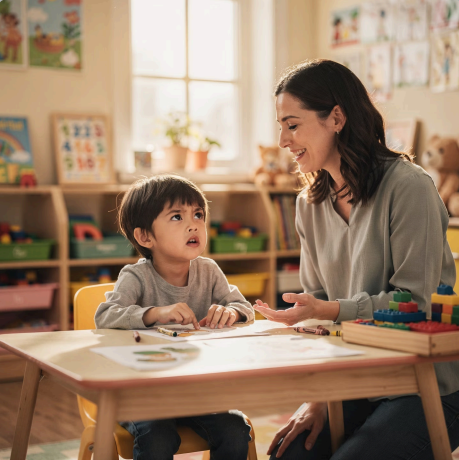
Some children begin talking later than expected. Others speak, but their words are unclear, sentences are short, or ideas come out in fragments. At home, parents may notice that their child understands what is said but struggles to express thoughts clearly. In other cases, the child talks a lot, yet conversations feel disorganised or difficult to follow.
In preschool settings, these challenges become more visible. Teachers may observe that the child has difficulty following group instructions, expressing needs, or participating in class discussions. Misunderstandings occur easily, leading to frustration, withdrawal, or emotional outbursts.
For many families, the first response is to seek help through hospitals, developmental clinics, or formal assessments. Some parents may already have a diagnosis, such as Autism Spectrum Disorder, where communication difficulties are a known concern. Others are told to monitor progress and wait.
Speech and language difficulties can affect more than spoken words. They influence understanding, expression, social interaction, and early learning participation. When communication breaks down, learning becomes harder, not because of a lack of intelligence, but because language is the foundation for learning.
What Speech & Language Difficulties Look Like in Preschool
Following Instructions
Children may struggle to follow group instructions, especially when tasks involve multiple steps.
Expression Challenges
Some understand more than they can express, relying on gestures or short phrases. Others speak in longer sentences, but ideas may be disorganised.
Social Interaction
Children may find it difficult to take turns, respond appropriately, or participate in group play.
These challenges are often misinterpreted as inattentiveness or non-cooperation, affecting confidence over time.
Why Therapy Alone May Sometimes Feel Insufficient
Speech therapy is often the appropriate first step when communication difficulties are identified. However, progress may feel slow, and improvements may not immediately transfer into daily learning contexts.
In response, some families turn to phonics or enrichment classes without understanding the strengths of clinical therapy. This can place children in learning environments that assume language readiness before it has fully developed.
Learning intervention does not replace therapy. Instead, it supports skill transfer by reinforcing communication use in learning and daily contexts.
When Therapy Is Needed and Where Learning Intervention Fits
Different forms of support play different roles in supporting communication development.
How Cognitive Supports Communication for Learning
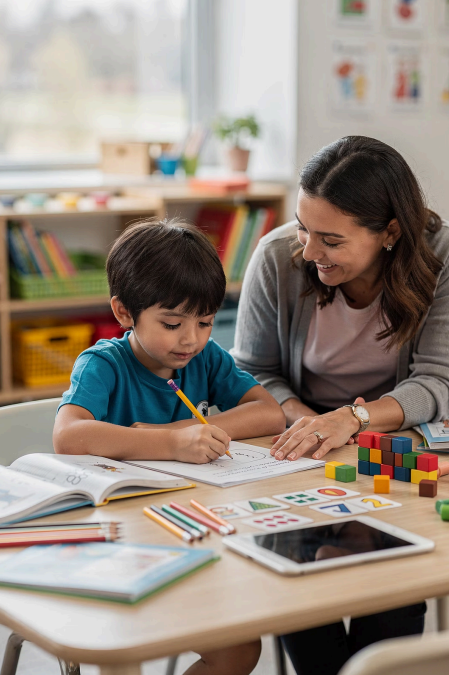
Cognitive supports communication through learning intervention, focusing on how children use language to understand, express, and participate in learning. Support is flexible and aligned with each child’s readiness.
Where therapy is ongoing, learning intervention reinforces therapeutic goals within meaningful learning contexts. Parents are guided on how to support communication naturally at home.
Who This Support Is Suitable For
Difficulty Following Instructions
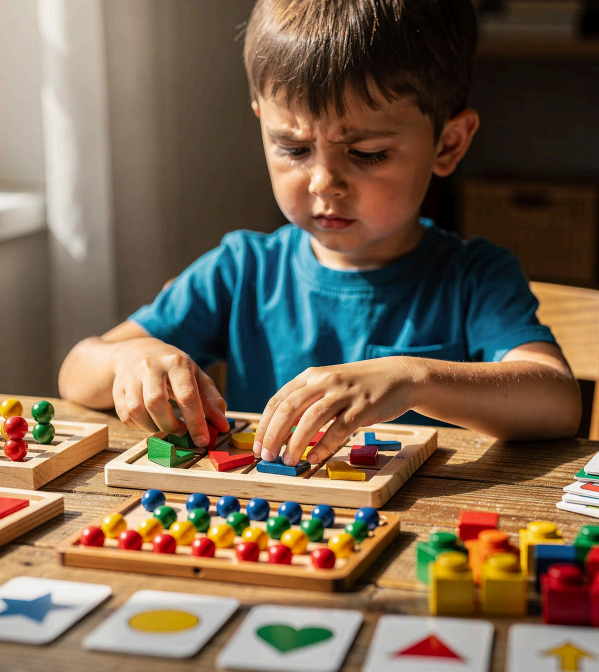
Young children who struggle to follow instructions in early learning settings
Challenges Expressing Ideas
Children who find it difficult to express ideas clearly or confidently
Participation Concerns
Those who struggle to participate confidently in early learning activities
Children may or may not have a formal diagnosis. Support is guided by readiness and communication needs rather than labels.
How This Fits Within the Learning Intervention Pathway
Early Entry Point
Communication support often serves as an early entry point within the learning intervention pathway
Complementary Support
As children grow, support may be complemented by literacy or academic intervention
Flexible Pathway
The pathway remains flexible, adjusting to the child’s development over time
The intervention pathway is individualised, responding to each child’s unique communication and learning needs as they develop.
Progress and Outcomes
Progress is often gradual. When learning intervention complements speech therapy, progress may be observed more clearly as children apply skills across settings.
Improved Understanding
Parents may notice improved understanding of instructions and conversations
Better Expression
Enhanced ability to express thoughts, needs, and ideas more clearly
Reduced Frustration
Decreased frustration as communication becomes more effective
Increased Confidence
Greater confidence in learning situations and social interactions
Progress is individualised and not measured against peers. Each child’s journey is unique and respected.
Ready to Take the Next Steps?
An initial discussion can help parents clarify their child’s needs and understand how learning intervention may support communication readiness.
Cognitive Development Learning Centre is a Singapore-based learning intervention centre established in 2009, supporting children through customised, psychology-informed learning intervention.
2009
Established
Years of experience in learning intervention
100%
Customised
Psychology-informed approach