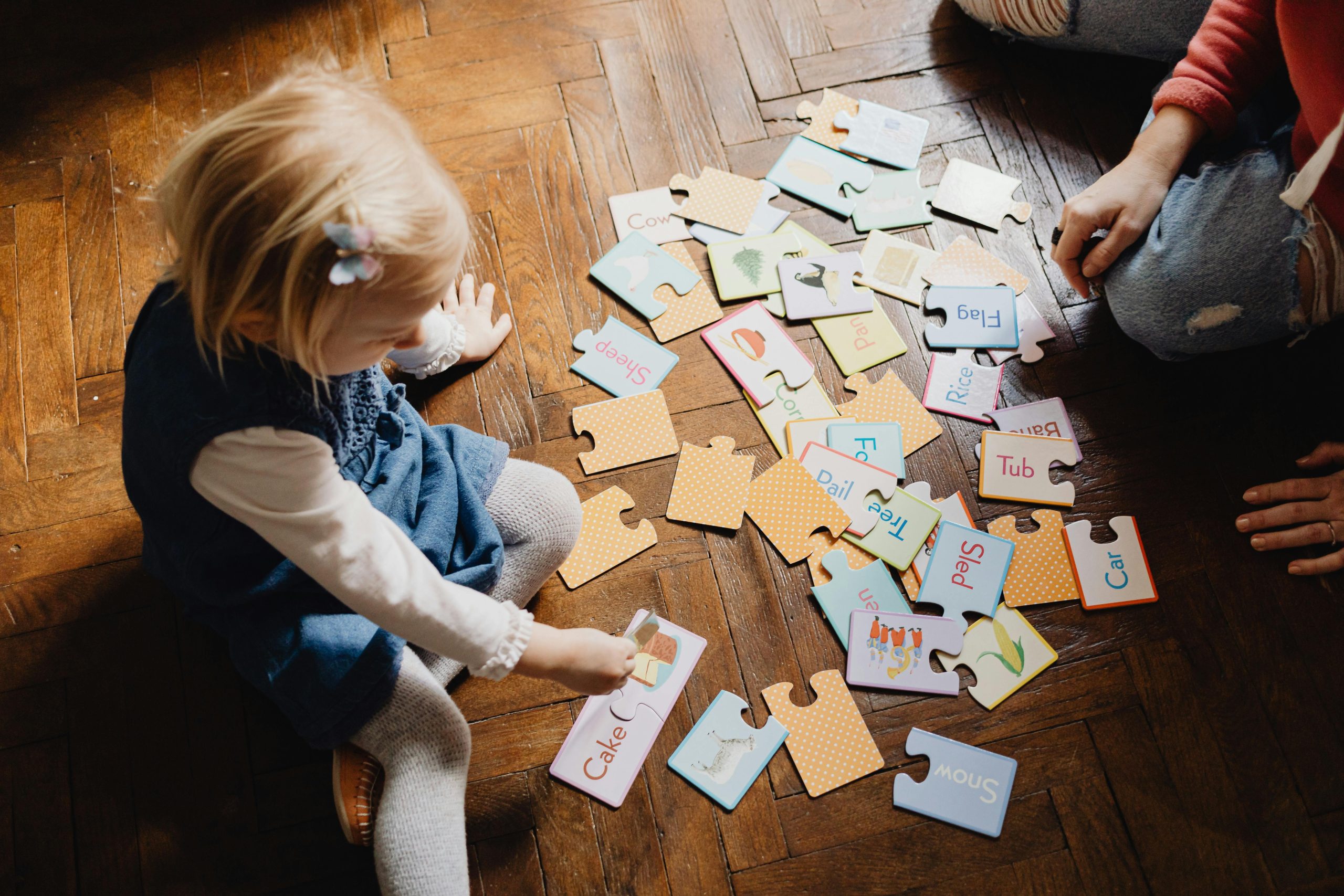
When your child speaks fluently but struggles with listening and understanding, it can be confusing. This situation often involves language processing difficulties rather than just language ability itself. This article will explore the difference between language processing difficulties and language development, helping parents better understand and address their child’s challenges in language and hearing.
Difference Between Language Processing Difficulties and Language Ability
Language processing difficulties refer to challenges the brain faces in receiving, recognizing, and understanding language information. Although your child may clearly pronounce various speech sounds and words, the key is the ability to process and interpret this information accurately. In language assessment, there are specific tasks designed to evaluate the development of the child’s language skills, such as distinguishing between similar sounds or understanding instructions. Diagnostic criteria often involve specialized terms to describe different aspects of language processing. Even if your child can say words such as “cat,” “dog,” or “banana” clearly, they may still have trouble “hearing” or “processing” this information.
This difficulty is different from language delay or language disorder, which are types of disorders that usually show as slower or abnormal development in certain language skills. In language processing, understanding the meaning of words is crucial; the meaning of the words and sentences helps your child make sense of what they hear. For example, your child may correctly produce consonants and speech sounds and even use complex vocabulary, but still have difficulty understanding speech in noisy environments. This is likely related to auditory processing disorder (APD), a neurological condition affecting how auditory information is processed. Parents can use these observations to track your child’s progress and seek professional advice if needed.
Signs and Impact of Language Processing Difficulties
Children with language processing difficulties often show noticeable differences in hearing and understanding, especially in environments like home or school. They may hear sounds but cannot effectively process them, leading to problems understanding speech and vocabulary meaning. Understanding vocabulary meaning is vital for language development. Specific signs include:
- Difficulty understanding speech in noisy environments
- Frequently asking for instructions or information to be repeated
- Insensitivity to subtle differences in speech sounds such as pitch and voice
- Showing confusion or lack of attention during communication
- Difficulty identifying and pointing to body parts like nose and lips
- Inability to correctly understand or use common words such as “mom” or “bye bye”
- Slow or inappropriate responses when interacting with others
For babies, if they do not respond to a parent’s voice by six months or fail to meet typical language development milestones at various ages, parents should pay close attention.
These difficulties not only affect the child’s language skills and communication ability but also impact learning and social interaction with others. Parents should monitor their child’s language and speech development milestones to detect potential issues early. Using professional guides to track developmental progress according to different ages can help ensure the child’s growth is on track.
Relationship Between Language Processing Difficulties and Auditory Processing Disorder
Auditory processing disorder (APD) is a condition affecting the auditory system’s function, where the brain struggles to process sound signals despite normal hearing tests. APD affects people of all ages, including children and adults, though symptoms and brain adaptability may vary. The main challenge in APD is the brain’s accurate interpretation of sounds, which affects the ability to extract meaning from language.
APD impacts auditory memory, sound discrimination, and attention, making it hard for individuals—especially children—to understand complex or rapid speech. Using specific strategies like auditory training and environmental modifications can help manage these challenges. APD assessment involves tasks such as sound discrimination and memory recall, and professionals use specialized terms during diagnosis and treatment planning. Speech-language pathologists and audiologists guide intervention and support for individuals with APD, tracking progress to ensure effective treatment.
For example, a child may struggle to hear simple words like “bye bye” or distinguish between similar-sounding words, which affects language comprehension and understanding spoken language. APD may also be associated with other developmental disorders such as autism and dyslexia.
Key Milestones in Language Development
Key milestones in language development are essential parts of every child’s growth. Understanding these milestones helps parents and educators track language progress and detect possible delays or disorders such as language delay or auditory processing disorder.
In infancy, children communicate through crying and cooing, marking the beginning of language development. As they grow, children imitate adult speech, try producing different sounds, and start to understand simple vocabulary. Around one year old, children typically say their first meaningful words, such as “mama” or “dada.” By age two, vocabulary expands rapidly, and children can use simple phrases like “want water” or “hug me.”
Around age three, children begin to use complete sentences to express more complex ideas and understand simple instructions. This stage shows significant progress in speech sounds, vocabulary, and grammar. Between ages four and five, language skills improve further, enabling children to tell simple stories, understand abstract concepts, and differentiate speech sounds and word meanings.
However, some children may face challenges during these stages. For example, auditory processing disorder affects how children process language information even with normal hearing, making it difficult to understand speech in noisy environments. Language delay appears when children lag behind peers in learning or using language.
Parents and educators should closely observe language development at each stage and seek professional evaluation and support if children have persistent difficulties in understanding, expressing, or processing language. Providing a rich language environment, patient guidance, and scientific intervention can effectively promote language skills and help children navigate key developmental stages successfully.
Understanding and paying attention to language development milestones is the first step in helping children overcome language barriers and improve communication. Early detection and intervention for auditory processing disorder or language delay lay a solid foundation for children’s growth and learning.
How to Support Children with Language Processing Difficulties
When parents notice signs of language processing difficulties in their child, they should seek professional evaluation and guidance promptly. Speech therapists conduct assessments using specialized terms to identify challenges and develop personalized intervention plans. Parents can refer to developmental guides to understand language milestones and access more information on this page.
Effective support strategies include:
- Creating communication-friendly environments in quiet rooms, reducing background noise
- Using clear, simple language at home or in the classroom, avoiding complex sentences
- Employing visual aids such as pictures and gestures to enhance understanding
- Providing targeted auditory training tasks to improve processing and auditory memory
- Continuously tracking your child’s language development progress and adjusting support based on assessment results
Parents should actively participate in their child’s language development, understand key skills at each stage, and promote simultaneous improvement in listening and speaking abilities. Consulting therapists about intervention effectiveness and following guidance on this page can help optimize home support plans.
Difference Between Language Processing Difficulties and Language Development
Language development is the gradual acquisition of language skills such as listening, speaking, reading, and writing from infancy, varying across ages and stages. Babies learn language through interaction, play, and exposure to sounds and words. As children grow, their language abilities develop toward adult levels of comprehension and communication.
Language processing difficulties focus on the brain’s capacity to handle language information and can affect both children and adults. Though related, they differ fundamentally in mechanisms and affected populations. Language development problems, such as delay or disorders, manifest as slower or abnormal acquisition or use of language, diagnosed through specific terms and assessment tasks.
Language processing difficulties may cause individuals to struggle with understanding and using language effectively even when their language skills seem normal. The meaning of words and sentences is central to language development, and difficulties in grasping meaning significantly impact communication.
Understanding this distinction helps parents and educators craft appropriate support strategies. Using developmental guides to monitor language milestones ensures early identification and timely intervention.
Conclusion: Pay Attention to Your Child’s Language Processing to Foster Overall Growth
If your child “talks well but doesn’t listen,” it may indicate language processing difficulties. Early identification and intervention can improve listening comprehension and communication skills. With professional assessment and scientific training, your child can overcome language processing challenges and progress smoothly through language development stages.
Parents should monitor their child’s hearing and language growth, learn about language processing difficulties, and collaborate with professionals to create a supportive language learning environment. This will help children better understand the world, enhance communication, and thrive in their development.
Additional Insights: Understanding the Underlying Processes of Language Processing
Language processing involves multiple brain functions working together to help people of all ages—including babies, children, and adults—understand and use language. It includes auditory processing (hearing and interpreting sounds), cognitive processing (understanding and making sense of information and meaning), and expressive skills (using language, voice, lips, and even the nose to communicate). Using specific strategies such as interactive play and age-appropriate tasks supports your child’s development. When any of these processes are impaired, individuals may experience language processing difficulties, affecting communication and interpretation of words and sounds.
The auditory pathway in the brain is key to effective language processing. The brain’s auditory pathways must efficiently transmit sound signals from the ear to language centers. In speech development, babies and children rely on their voice, lips, and nose to produce sounds and words. In children with auditory processing disorder, this transmission is disrupted, causing difficulties distinguishing similar sounds or filtering background noise. This affects their ability to follow conversations, especially in noisy settings like classrooms. Parents and professionals can use guides outlining developmental milestones by age to monitor progress and decide when to seek additional support.
The Role of Speech-Language Therapists and Audiologists
Professionals such as speech-language therapists and audiologists play crucial roles in diagnosing and managing language processing difficulties. These challenges affect children, adults, and others with language processing issues. Audiologists conduct hearing and auditory processing assessments in quiet rooms or clinics, ruling out hearing loss and identifying specific auditory deficits. Speech therapists assess language comprehension and expression, using specialized terms to refine diagnoses and design personalized treatment plans.
Therapists arrange targeted tasks to improve auditory discrimination, memory, and sequencing, emphasizing understanding and expression of meaning. Treatment includes using various strategies and tools to help children cope with difficulties in daily life. Families supporting each other at home greatly enhance therapy effectiveness. Timely professional help is key to improving language and auditory processing skills for both children and adults.
Encouraging Language and Listening Skills at Home
Parents can support language processing development through everyday activities and specific tasks at home:
- Engage in regular conversations using clear, simple language, emphasizing word meanings. Encourage words like “big,” “soft,” and “happy” to expand vocabulary.
- Read books together in quiet rooms, pointing to pictures and naming objects like nose, lips, and familiar people to build vocabulary and understanding. Choose age-appropriate books and toys for babies and children.
- Play listening games requiring attention to sounds, following instructions, and recognizing voice differences. Encourage imitation of sounds using lips and voice, and identification of body parts.
- Reduce background noise during important communication to help focus on conversation meaning.
- Encourage your child to ask questions, express confusion, and take turns talking to build social skills.
- Assign simple tasks like sorting objects or following multi-step directions to practice listening and comprehension.
- Use visual aids, gestures, and interactive games to enhance learning effectiveness.
- Track your child’s progress by noting new words, responses to voice, and ability to follow instructions at each developmental stage.
Refer to developmental guides or this page for detailed information on expectations at different ages and ways to support your child. In a supportive environment, people help each other grow, and your involvement is key to your child’s communication success.
When to Seek Professional Help
If your child frequently misunderstands instructions, asks for repetition, struggles in noisy environments despite normal hearing, or has difficulty recognizing words such as “nose,” “lips,” or “voice,” it may signal language processing disorders. These issues can affect babies, children, and adults. People with such disorders may struggle to understand the meaning behind words or sentences and may not respond appropriately to descriptive words or instructions.
In supportive settings like clinics, therapists conduct specific tasks during assessments to determine the nature of your child’s difficulties. They use professional terms to describe evaluation results and may recommend targeted strategies or tools to support development. Interactive games, age-appropriate toys, and communication exercises foster progress, especially for babies and young children.
Every child develops at their own pace, but persistent challenges in using words, understanding meaning, or interacting warrant evaluation. Speech and language therapists provide guides to track progress after intervention, helping monitor improvements over time. This page also offers further information and support.
If you have concerns about your child’s development or notice symptoms in adults or others, seek professional advice early. Support networks where families help each other can be valuable. Early intervention and qualified therapist guidance make a significant difference in communication and overall success.
Comments are closed