In a world full of screens, fast-paced routines, and constant stimulation, children are more distracted and overwhelmed than ever. Many find it difficult to sit still, stay focused, or manage big emotions. While these challenges are common in childhood, one simple practice can make a significant difference: mindfulness.
Mindfulness is the ability to be present — to notice thoughts, feelings, and surroundings without judgment. Mindfulness helps children become aware of both their internal and external experiences, such as their inner thoughts and feelings as well as what is happening around them. When explaining mindfulness to children, it’s important to use practical strategies such as storytelling, hands-on activities, and relatable examples to introduce the concept in a simple, engaging, and accessible way. This approach ensures that children can easily understand and practice mindfulness. For children, this skill builds the foundation for strong cognitive control, emotional regulation, and overall wellbeing. Through simple and age-appropriate mindfulness activities, children learn how to calm their minds, manage stress, and strengthen their attention in natural, healthy ways. Mindfulness activities should be tailored to each stage of a child’s life, ensuring that practices are developmentally appropriate to maximize benefits and effectiveness.
Why Mindfulness Matters for Children
Mindfulness is not just a wellness trend; it is a powerful tool backed by research. The benefits of mindfulness include improved focus, emotional regulation, social skills, mental health, and overall well-being, especially for children. Studies show that children who practise mindfulness regularly experience improvements in:
- Attention and concentration
- Working memory
- Self-control and patience
- Emotional regulation
- Stress and anxiety management
- Social skills and empathy
These skills support school performance, behaviour, and mental health — but more importantly, they help children feel more confident and in control of their inner world. Mindfulness practices can be adapted to each stage of a child’s life, ensuring that every child receives the maximum benefit at every developmental level.
How Mindfulness Supports Cognitive Control
Cognitive control is the brain’s ability to focus, manage impulses, and switch between tasks. These abilities are key components of executive function, a set of cognitive skills that include attention, self-regulation, cognitive flexibility, inhibitory control, and working memory. When children practise mindfulness, they strengthen the brain areas responsible for these functions, particularly the prefrontal cortex.
Here’s how mindfulness enhances cognitive control:
Research shows that mindfulness based interventions can improve executive function in children, supporting their behavioral regulation and academic success.
1. Strengthens Attention Pathways
Mindfulness teaches children to direct and hold their attention on one thing — a breath, a sound, or an object. This intentional focus trains the brain to concentrate better, even when distractions arise.
Through mindfulness activities, students learn to direct their attention more effectively, building skills that support focus and concentration.
2. Improves Working Memory
During mindfulness activities, children learn to stay present and observe without reacting. This quieting of the mind supports stronger working memory — one of the core executive functions — which is the ability to hold and process information, essential for learning.
3. Supports Self-Regulation
Mindfulness allows children to pause before reacting. This moment of awareness helps them manage impulses and emotions, leading to better decision-making and behaviour control, supporting both emotional and behavioral regulation.
4. Reduces Mental Overload
Children often absorb more stimulation than they can process. Mindfulness provides mental rest, helping the brain slow down, reset, and function more clearly, and can also reduce stress.
Mindfulness in Early Childhood: Foundations for Lifelong Focus
Introducing mindfulness in early childhood provides a strong foundation for lifelong focus, emotional regulation, and resilience. Practicing mindfulness with young children helps them develop essential self-regulation skills, such as recognizing and managing their emotions, building self-awareness, and learning to pay attention in the present moment. Early childhood is a critical period for developing these abilities, as children’s brains are rapidly growing and highly receptive to new experiences.
Teaching mindfulness in early childhood settings can be simple and engaging. Mindfulness activities for kids—like deep breathing exercises, guided meditation, and playful sensory games—are easy to incorporate into daily routines. For example, taking a few deep breaths together before starting a new activity, or practicing mindful listening during circle time, can help young children manage stress and build self-regulation skills. These practices not only support mental health and emotional regulation, but also enhance classroom harmony and prepare children for academic success.
By making mindfulness a regular part of early childhood programs, educators and caregivers can help young children develop the tools they need to thrive in school and beyond. Practicing mindfulness from a young age sets the stage for a lifetime of healthy coping strategies, improved focus, and greater emotional wellbeing.
Mindfulness for Emotional Regulation
Mindfulness helps children understand and manage their emotions more effectively. Mindfulness practices play a key role in supporting children’s emotional health by helping them recognize and cope with their feelings in healthy ways.
When a child learns to notice how they feel — whether they’re angry, sad, anxious, or excited — they gain the power to respond calmly rather than react impulsively, which is essential for developing strong self regulatory skills.
Key emotional benefits include:
- Recognising emotions as they arise
- Learning healthy ways to cope with stress
- Building resilience in difficult moments
- Developing empathy and compassion
- Feeling more grounded and confident
These benefits are the result of developing mindfulness skills, which help children manage emotions and stress effectively. Children can also use mindfulness tools to support their emotional wellbeing in both educational and home environments.
By using mindfulness, children develop inner tools that support emotional stability throughout their lives.
Simple Mindfulness Activities for Children
Mindfulness doesn’t need to be complicated. Here are child-friendly practices that can be done at home or in school:
These mindfulness activities for kids include sensory exercises, crafts, music, and movement, all designed to help children develop mindfulness skills in a fun and engaging way.
Encourage children to practice mindfulness regularly through these activities to help them manage stress and improve emotional regulation.
4.7 Square Breathing
Square breathing is a structured breathing technique that involves inhaling for four seconds, holding the breath for four seconds, exhaling for four seconds, and holding again for four seconds. This method helps promote relaxation and focus, making it especially suitable for older children and mindfulness practices.
1. Deep Breathing (Belly Breaths)
Have the child place a hand on their belly and take slow, deep breaths, practicing belly breathing. To help visualize their breathing, they can place a stuffed animal on their belly and watch it rise and fall with each breath. Encourage the child to notice the relaxation that comes with each out breath.
Benefits: Calms the nervous system, reduces stress, boosts focus.
2. Sensory Awareness (“5-4-3-2-1”)
Ask the child to identify:
5 things they can see,
4 things they can touch,
3 things they can hear,
2 things they can smell,
1 thing they can taste.
Benefits: Grounds children in the present moment and reduces anxiety.
3. Mindful Listening
Play a gentle sound (like a chime) and ask the child to focus until the sound fades completely.
Benefits: Sharpens auditory attention and patience.
4. Guided Imagery
Have the child imagine a peaceful place — a beach, forest, or floating cloud. Describe it slowly and vividly, using guided practice to lead the child through the imagery step by step.
Benefits: Reduces stress and improves emotional awareness.
5. Mindful Movement (Slow Stretching or Yoga)
Simple poses or slow movements encourage body awareness and calmness.
Benefits: Combines physical and mental mindfulness for better regulation.
6. “Mindful Jar” Activity
Shake a jar filled with glitter and water. As the glitter settles, explain how thoughts and emotions settle when we pause and breathe. This activity is especially helpful for young kids, as it helps them manage emotions and develop mindfulness.
Benefits: Helps young children visualise calming down.
Mindfulness and Nature: Connecting with the Outdoors
Practicing mindfulness in nature offers children a unique opportunity to slow down, tune into their senses, and develop a deeper sense of self awareness. Teaching mindfulness outdoors can be as simple as encouraging children to notice the sound of birds, the feel of grass under their feet, or the warmth of the sun on their skin. These mindfulness exercises help children build sensory awareness and body awareness, which are essential for emotional regulation and managing stress.
Mindfulness practice in natural settings can include mindful walking, sitting quietly and observing the environment, or taking deep breaths while focusing on the sights and sounds around them. These activities not only support mental health and social emotional learning, but also foster an appreciation for the environment and promote prosocial behavior, such as kindness and respect for living things.
Regular practice of mindfulness in nature can be a helpful tool for children to reset and recharge, especially when life feels overwhelming. By connecting with the outdoors, children can develop a greater sense of calm, resilience, and connection to the world around them—skills that support their wellbeing both now and in the future.
Mindfulness and Arts: Creative Expression for Focus
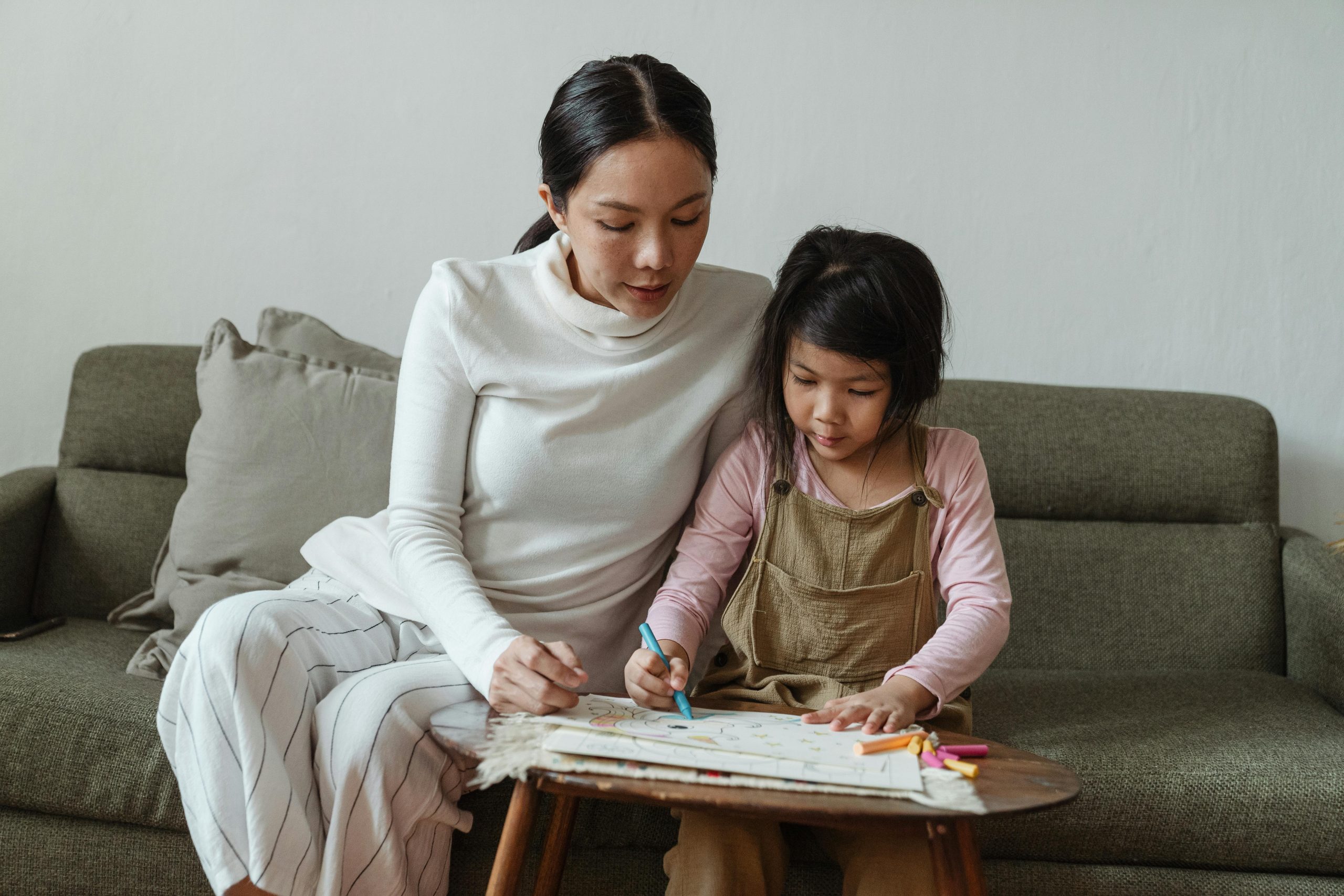
Combining mindfulness and the arts is a powerful way to help children express themselves while building focus and emotional awareness. Practicing mindfulness through creative activities—like painting, drawing, or sculpting—encourages children to pay attention to the present moment and notice their thoughts, feelings, and physical sensations as they create.
Teaching mindfulness in art can start with mindful breathing before beginning a project, or a guided meditation to help students settle their minds. Activities such as free drawing, mindful coloring, or collaborative art projects allow children to explore self awareness, self compassion, and self regulation skills in a supportive environment. These mindfulness practices help elementary school students and children of all age groups improve focus, boost self esteem, and develop emotional awareness.
Mindfulness-based art programs can be adapted for different abilities and interests, making them accessible and engaging for all children. By integrating mindfulness into creative expression, children gain confidence, learn to manage their emotions, and discover new ways to communicate and connect with others.
Mindfulness and Technology: Finding Balance in a Digital World
In today’s digital world, teaching mindfulness can help children develop healthy technology habits and maintain balance. Practicing mindfulness alongside technology use encourages children to become more aware of their screen time, notice how it affects their bodies and minds, and make conscious choices about when and how to engage with devices.
Mindfulness practices such as mindful breathing, mindfulness meditation, and body awareness exercises can be used before, during, or after screen time to help children reset and refocus. Mindfulness-based programs may include guided meditation, mindfulness exercises, and lessons on digital literacy and online safety, empowering children to use technology in ways that support their mental and physical health.
By practicing mindfulness in the context of technology, children develop self regulation skills and learn to take regular breaks, move their bodies, and stay present. These habits not only improve focus and self regulation, but also foster a healthier relationship with technology—one that supports overall wellbeing and lifelong digital balance.
Mindfulness and Sleep: Restful Routines for Young Minds
A restful night’s sleep is essential for children’s growth and wellbeing, and mindfulness can play a key role in establishing healthy sleep routines. Practicing mindfulness before bed—through guided meditation, deep breathing, or progressive muscle relaxation—helps children calm their minds and bodies, making it easier to fall asleep and stay asleep. Mindfulness practices can lead to improved sleep for children by helping them relax and manage stress before bedtime.
Teaching mindfulness as part of a bedtime routine can include gentle mindfulness practices such as listening to a calming story, focusing on the breath, or relaxing each part of the body in turn. These activities support self regulation skills and help children develop positive sleep habits that contribute to better overall health.
Mindfulness-based sleep programs can be tailored to fit each child’s needs, incorporating regular practice of relaxation techniques and consistent sleep schedules. By making mindfulness a part of nightly routines, children can improve their sleep quality, manage stress, and wake up feeling refreshed and ready to learn.
Mindfulness and Nutrition: Eating with Awareness
Mindfulness and nutrition go hand in hand when it comes to helping children develop healthy eating habits and a positive relationship with food. Practicing mindfulness during meals—by paying attention to the colors, smells, textures, and flavors of food—encourages children to slow down and appreciate each bite.
Teaching mindfulness in the context of nutrition can involve guided meditation before eating, mindful eating exercises, and activities that build sensory awareness, such as tasting and exploring new foods. These mindfulness practices help children develop self awareness and self regulation skills, making it easier to recognize hunger and fullness cues and make thoughtful food choices.
Mindfulness-based nutrition programs can be adapted for different age groups and abilities, making them a valuable tool for promoting healthy eating habits in children. By incorporating mindfulness into mealtimes, children learn to enjoy food, listen to their bodies, and support their overall wellbeing through balanced nutrition.
Support for Parents: Guiding Mindful Practices at Home
Parents are essential partners in helping children develop mindfulness skills, and practicing mindfulness together at home can strengthen family bonds and support everyone’s wellbeing. By modeling mindful behavior—such as taking a few deep breaths when feeling stressed, or pausing to notice the present moment—parents show children how to use mindfulness in everyday life.
Teaching mindfulness at home doesn’t require special equipment or a lot of time. Simple mindfulness practices, like sharing a guided meditation before bed, taking mindful walks, or practicing gratitude at mealtimes, can make a big difference. Parents can encourage their children to notice their breath, pay attention to their senses, and talk about their feelings in a supportive environment. These shared moments help children manage stress, build self-compassion, and develop greater self-awareness.
Mindfulness training for parents can also be beneficial, providing tools to manage stress and respond to challenges with patience and understanding. By practicing mindfulness as a family, parents and children can create a calm, nurturing home environment where everyone feels supported and connected.
Cultural Sensitivity: Embracing Diversity in Mindfulness
Mindfulness practices are most effective when they honor and reflect the diverse backgrounds of the children and families they serve. Embracing cultural sensitivity in mindfulness means adapting mindfulness activities, exercises, and programs to be inclusive and respectful of different traditions, beliefs, and experiences.
This can include incorporating culturally relevant imagery, music, or stories into guided meditations, or using mindfulness exercises that draw from familiar practices such as yoga, tai chi, or traditional breathing techniques. Mindfulness based stress reduction (MBSR) programs can be tailored to include elements that resonate with specific cultural groups, making mindfulness more accessible and meaningful for every child.
By promoting cultural sensitivity in mindfulness, educators and caregivers foster self-awareness, empathy, and prosocial behavior among children. Inclusive mindfulness activities help break down barriers, encourage respect for diversity, and create a sense of belonging in the classroom and community. When mindfulness is practiced in a way that values every child’s background, it becomes a powerful tool for building compassionate, connected communities.
Accessibility: Ensuring Mindfulness for Every Child
Making mindfulness accessible to every child is essential for promoting social emotional learning, self-regulation skills, and emotional health. Mindfulness activities and exercises can be adapted to meet the needs of children with different abilities, learning styles, and backgrounds. For example, preschool children may benefit from simple practices like belly breathing or body awareness games, while elementary school students can engage in more advanced activities such as guided meditation or participating in a mindfulness based kindness curriculum.
Mindfulness based cognitive therapy (MBCT) and other mindfulness based programs can be modified for various age groups and abilities, ensuring that all children have the opportunity to benefit from regular practice. Using visual aids, tactile objects, or movement-based mindfulness exercises can help children with disabilities or sensory needs fully participate. Consistent reinforcement and regular practice of mindfulness activities help reduce stress, improve focus, and support self-regulation, leading to better academic performance and overall wellbeing.
By prioritizing accessibility, educators and caregivers create inclusive environments where every child can develop mindfulness skills, build emotional resilience, and thrive both in and out of the classroom.
Making Mindfulness Part of Daily Life
Mindfulness works best when practiced regularly, as consistent engagement helps children develop lasting mindfulness skills. Parents and teachers can teach mindfulness by modeling mindful behavior and creating supportive environments. It is important to teach children mindfulness as part of daily routines to enhance their emotional regulation and resilience. There are many practical ways to teach kids mindfulness, such as using breathing exercises, gratitude meditation, and mindful walking. Kids learn mindfulness most effectively through engaging daily activities that are simple and fun. Structured mindfulness training programs can also support the development of these habits.
Here are easy ways to weave it into a child’s routine:
- Begin the day with one minute of deep breathing.
- Add a calming moment before homework.
- Practise sensory awareness during walks or car rides.
- Use guided imagery as a bedtime routine.
- Encourage mindful eating by noticing flavours and textures.
These simple habits help children stay calm, focused, and emotionally balanced throughout the day. Mindfulness for kids can be a powerful tool for improving well-being and supporting healthy development.
Long-Term Impact: Growing Mindful, Resilient Children
Children who grow up practising mindfulness develop inner strength that stays with them into adulthood. They’re better equipped to handle challenges, maintain focus, communicate clearly, and manage stress with confidence.
Research shows that introducing mindfulness at a young age, especially during early childhood, can have lasting benefits for self-regulation and emotional wellbeing. Mindfulness based cognitive therapy has been shown to help children manage anxiety, improve attention, and support emotional regulation. Programs like mindfulness based stress reduction are effective in reducing stress and promoting wellbeing in both children and adults. Mindful Schools and similar organizations bring structured mindfulness education to school environments, making it accessible for children in early childhood settings. Mindfulness work in educational settings has a positive impact on classroom atmosphere and supports both students and teachers. Studies highlight that very young children benefit from age-appropriate mindfulness practices, and starting at a young age maximizes developmental outcomes. Research comparing mindfulness interventions to a control group consistently finds greater improvements in executive function and emotional regulation among those participating in mindfulness programs.
Mindfulness teaches them that they have control over their thoughts and emotions — a powerful lesson that supports both cognitive development and emotional wellbeing.
Final Thoughts
Mindfulness is a natural, gentle way to help children build focus, emotional stability, and cognitive control. Incorporating meditation practice as part of mindfulness for children can enhance stress resilience, improve cognitive abilities, and support emotional regulation. In just a few minutes a day, they can learn lifelong skills that support healthier thinking, calmer reactions, and more resilient minds.
By guiding children through simple mindfulness practices, we give them tools that support not just their academic success, but their overall happiness and mental wellbeing.
Comments are closed