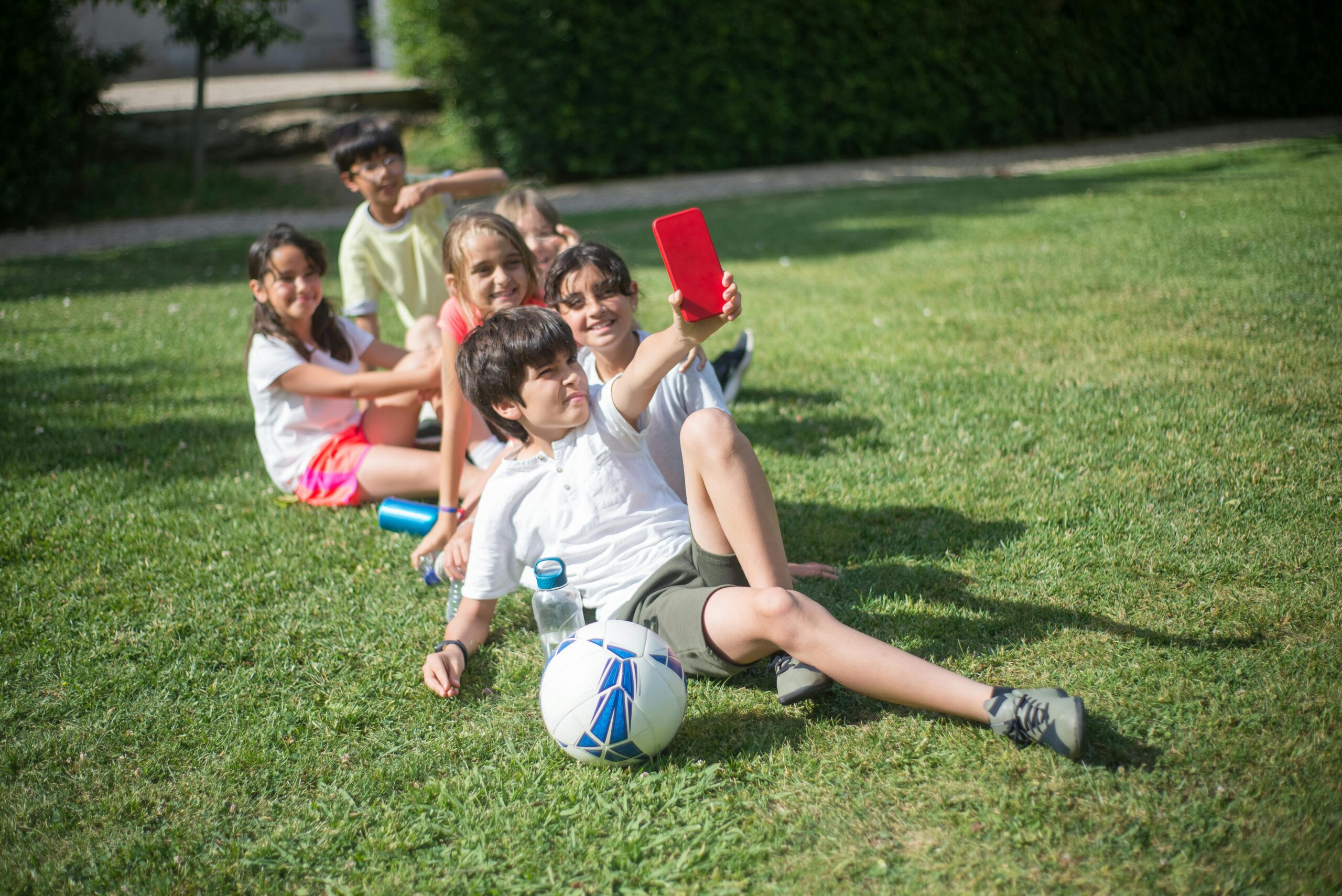
Friendship is more than playdates and shared snacks — it is one of the most powerful influences on a child’s cognitive and emotional development. Child development is a critical aspect influenced by early friendships, as healthy relationships and community support are crucial for a child’s physical, emotional, and cognitive growth. From the moment children begin interacting with peers, they start learning how to communicate, cooperate, solve problems, and regulate their behaviour. Early childhood refers to the formative years when social development is especially impactful, setting the stage for future social competence. A lack of positive social interactions during early childhood can increase the risk of emotional issues such as anxiety disorders later in life. These early social experiences help shape how they think, respond to challenges, and understand the world around them.
Strong friendships don’t just make children happier. Positive social development during early childhood shapes a child’s life, influencing their overall well-being, personality, and future success. Supportive friendships and forming positive relationships are crucial for a child’s emotional health and resilience. They help build the mental foundations for empathy, decision-making, resilience, and self-confidence. Through every shared game, disagreement, and imaginative adventure, children sharpen their thinking and strengthen important behavioural skills. Friendship issues can lead to increased anxiety and depression in children, highlighting the importance of nurturing healthy peer relationships. Social development in early childhood lays the foundation for future social, emotional, and cognitive development.
Introduction to Healthy Friendships
Healthy friendships are a cornerstone of a child’s social development and emotional well-being. When children form positive relationships with their peers, they gain more than just playmates—they develop essential social skills that will serve them throughout life. Early childhood is a critical period for building these healthy friendships, as children learn how to communicate, resolve conflicts, and regulate their emotions in a nurturing and supportive environment. These early experiences lay the groundwork for maintaining positive relationships and achieving successful adult relationships in the future. By fostering healthy friendships, we support children’s mental health, emotional development, and overall well-being, directly enhancing a child’s well being through positive social interactions and resilience. Adults can encourage children to form healthy friendships and develop social skills by creating supportive environments and modeling positive social behaviors.
Early Childhood Social Development
Early childhood social development is a critical aspect of a child’s life, laying the groundwork for their future relationships and mental health. During these formative years, children interact with peers and adults, learning how to form positive relationships and develop essential social skills. These early social interactions are vital for fostering social development, as they help children build a sense of belonging and support their emotional growth. Healthy friendships and strong social skills developed in early childhood are key to later successful adult relationships, as they teach children how to communicate, cooperate, and resolve conflicts in a nurturing and supportive environment. By encouraging children to engage in positive relationships and providing a supportive environment, parents and caregivers can foster social development and help children develop the confidence and skills needed for future relationships and emotional well-being. Early childhood social development truly plays a crucial role in shaping a child’s ability to form and maintain positive relationships throughout life.
How Children Develop Friendships
Children develop friendships through everyday social interactions, shared play, and common interests. In early childhood, friendships often begin with simple activities and proximity—children who play together at school or in the neighborhood naturally start to form bonds. As children grow, their friendships become more meaningful, involving trust, emotional support, and a deeper sense of connection. These relationships help children develop strong social skills, such as cooperation, empathy, and the ability to resolve conflicts. Adults can support children in this process by encouraging participation in group activities, fostering communication, modeling healthy relationships, and teaching the importance of kindness and respect. By nurturing these early friendships, we help children build a sense of belonging and lay the foundation for positive social interactions throughout their lives. Children who have strong social skills tend to be more engaged in the learning process and perform better in school.
Collaboration and Intimacy in Children
Collaboration and intimacy are essential elements of children’s social development, enabling them to form and maintain positive relationships. When children work together—whether building a tower, solving a puzzle, or creating a game—they develop important social and emotional skills such as communication, conflict resolution, and emotional regulation. Intimacy in children’s friendships, marked by trust and empathy, helps foster a sense of belonging and emotional security. These high-quality friendships provide a safe space for children to express themselves, share feelings, and support one another, which is vital for their emotional development and overall well-being. By teaching children the value of collaboration and intimacy, parents and caregivers can help them develop healthy friendships and positive relationships, setting the stage for future relationships built on trust, understanding, and emotional skills.
The Impact of Early Years on Friendships
The early years of a child’s life have a profound impact on their ability to form friendships and develop social skills. During this period, children learn how to navigate social interactions, build emotional resilience, and form meaningful connections with their peers. Positive friendships in early childhood provide emotional support and contribute significantly to a child’s well-being and emotional development. As children learn to develop friendships, they acquire essential social skills that will help them form relationships throughout their lives. By providing opportunities for children to interact with others and encouraging the development of positive relationships, parents and caregivers can support children’s social and emotional growth, helping them build the foundation for future relationships and lifelong emotional resilience.
How Friendships Strengthen Cognitive Skills
1. Encouraging Flexible Thinking
Friendships expose children to new perspectives. When kids play together, they must consider others’ ideas, negotiate roles, and sometimes change their plans. This ability to shift viewpoints builds cognitive flexibility — a key skill for problem-solving and learning.
For example, when two children disagree about how to play a game, they learn to adapt their thinking and find solutions that work for both.
2. Improving Language and Communication
Talking with friends helps children practise language development by:
- Expressing ideas clearly
- Listening actively
- Asking questions
- Taking turns in conversation
Conversations with friends expand vocabulary, improve articulation, and teach nuances, which are all crucial for language development.
These social exchanges strengthen vocabulary, narrative skills, and the ability to understand social cues — all essential for strong cognitive development.
3. Boosting Problem-Solving and Decision-Making
Play with peers is full of small challenges: sharing toys, resolving misunderstandings, choosing rules, and cooperating toward a goal. Through these moments, children learn how to:
- Analyse situations
- Predict outcomes
- Make decisions
- Repair conflicts
Friendships give children a safe space to practise critical thinking in real-life situations.
4. Supporting Executive Functioning
Executive functioning includes self-control, planning, memory, and the ability to manage emotions. Multi-step games, imaginative role play, and group activities naturally strengthen these areas.
For instance, when children create a pretend story together, they must remember roles, organise events, and keep track of rules — all while controlling impulses and staying focused.
How Friendships Shape Behaviour
1. Developing Empathy and Emotional Understanding
Children learn to recognise emotions in others by observing facial expressions, tone of voice, and reactions during play. Friends help each other understand feelings, comfort each other, and build emotional awareness.
This strengthens emotional regulation and helps children respond more kindly and thoughtfully.
2. Modelling Positive Behaviours
Children often imitate peers. When surrounded by supportive friends, they adopt behaviours such as:
- Sharing
- Helping
- Encouraging others
- Showing patience
Positive friendships reinforce good habits, social responsibility, and cooperation.
3. Building Confidence and Social Skills
Having even one close friend boosts a child’s sense of belonging. This confidence encourages children to take risks, explore new activities, and express themselves more freely.
Children who feel accepted by peers often develop stronger self-esteem and healthier communication skills.
4. Learning to Navigate Conflict
Not all friendships run smoothly — and that’s a good thing. Disagreements teach children how to:
- Manage frustration
- Apologise and forgive
- Understand cause and effect
- Practise self-control
These moments help children learn responsible behaviour, resilience, and mature emotional responses.
Navigating Challenges in Friendships
Navigating challenges in friendships is a vital part of social development, as it teaches children how to resolve conflicts, manage emotions, and develop emotional intelligence. Through the ups and downs of friendships, children learn important social skills such as communication, empathy, and conflict resolution. These experiences help children develop resilience and a deeper understanding of themselves and others, which are essential for maintaining healthy friendships and positive relationships. By guiding children through the process of resolving conflicts and supporting them as they learn to manage their emotions, parents and caregivers can help children develop the skills needed to form and sustain positive relationships throughout their lives. Ultimately, learning to navigate challenges in friendships supports children’s social development and emotional well-being.
The Role of Parents in Child’s Social Development
Parents play a crucial role in shaping their child’s social development and ability to form healthy friendships. By modeling positive relationships and demonstrating effective communication, parents teach children how to interact respectfully and empathetically with others. Parents also support social development by creating nurturing environments and encouraging positive interactions. Providing opportunities for socialization—such as arranging playdates, enrolling children in group activities, or encouraging participation in community events—helps children develop friendships and practice important social skills. Parents can also support their child’s emotional resilience by teaching conflict resolution skills and helping them navigate disagreements with peers. By fostering open communication and offering guidance, parents empower their children to develop friendships, build emotional strength, and maintain positive relationships throughout their lives.
It is important to note that children who lack friends often face emotional behavioral problems and difficulties interacting with peers, highlighting the critical role of parental support.
The Role of Community in Social Development
A supportive community is essential for fostering children’s social development and helping them form healthy, supportive friendships. Community programs like sports teams, clubs, and volunteer groups offer valuable opportunities for children to develop social skills, engage in positive interactions, and connect with peers who share similar interests. Teachers, coaches, and mentors within the community can model positive relationships, provide emotional support, and teach essential social and emotional skills. By creating an environment where children feel a sense of belonging and are encouraged to participate, communities help children develop socially, build emotional support networks, and prepare for future social interactions.
High-quality friendships act as a buffer against social stressors, reducing the risk of loneliness and depression. This collective effort ensures that every child has the chance to thrive in their social world.
Creating a Supportive Environment
Creating a supportive environment is essential for fostering social development and helping children form and maintain positive relationships. A nurturing and supportive environment provides children with a sense of belonging, emotional support, and opportunities for positive social interactions. By prioritizing social and emotional development, parents and caregivers can help children develop crucial social skills such as communication, conflict resolution, and emotional regulation. This supportive environment not only helps children navigate the social world and build healthy friendships, but also lays the foundation for future success, happiness, and well-being. By encouraging positive relationships and providing consistent emotional support, parents and caregivers empower children to develop into emotionally intelligent, resilient, and socially capable individuals.
The Long-Term Impact of Childhood Friendships
Strong early friendships lay the groundwork for:
- Better academic performance
- Healthier emotional wellbeing
- Improved coping skills
- Stronger relationships later in life
- Reduced stress and anxiety
- Greater independence and leadership skills
Social development in early childhood lays the foundation for future relationships and future success.
Children who develop healthy friendships in early years tend to grow into more confident, empathetic, and socially capable adults. Positive childhood friendships also contribute to greater life satisfaction in adulthood.
Friend interactions activate specific brain regions, such as the ventral striatum and amygdala, more than interactions with unfamiliar peers. Additionally, interactions with friends more significantly activate the brain’s reward system compared to interactions with disliked peers.
Helping Children Build Meaningful Friendships
Parents and educators can support children’s social-cognitive development and help them in forming positive relationships by:
- Encouraging cooperative play
- Modelling positive communication
- Teaching problem-solving and emotion words
- Providing opportunities for group activities
- Helping children understand boundaries and respect
A supportive environment helps children practise the skills they need to build and maintain friendships.
Comments are closed