-

Children, AI, and Learning: Why the Concern Is Real — and How AI Can Be Used Wisely
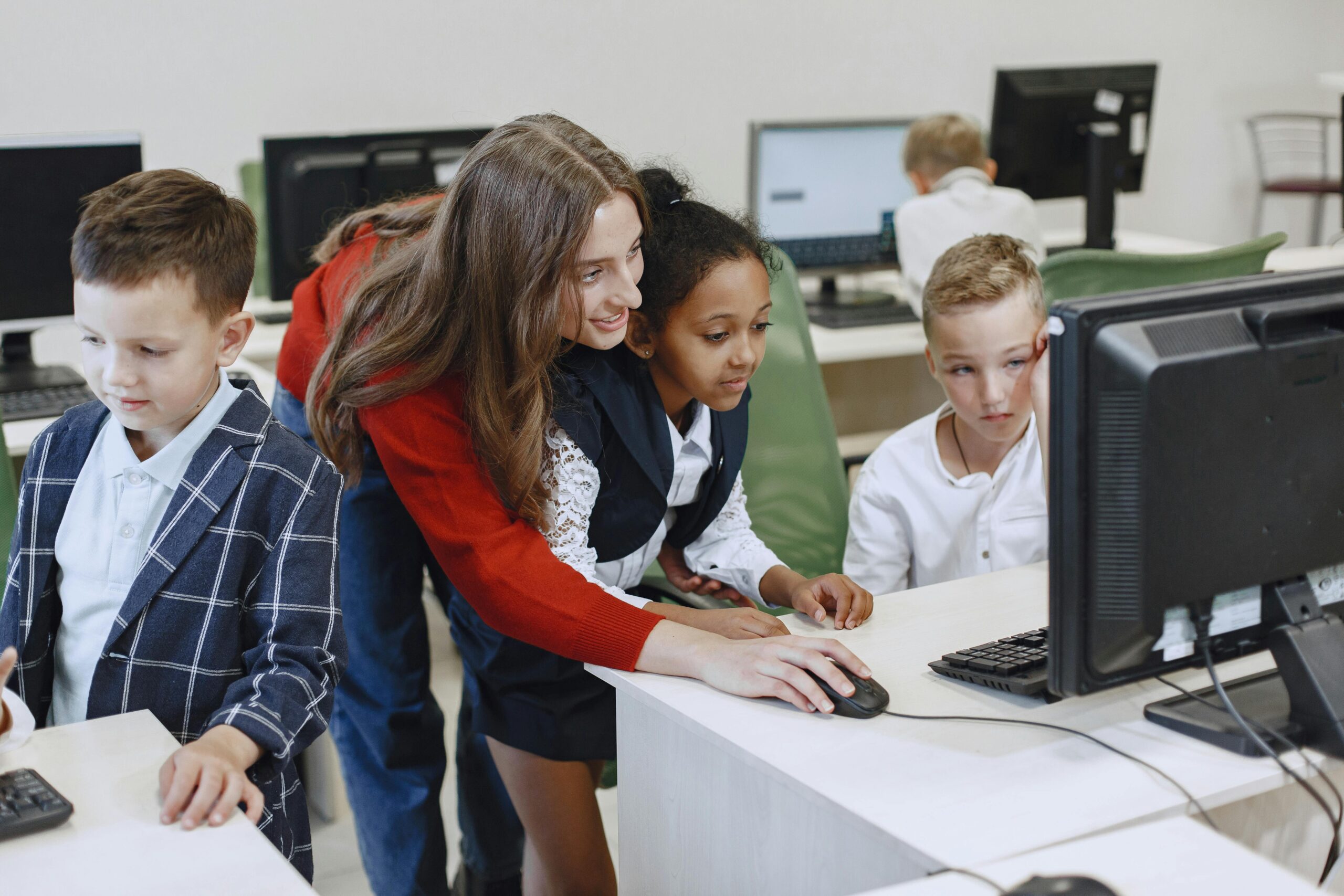
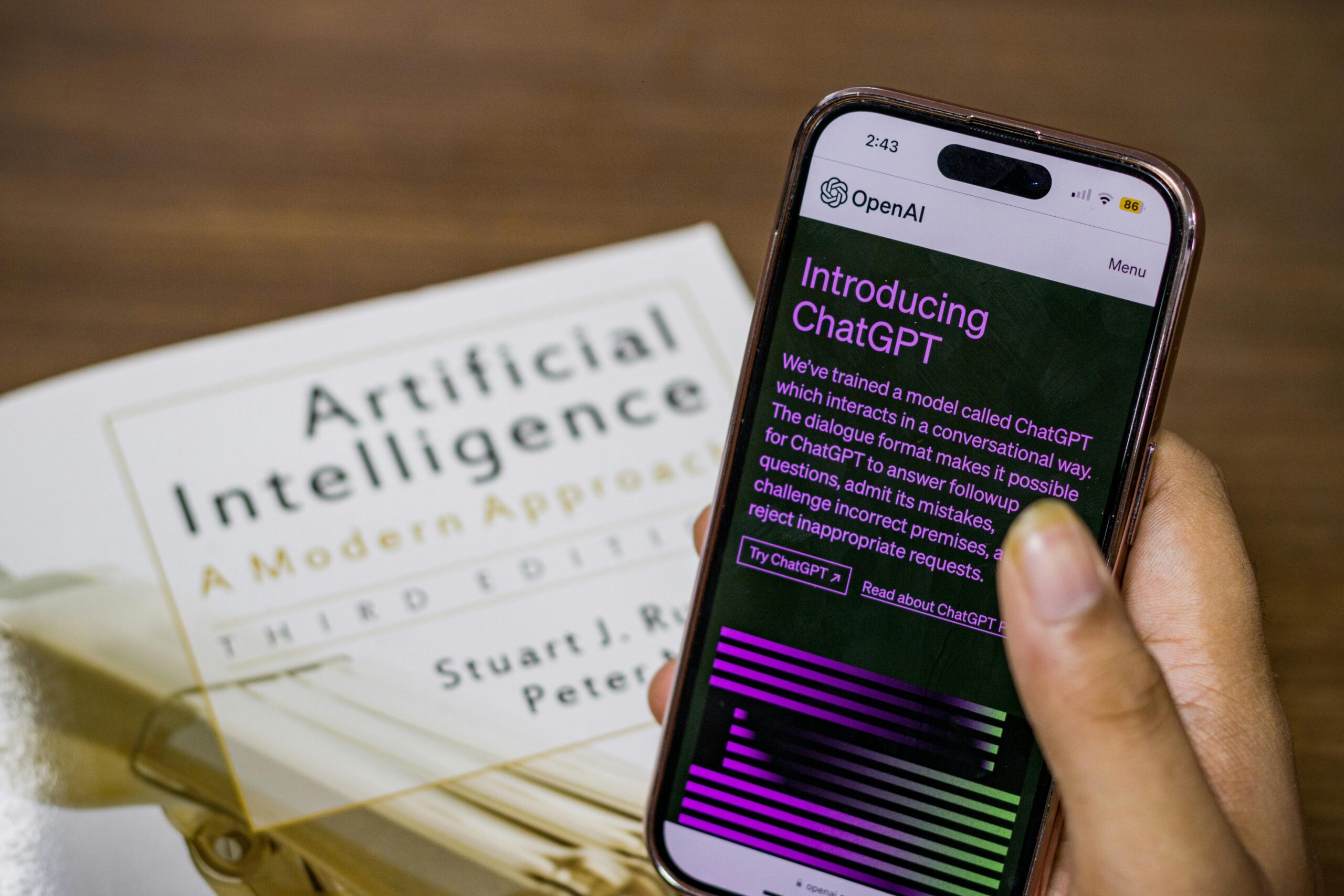
Artificial Intelligence (AI) is no longer a futuristic concept limited to science fiction. In Singapore, AI is increasingly embedded in children’s daily lives through educational platforms, language-learning apps, smart devices, and digital homework tools. Schools are also beginning to explore AI-enabled systems for personalised learning and administrative support. As AI becomes more visible in learning…
-

Visual Learning and AI: Helping Children Who Learn Differently
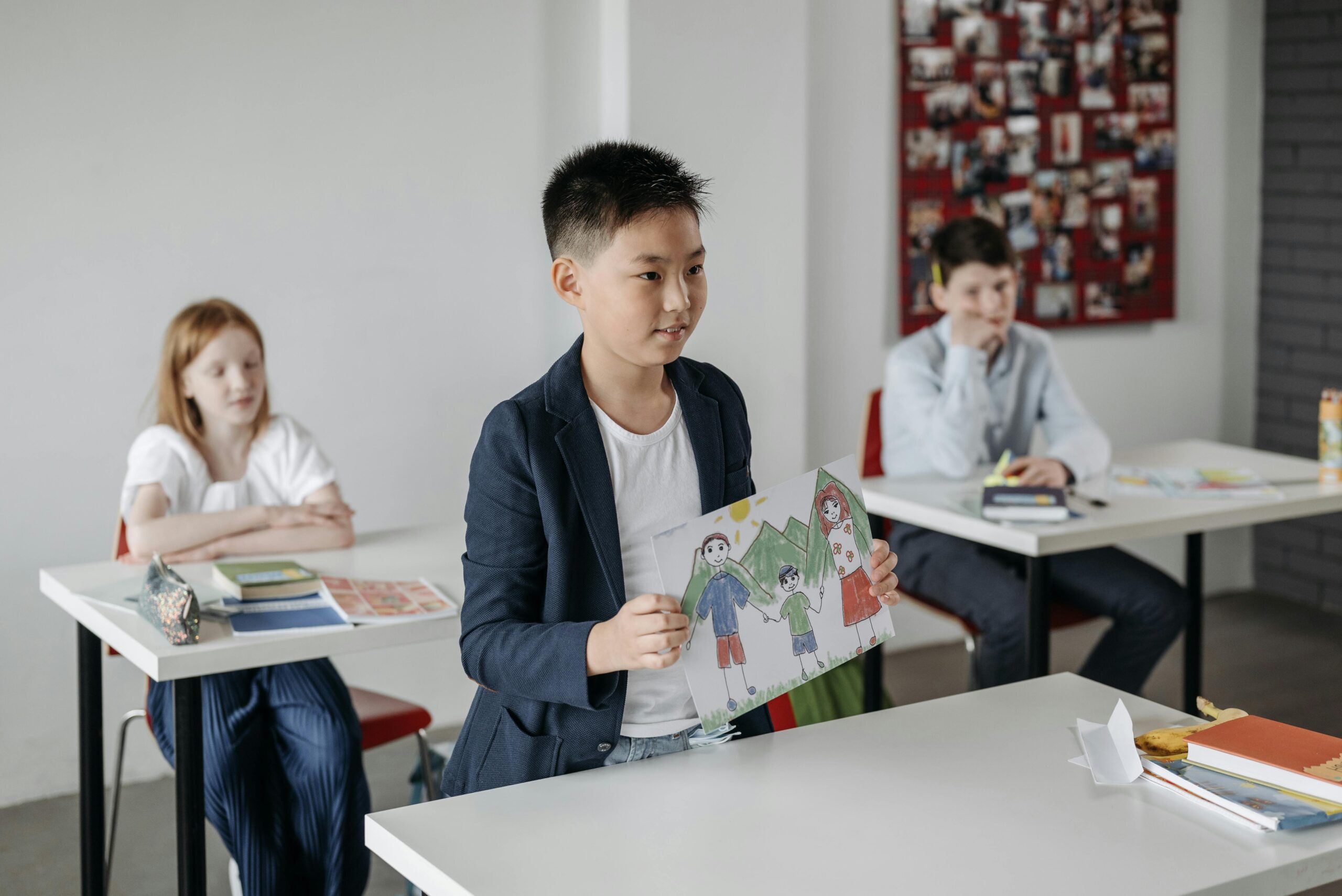
Every child learns differently. There are different learning styles, and understanding these learning styles—such as visual, auditory, and kinesthetic learning—is essential because students have varied preferences for how they process information. Each student’s learning style can significantly impact their educational experience, and the VAK model of learning, popularized by Neil D. Fleming, categorizes these styles…
-
Balancing AI in Education and Human Support in Children’s Learning: Evidence, Challenges, and a Path Forward
As artificial intelligence (AI) becomes increasingly embedded in educational environments, educators and parents are facing a pivotal question: How do we harness the power of AI to enhance learning while preserving the irreplaceable role of human support? Far from being a theoretical dilemma, this balance has real consequences for children’s cognitive development, social skills, and…
-
The Future of AI in Special Education
Artificial Intelligence (AI) is reshaping many industries, and education is no exception. In special education, where teaching must be highly individualised and responsive, AI has the potential to bring meaningful change. For students with learning difficulties such as dyslexia, ADHD, autism spectrum disorder, and speech or language processing challenges, AI offers new ways to personalise…
-
Helping Children with ADHD Stay Focused Using AI Tools
Children with Attention Deficit Hyperactivity Disorder (ADHD) often face challenges with focus, impulse control, and time management. Traditional classroom settings and rigid learning structures can make it difficult for them to stay engaged, complete tasks, and manage daily routines. While behavioural strategies and educational support remain essential, artificial intelligence (AI) tools are emerging as a…
-
AI Reading Buddy: Supporting Children with Dyslexia
Reading is a foundational skill that opens the door to learning, imagination, and confidence. For many children, the journey to literacy can begin with the support of an AI reading buddy, especially for those with dyslexia who face persistent challenges. Traditional methods of support—extra tutoring or paper-based interventions—can help, but they often lack the flexibility…
-
Personalised Learning: How AI Adapts to Every Child’s Pace
Every child learns differently, and for children with learning difficulties, a one-size-fits-all approach often falls short. Traditional classrooms move at a fixed pace, which can leave some students struggling to catch up while others become disengaged because the content isn’t challenging enough. Fortunately, the rise of AI-powered personalised learning is changing the way children access…
-
Vocabulary Development in Children: Why Words Matter for Cognitive Growth
Language is the foundation of learning. Early childhood is a critical period for language acquisition and speech and language development, as children rapidly build foundational skills during this time. The words children hear, understand, and use shape how they think, communicate, and make sense of the world around them. Research on vocabulary development in children…
-
The Thinking Hands: How Fine Motor Skills and Cognitive Development Support Brain Development
When children play with their hands, they’re doing more than creating art or building towers — they’re exercising their brains. Fine motor skills, which involve precise hand and finger movements, are closely linked to cognitive development. Fine motor movement and fine motor control refer to the coordination of small muscles in the hands and fingers,…
-
Why Tuition Doesn’t Work for Some Children (And What Helps Instead)
When tuition doesn’t bring the progress parents expect Many parents invest in tuition for their children, often driven by a desire to boost academic performance, address specific learning difficulties, or prepare for important examinations. They commit time, resources, and hope into these additional learning opportunities, expecting to see tangible improvements in grades, understanding, and confidence.…