Understanding Academic Burnout in Primary & Secondary Students
Academic burnout does not happen overnight. It often builds gradually — especially in children who have been trying very hard for a long time.
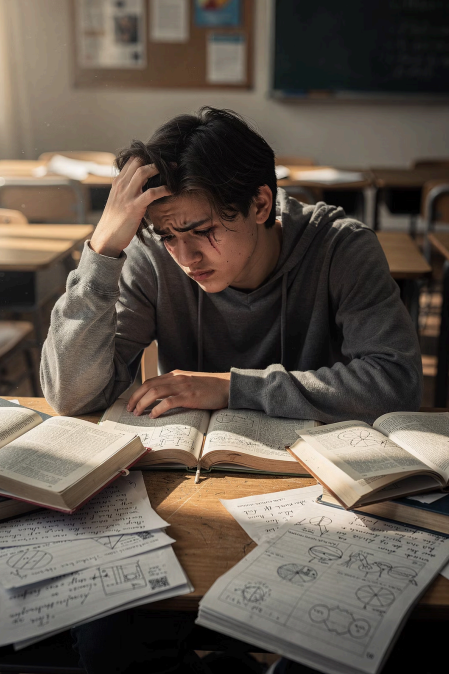
The Growing Pressure in Singapore Schools
In both primary and secondary school, expectations increase significantly. Subjects become more demanding, assessments become more frequent, and academic performance starts to feel tied to future opportunities. For some children, the pressure accumulates quietly until learning begins to feel exhausting rather than motivating.
Why Academic Pressure Builds Over Time
- More demanding subjects
- Frequent assessments
- Performance tied to future opportunities
- Stress that builds gradually and is often unnoticed
What Academic Burnout Can Look Like
Burnout in children and teenagers may not always appear dramatic at first. It often presents as subtle changes in behaviour, attitude, or emotional response to school.
Physical Signs
Frequent complaints of tiredness despite adequate rest
Emotional Changes
Increased irritability when schoolwork is mentioned
Loss of Interest
Loss of interest in subjects previously enjoyed
Avoidance Behaviour
Avoidance of homework or revision
Declining Confidence
Declining confidence despite continued effort
Negative Self-Talk
Statements such as “I’m just not good at this” or “There’s no point trying”
In older students, burnout may present as withdrawal, procrastination, or a sharp drop in motivation – both in daily learning and during exam periods. Some may continue to attend tuition and revision sessions, but feel emotionally disconnected and mentally fatigued despite their effort.
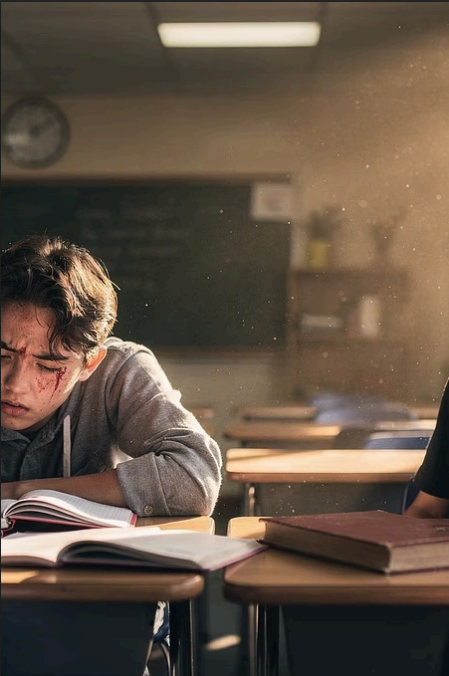
Burnout vs Laziness: Why the Difference Matters
Burnout is often misunderstood as laziness. However, the two are not the same.
Laziness suggests unwillingness to try. Burnout, on the other hand, often follows prolonged effort without meaningful improvement. When children repeatedly work hard but do not see results, emotional fatigue can set in.
In these cases, the issue is not character or discipline. It is often a mismatch between learning demands and how the child processes, retains, or applies information.
Why Burnout Is Increasing in Primary & Secondary Students
Several academic transitions can contribute to burnout:
Upper Primary (PSLE preparation)
Increased exam exposure, longer papers, higher expectations
Secondary 2 to 3 transition
Subject streaming, selection of Combined Science, Pure Sciences, or Additional Mathematics
N-Level and O-Level preparation
Sustained performance pressure over extended periods
When foundational learning skills are weak, children often compensate with extra effort. Over time, this compensation can become emotionally draining.
How Learning Intervention Addresses Burnout
Learning intervention does not focus solely on increasing practice hours. Instead, it examines how learning is functioning.
For children experiencing burnout, intervention may involve:
- Identifying gaps in understanding or strategy use
- Teaching more efficient learning methods
- Strengthening retention and application skills
- Developing exam strategies to reduce cognitive overload
- Rebuilding confidence through achievable progress
When children begin to experience improvement through better strategies rather than greater effort alone, emotional pressure often reduces
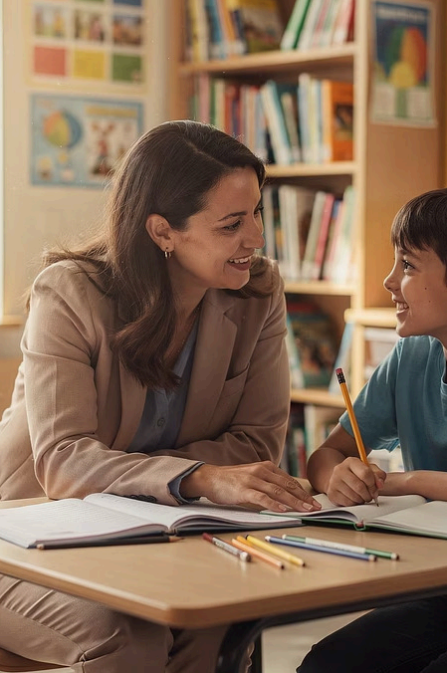
Early intervention matters
When to Consider Support
If your child shows persistent signs of exhaustion, avoidance, or emotional distress related to school — especially despite significant effort — it may be time to consider a different form of support.
Early intervention is often more effective than waiting until examination years intensify pressure. Addressing how learning is functioning can prevent emotional strain from escalating.
Signs That Intervention May Help
Persistent Exhaustion
Your child consistently appears tired or drained when discussing school, despite getting adequate rest
Avoidance Patterns
Regular avoidance of homework, revision, or school-related activities that were previously manageable
Emotional Distress
Increased anxiety, frustration, or emotional responses when facing academic tasks
Effort Without Results
Significant effort invested but minimal improvement in understanding or performance
Moving Forward

Academic performance should not come at the expense of a child’s wellbeing. When learning becomes more efficient and aligned with how a child processes information, both results and confidence can improve.
If you are unsure whether your child is experiencing burnout or facing underlying learning difficulties, a consultation can help clarify the situation and guide next steps.
Take the Next Step
Support Your Child’s Learning Journey
Understanding the difference between burnout and learning difficulties is the first step towards meaningful support. A consultation can help identify the underlying causes and create a path forward that prioritises both academic progress and emotional wellbeing.
You may also want to read early signs your child may need learning support, and what can change as demands increase in PSLE & N/O levels.