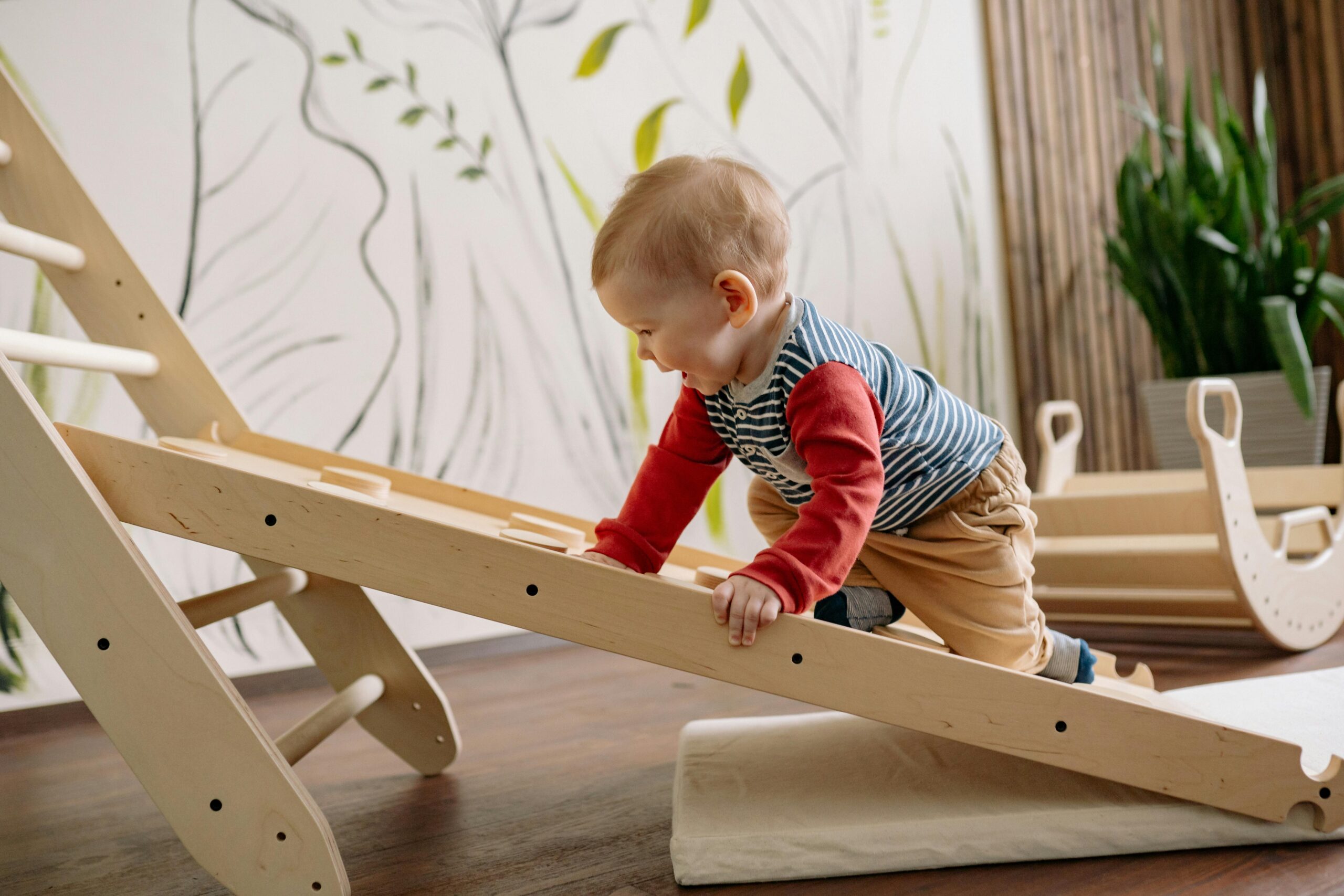
When children play with their hands, they’re doing more than creating art or building towers — they’re exercising their brains. Fine motor skills, which involve precise hand and finger movements, are closely linked to cognitive development. Fine motor movement and fine motor control refer to the coordination of small muscles in the hands and fingers, allowing for precise actions. These skills are a key part of child development and physical development, supporting independence with dressing, feeding, eating, and school performance. Activities like cutting, stacking, drawing, and manipulating small objects strengthen neural pathways that support planning, problem-solving, memory, and concentration.
Healthcare experts note that improper development of fine motor skills in children can hinder cognitive, physical, social, and emotional development.
Hands-on play isn’t just fun — it’s a powerful tool for helping children think, learn, and grow. Fine motor skills develop throughout life, from birth to adulthood, and are necessary for a range of activities including sports, like dancing and soccer, and for people who use their feet for tasks instead of their hands. These skills are also important for daily tasks such as holding a toothbrush, cooking, putting on clothes, and doing schoolwork like drawing and writing. Fine motor skills help develop critical thinking abilities among students. Issues with fine motor skills can develop at any age, but healthcare providers focus on these skills in child development because of their importance for daily tasks and school performance.
How Fine Motor Skills Affect Brain Development
Fine motor activities engage multiple areas of the brain, including regions responsible for:
- Planning and organisation: Figuring out how to complete a task or build a structure
- Attention and focus: Concentrating on small, precise movements
- Problem-solving: Thinking through challenges, such as balancing blocks or connecting pieces
- Spatial awareness: Understanding how objects relate to each other in space
- Memory: Remembering steps and sequences involved in an activity
- Cognitive flexibility: Adapting to new rules or switching between different tasks, which is supported by activities like sorting, drawing, and card games
Repeated practice of fine motor activities helps develop fine motor skills by building muscle memory, muscle strength, and finger strength, all of which are essential for skill acquisition and independence. Research shows that engaging in fine motor activities not only supports cognitive development but also enhances brain functions related to attention, memory, and adaptability.
Each time a child picks up a crayon, threads a bead, or folds paper, the brain is creating and strengthening connections that support thinking and learning. Drawing, for example, helps improve hand-eye coordination, which is important for all kinds of everyday tasks. Children who have difficulty developing fine motor skills may struggle with small tasks such as using tools, gripping utensils, or using scissors. Occupational therapists can help by adapting daily tasks to make them more accessible. Healthcare providers assess fine motor skills because significant delays can indicate neurological and physical conditions.
Hand Eye Coordination: Linking Vision and Movement
Hand-eye coordination is a complex process that brings together what children see and how they move. This essential skill relies on the brain’s ability to integrate visual information with fine motor skills, allowing kids to guide their hand movements and finger movements with precision. Whether a child is tying shoelaces, writing words, or playing instruments, hand-eye coordination is at the heart of these everyday tasks.
Developing strong hand-eye coordination is closely linked to fine motor development. It requires visual tracking—following objects with the eyes—and the ability to make precise movements with the hands and fingers. As children practise these skills, they build the foundation for more advanced tasks that demand accuracy and control.
Hand-eye coordination also plays a key role in cognitive development. It supports problem solving, critical thinking, and the ability to plan and execute complex tasks. For example, when children learn to catch a ball or thread a bead, they are not only improving their motor skills but also strengthening the brain regions involved in logical reasoning and creative problem solving.
By encouraging activities that challenge hand-eye coordination, parents and educators help children develop the coordination, focus, and problem solving skills they need for success in school and in life.
Activities That Build Thinking Through Hands
1. Drawing and Coloring
Drawing and coloring help kids learn motor skills and hand-eye coordination. Holding crayons, markers, or any writing tool helps children practice control and fine motor precision, which prepares them to write words and numerals. Drawing encourages creativity, visual planning, and hand-eye coordination — all linked to cognitive development. Drawing also helps improve hand-eye coordination, which is important for all kinds of everyday tasks.
2. Cutting and Pasting
Using child-safe scissors improves dexterity while teaching sequencing and problem-solving, and cutting and pasting activities promote finger isolation, bilateral coordination, and visual motor coordination. The index finger and middle finger play a crucial role in these activities, helping children control scissors and manipulate paper with precision. These tasks also help develop fine motor precision as children learn to follow lines, plan cuts, and assemble shapes.
3. Building and Stacking
Blocks, Lego, or stacking cups require careful placement and spatial reasoning, and involve moving objects, which helps develop both fine and gross motor skills. Children plan, estimate, and test solutions while developing concentration and analytical thinking. These activities also build muscle strength, which is important for physical development and independence. Additionally, gardening activities such as digging and planting are another way to develop fine motor skills.
4. Threading and Manipulating Small Objects
Threading and manipulating small objects, such as beads, buttons, or puzzles, involve fine motor movement and fine motor precision, which strengthen finger muscles and coordination. Using pipe cleaners for threading activities, like lacing beads or weaving through puzzle pieces, can further enhance hand-eye coordination and grip control. Activities such as sorting several coins by size, color, or value not only develop hand and finger strength but also support cognitive skills by teaching children about different sizes and numbers. Threading or assembling pieces also improves attention and working memory. Playing musical instruments strengthens the muscles of the hands and fingers while developing fine motor skills. These activities help build muscle memory, allowing children to perform similar tasks more easily with practice.
5. Everyday Tasks
Simple daily activities like buttoning clothes, tying shoelaces, pouring liquids into containers, or self-feeding build motor skills while fostering independence and problem-solving.
Daily tasks such as dressing, feeding, and schoolwork rely on fine motor skills to support independence and success in everyday life.
If individuals have difficulties with fine motor skills, occupational therapists can help them adapt everyday tasks to make them more accessible.
Why Hands-On Play Boosts Thinking Skills
Hands-on activities support cognitive development in ways that are both direct and indirect:
- Directly: By practising precise movements, children develop control over their body, which strengthens the brain regions responsible for planning and coordination.
- Indirectly: Hands-on play encourages curiosity, experimentation, and persistence — all essential cognitive skills. Hands-on play also supports social development, as children learn to cooperate, share, and communicate during group activities.
Classic games like pickup sticks promote bilateral coordination, finger isolation, and strengthen finger muscles, all of which are essential for fine motor skills. Playing pickup sticks not only enhances dexterity but also supports the development of critical thinking abilities among students.
Engaging children in “thinking hands” activities helps them connect movement with learning, creating a strong foundation for later academic skills like writing, maths, and science.
Tips for Encouraging Fine Motor Development at Home
- Provide a variety of manipulatives: crayons, blocks, clay, beads, or puzzle pieces.
- Create safe spaces for cutting, gluing, and crafting.
- Incorporate fun challenges: stacking higher, threading longer strings, or drawing more complex shapes.
- Try activities like drawing open circles or shapes on paper and having your child place a sticker inside each one. This is a fun way to practice pincer grasp and visual motor coordination.
- Blow and pop bubbles together as a fun way to develop fine motor skills and provide sensory effects for your child’s fingertips.
- Encourage ripping and tearing paper to help strengthen the muscles of the hands and fingers.
- Encourage independent tasks: allow children to dress themselves or help with small household chores.
- Praise effort and progress, not just the finished product.
Parents learn best by observing and practicing these activities regularly with their children. Consistent practice is key to improving fine motor skills and cognitive development.
Even short daily activities can make a meaningful difference in building both motor skills and cognitive abilities.
Fine motor skills are more than just hand movements — they are the bridge between physical action and cognitive growth. By giving children opportunities to use their hands in creative and challenging ways, we help them develop focus, problem-solving skills, memory, and spatial awareness. In other words, hands-on play builds thinking skills — and sets the stage for lifelong learning.
Comments are closed