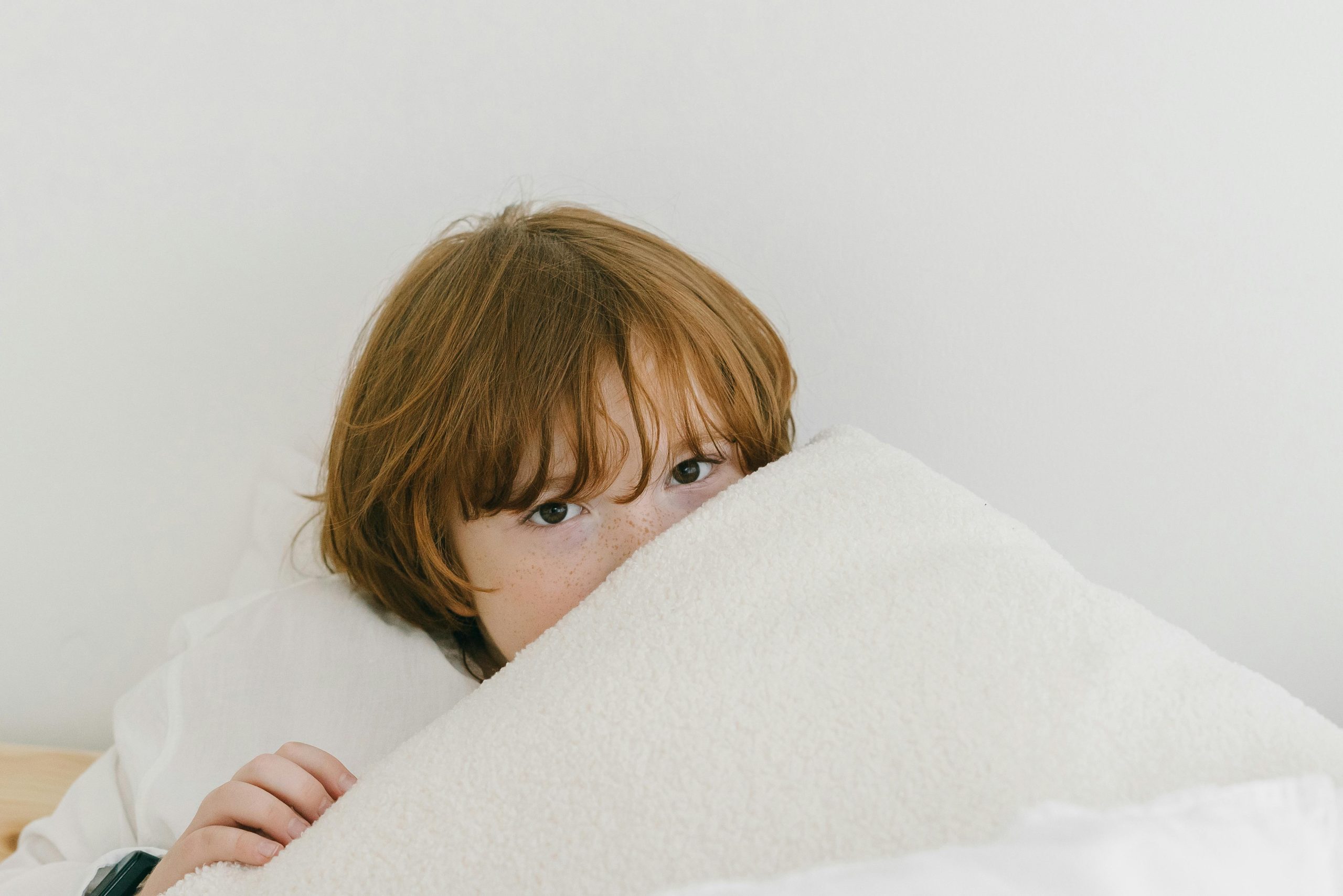
Many children go through phases of shyness. They might hide behind you when meeting new people, speak softly in unfamiliar settings, or need extra time to warm up at birthday parties. This type of behaviour is natural and often fades as children gain confidence. In fact, childhood experiences have an important impact on the development of social skills. Early shyness, if not properly guided, may persist or even evolve into more serious social difficulties. But what happens when shyness goes beyond the usual? When does a quiet child’s behaviour indicate social difficulties that may need extra support?
Understanding the difference between ordinary shyness and deeper social challenges can help parents, educators, and caregivers provide the right guidance.
What Is Shyness?
Shyness is a common personality trait, not a disorder. Shy children often feel uneasy in unfamiliar social situations but can usually function well once they become comfortable. Key features of shyness include:
- Slow to warm up: They may need time to adjust before joining group play.
- Preference for familiar people: They interact more easily with family and close friends.
- Mild avoidance: They might hang back at first but gradually participate.
- Age-appropriate development: Their communication and social understanding are on track for their age.
When comparing shyness and social anxiety, there are clear differences: shyness usually shows mild unease and avoidance, while social anxiety involves deeper psychological barriers and functional impairment.
In most cases, shyness is simply part of a child’s temperament, and with support, they learn to navigate social settings at their own pace.
Shyness can sometimes be mistaken for social anxiety, but the two are distinct. While shyness involves feeling reserved or cautious, social anxiety is a mental health condition characterized by intense fear and avoidance of social situations. Individuals with social anxiety often have fear of being judged, embarrassed, or negatively evaluated in social settings. Shy children usually feel nervous but can overcome their hesitation with time and encouragement. In contrast, children with social anxiety may experience overwhelming fear that disrupts their daily life.
What Are Social Difficulties?
Social difficulties, on the other hand, involve persistent struggles that affect a child’s ability to form relationships and interact effectively. These challenges may stem from conditions like autism spectrum disorder (ASD), social anxiety disorder, or developmental language delays.
Unlike shyness, which usually improves with exposure and encouragement, social difficulties often persist and interfere with daily life. Signs include:
- Limited eye contact or avoidance of social interactions altogether.
- Difficulty understanding social cues such as tone of voice, body language, or facial expressions.
- Challenges making or keeping friends, even with repeated exposure.
- Rigid or repetitive behaviours that interfere with social interaction.
- High anxiety in social settings that doesn’t decrease over time.
For example, in a classroom or playground setting, a person with social difficulties may feel overwhelmed and unsure how to join group activities or conversations. People with social anxiety often experience similar challenges, such as intense fear of being judged or rejected in social situations.
Social difficulties can also manifest as challenges in understanding and responding to the emotions of others, which can lead to misunderstandings and social isolation. Children with these difficulties might struggle with interpreting sarcasm, jokes, or indirect communication, making social interactions confusing and stressful.
Key Differences Between Shyness and Social Difficulties
| Shyness | Social Difficulties |
|---|---|
| Temporary hesitation in new situations | Persistent avoidance of social interactions |
| Comfort increases with familiarity | Ongoing discomfort, even with familiar people |
| Communication skills are age-appropriate | Delays or difficulties in language and social understanding |
| Child expresses desire to join but feels nervous | Child may not show interest in socialising |
| Typically fades with age and experience | May persist or worsen without support |
These differences highlight the importance of careful observation and assessment. While shy children generally want to engage but feel nervous, children with social difficulties may lack the motivation or ability to connect socially, which requires different types of support and intervention. They are two distinctly different psychological states, therefore different identification and coping methods are needed.
Understanding the Symptoms of Social Anxiety
Social anxiety is a common mental health condition, often mistaken for simple shyness. In fact, social anxiety disorder is much more severe and persistent than ordinary shyness. It is not just discomfort in social situations but a strong fear of interacting with others, being the focus of attention, or being judged. This anxiety can appear in children, adolescents, and adults, especially in social contexts such as school, parties, or job interviews.
The Impact of Social Anxiety on Daily Life
Social anxiety affects not only social performance but also many aspects of daily life. For people with social anxiety, simple interactions like greeting colleagues, speaking in class, attending social gatherings, or even communicating with doctors or teachers can be overwhelming psychological burdens. This anxiety limits their social circle, affecting education, career development, and relationship building.
When Parents Should Pay Attention
While it’s normal for children to be shy, red flags arise when:
- Shyness interferes with daily life, such as refusing to attend school or activities.
- The child does not develop age-appropriate friendships over time.
- They show consistent signs of anxiety or distress in social settings.
- There are concerns about speech, language, or emotional regulation alongside social struggles.
If you notice these patterns, it may be time to consult a doctor, mental health professional, paediatrician, psychologist, or speech-language therapist. Seeking guidance from these professionals is to help children overcome social difficulties and grow healthily.
Early identification and intervention are crucial. Addressing social difficulties promptly can improve outcomes and help children develop essential social skills, boosting their confidence and ability to form meaningful relationships.
Supporting a Shy Child
Parents can encourage shy children by:
- Providing gentle exposure to new experiences.
- Avoiding pressure or negative labels like “too shy.”
- Modelling confident social behaviour.
- Praising small steps of progress.
- Practicing or brainstorming conversation topics together to help the child feel more prepared for social interactions.
Over time, shy children often build confidence with patient support.
It is also helpful to create a safe and supportive environment where the child feels accepted and understood. Encouraging participation in group activities that match the child’s interests can provide natural opportunities for social interaction.
Supporting a Child With Social Difficulties
For children experiencing deeper challenges, structured interventions are often necessary. These may include:
- Social skills training to teach communication, sharing, and turn-taking.
- Therapy for anxiety to reduce stress in social environments. One of the most effective approaches is cognitive behavioral therapy (CBT), which helps children with social anxiety disorder identify negative thought patterns and develop coping skills to manage anxiety. CBT can be especially helpful for addressing symptoms of social anxiety disorder, such as increased heart rate in stressful situations like a party or a job interview.
- Group therapy is another intervention that can be beneficial for children with social anxiety disorder, as it provides a supportive environment to practice social skills and share experiences with peers.
- Speech and language therapy for children with communication delays.
- Individualised support at school to ensure they can participate fully.
Developing coping skills is a key goal of the interventions for children with social anxiety disorder. Social anxiety can be associated with physical symptoms such as increased heart rate, and social anxiety is often characterized by avoidance of social situations, which can be particularly challenging during events like a party or a job interview. If left unaddressed, the impact of social anxiety disorder can be long-lasting and may affect a child’s future career development. In some cases, difficulties coping with social anxiety can be a risk factor for substance abuse later in life.
Early intervention can make a significant difference, improving both social skills and emotional wellbeing.
In some cases, multidisciplinary approaches involving educators, therapists, and healthcare professionals provide the most comprehensive support. Tailored programs that focus on the child’s unique needs can help them overcome barriers and thrive socially. The symptoms of social anxiety disorder can be varied and can be observed in different aspects of the child’s life. For example, one common symptom can be avoidance of the situations that trigger anxiety.
Why Early Recognition Matters
Identifying whether a child is simply shy or facing social difficulties is important for long-term development. Mislabeling social difficulties as “just shyness” can delay the support they need, leading to frustration, isolation, and academic challenges. Social difficulties often become more apparent or impactful during high school, potentially affecting academic performance and peer relationships. On the other hand, recognising true shyness for what it is helps avoid unnecessary worry and allows parents to provide gentle encouragement.
Early recognition also helps reduce the risk of secondary issues such as low self-esteem, anxiety disorders, or depression that can arise from ongoing social struggles.
Final Thoughts
Shyness is a natural trait that many children outgrow, while social difficulties reflect ongoing challenges that often need professional support. The key differences lie in persistence, severity, and impact on everyday life.
Persistent social difficulties may make children feel sad or isolated, but timely support and intervention can significantly improve their mood and social development.
As a parent, trust your instincts. If you notice your child struggling beyond the normal bounds of shyness—especially if it affects their happiness, friendships, or school life—seeking guidance from professionals can open the door to the right help. Every child deserves the chance to build meaningful connections and thrive socially.
References:
- American Psychiatric Association. (2013). Diagnostic and Statistical Manual of Mental Disorders (DSM-5).
- Centers for Disease Control and Prevention (CDC). (2024). Child Development: Social and Emotional Milestones.
- American Academy of Child and Adolescent Psychiatry (AACAP). (2019). Shyness and Social Phobia.
Comments are closed