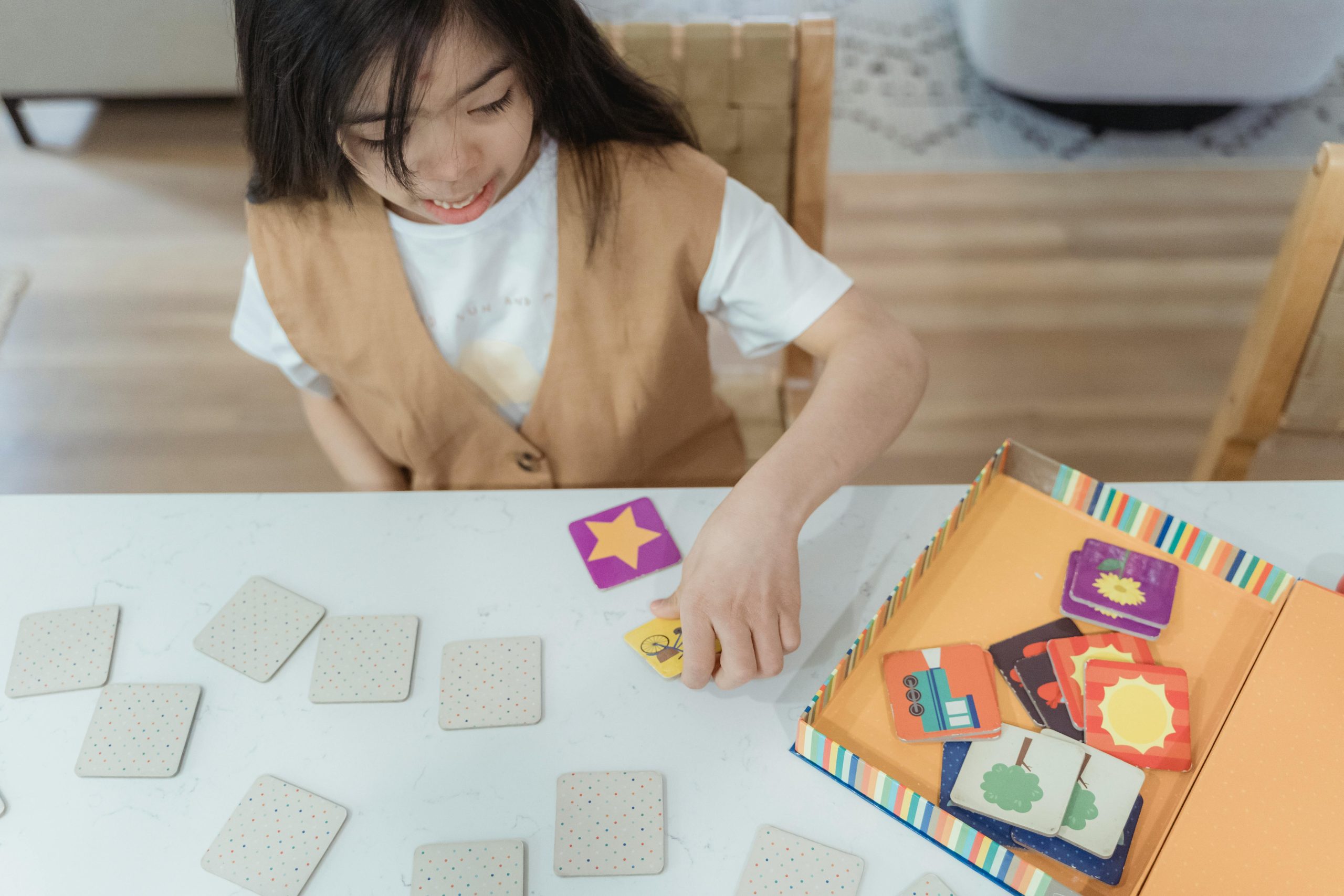
When it comes to learning, memory is everything. Whether you are a student preparing for exams—students especially benefit from memory hacks—a professional upgrading your skills, an adult looking to maintain cognitive health, or simply someone trying to pick up a new hobby, how well you retain information determines the effectiveness of your efforts.
If you struggle to remember the information you need, you’re not alone. The challenge? You often need to process a lot of information quickly, and remembering all the details isn’t easy. That’s where memory hacks—simple but powerful techniques grounded in psychology—come in. By engaging with learning in smarter ways, you can boost recall, strengthen focus, and improve your ability to store information for the long term. Memory champions regularly use these techniques to achieve remarkable feats of recall, proving their effectiveness.
This article explores psychological techniques for better learning and memory, so you can study smarter, think more clearly, and make learning stick. You’ll also find practical tips to help you improve your memory.
Introduction to Learning
Learning is a journey that involves much more than just absorbing facts—it’s about how you acquire, retain, and recall information over time. When it comes to learning, memory is at the heart of the process. If you’ve ever struggled with memory loss or found it hard to remember new information, you know how challenging learning can be. That’s why understanding how to improve your memory is so important.
Research shows that using effective memorization techniques can make a significant difference in how well you learn. Techniques such as the memory palace, self-testing, and spaced repetition are proven ways to boost both your working memory and long-term memory. These methods can help you organize information, make it easier to recall, and ensure that what you learn truly sticks. By exploring these strategies, you can discover how to learn more efficiently and overcome common obstacles to memory and learning.
Understanding How Memory Works
Learning is more than just taking in facts—it’s about how your brain participates in the memory process: how it processes, stores, and retrieves information. To improve your memory, it helps to understand the two main players, each representing a class or group of memory:
- Working memory – short-term storage that holds information temporarily, limited by the capacity of a working memory.
- Long-term memory – storage for knowledge and skills you’ll need later.
Techniques such as chunking, mnemonics, and self-testing work by strengthening the pathways between these two systems in the brain, ensuring the information moves from temporary storage into long-term memory.
For example, the memory palace technique helps you connect new information with familiar locations, making recall faster and easier by organizing details into meaningful groups. And thanks to neuroplasticity—your brain’s ability to form new connections—your memory can improve at any stage of life.
When you use these techniques, you actively support the memory process and make it easier to retain and recall the information.
Memory Loss: What’s Normal and What’s Not
Everyone experiences forgetfulness now and then. Misplacing your keys or blanking on a name is often just part of daily life or aging. However, persistent memory problems could be symptoms of a cognitive disorder, such as Alzheimer’s or other cognitive conditions. It is a mistake to ignore early signs of memory loss, as early intervention can make a significant difference.
The good news? Research shows there are ways to reduce memory decline and even strengthen your recall:
- Use techniques like repetition and association to reinforce learning.
- Prioritise healthy habits—sleep, balanced nutrition, and regular exercise.
- Keep your brain engaged with activities like puzzles, reading, or acquiring new skills.
- Seek support from others, such as friends, family, or support groups, to help manage memory issues.
- Consult reliable sources for up-to-date information about memory loss and effective strategies.
If memory loss interferes with daily life, it’s important to consult a healthcare professional. But for most people, consistent practice and lifestyle choices can keep memory sharp.
Improving Concentration and Focus
Strong memory depends on attention. If your mind is scattered, information won’t stick. When you want to sharpen concentration, try these tips:
- Practice mindfulness – short meditations before studying help you focus.
- Study in intervals – use the Pomodoro method (25 minutes focus + 5-minute break).
- Eliminate distractions – silence notifications and create a study-friendly space, such as studying in a quiet room.
- Study in a group – discussing material with others can help reinforce your focus and understanding.
A focused brain is far more efficient at encoding information into memory.
Proven Memory Hacks from Psychology
Memory champions often use these proven techniques to achieve remarkable feats of recall. Students can also benefit from these memory hacks to improve their academic performance. Here are some tips for better memory:
Here are some of the most effective psychology-backed techniques for learning:
1. The Power of Spaced Repetition
Instead of cramming, revisit information at increasing intervals, such as an interval of a day, a week, or a month. In a language class, spaced repetition helps reinforce vocabulary and grammar over time. Tools like Anki and Quizlet automate this process. When you use this approach, known as the spacing effect, you build durable long-term memory.
2. Chunking Information
Your working memory can only hold about 7 items at a time. Breaking information into chunks—such as creating groups of related items or forming groups of words with similar meanings—reduces overload and makes recall easier. This process of group organization mirrors how your brain naturally processes information, enhancing memory retention and understanding.
3. Dual Coding: Mix Words with Images
Pair text with visuals such as diagrams, charts, or mind maps. According to dual coding theory, combining verbal and visual information in the mind helps you remember things more effectively. Pairing words with images allows the information to be processed in multiple ways, strengthening memory retention.
4. Retrieval Practice: Test Yourself, Don’t Just Review
Passive rereading doesn’t work, and it’s a common mistake to rely only on reviewing notes without testing yourself. Instead, actively recall information with flashcards, practice quizzes, or by using self test methods such as quizzing yourself on key concepts. When you test yourself, you not only reinforce what you know but also identify areas where you need improvement. This “active recall” cements knowledge in long-term memory.
5. The Memory Palace (Method of Loci)
Link the information to familiar places. For example, place items from your grocery list in different rooms of a house in the mind. Later, mentally “walk” through your home to recall them.
6. Emotion and Storytelling
Facts tied to stories or emotions are easier to remember. Turn dry information or things you need to remember into narratives—like imagining Newton struggling with a stubborn apple cart to recall Newton’s laws in the story. Sharing these stories with others can further reinforce your learning and help you connect with the material in the narrative.
7. Sleep on It
Memory consolidation happens during sleep, especially in the REM cycle. Review material before bed and aim for 7–9 hours of a full night’s sleep to strengthen recall.
8. Interleaving: Mix It Up
Rotate between subjects or problem types, switching between different class of problems rather than drilling one topic for hours. In a typical study session, try to group related subjects together. This forces the brain to adapt, improving both memory and problem-solving flexibility.
How to Learn Effectively
To learn effectively, it’s essential to know how your brain handles information. When you’re trying to remember details—like a phone number or a grocery list—you need strategies that help move information from your working memory into your long-term memory. One of the best ways to do this is by using memory techniques such as chunking, mnemonics, and visualization.
For example, the memory palace technique allows you to associate new information with familiar places in your mind, making it easier to recall later. Self-testing is another powerful tool; by regularly quizzing yourself, you reinforce what you’ve learned and quickly spot areas that need more attention.
It’s also important to support your brain with healthy habits. Getting enough sleep and engaging in regular physical activity can help improve blood flow to the brain, which is vital for memory and learning. When it comes to study sessions, spacing them out over time—rather than cramming—helps prevent overloading your working memory and boosts your ability to store information in your long-term memory. By using these techniques and making small changes to your routine, you can make learning more effective and enjoyable.
Boosting Memory Beyond Study Hacks
Memory isn’t only about study methods—it’s also about overall brain health. Here are some tips to boost your memory and cognitive function:
Read from a variety of sources to stimulate your brain and expose yourself to new ideas. Engage with others in mentally stimulating activities, such as discussing books, playing games, or teaching what you’ve learned. Try things like puzzles, music, and language learning to keep your mind active and challenged.
Mental Stimulation
Activities like reading from various sources, doing things such as puzzles, learning a language, or playing music challenge your brain and help form new neural connections.
Physical Activity
Exercise increases blood flow in the brain and reduces stress, both of which improve memory. Even simple routines like walking or stretching can make a difference, highlighting the benefits of a daily walk or session of a gentle stretch.
Healthy Habits
Nutrition, hydration, and stress management play huge roles in memory performance. The benefits of a balanced diet include supporting cognitive function through nutrients like omega-3 fatty acids and antioxidants. Good dietary sources of these nutrients are fatty fish, nuts, seeds, and colorful fruits and vegetables. Staying hydrated is also essential for optimal brain function.
When to Seek Help
Occasional forgetfulness is normal, but if memory problems interfere with daily life, seeking support from others—such as friends, loved ones, or peers—can be helpful. Additionally, consulting reliable sources for information about memory problems is important. Healthcare providers can help identify underlying causes and suggest treatment or lifestyle strategies.
Conclusion and Future Directions
In conclusion, mastering new information is all about using the right memory techniques and understanding how your brain works. By applying strategies such as the memory palace, self-testing, and spaced repetition, you can improve your working memory and long-term memory, making it easier to remember what you learn. Supporting your memory with good sleep, regular activity, and techniques like mnemonics and visualization can further enhance your learning.
When it comes to study sessions, remember to space them out and use active recall methods to reinforce your memory. For example, creating a story to remember a list of items or using the method of loci to link new information to familiar places can make a big difference. Devices like flashcards are also great tools to help you memorize new information. Research shows that activities such as reading, solving puzzles, and learning new skills can help adults maintain and even improve memory and cognitive function.
Looking ahead, new technologies and research are opening up exciting possibilities for memory and learning. Artificial intelligence and machine learning are being used to create personalized learning plans, while brain-training apps and games are making it easier to keep your brain active. By staying informed about the latest developments and incorporating proven techniques into your daily routine, you can continue to improve your memory and achieve your learning goals for years to come.
Key Takeaway
Here are some key tips for better memory: spaced repetition, chunking, dual coding, retrieval practice, memory palaces, storytelling, sleep, and interleaving. When you use these techniques, you make it easier to remember things and truly understand the information you are learning.
If you want to improve your memory, avoid the mistake of only using passive review—active recall and retrieval practice are essential. Students can benefit greatly from these memory hacks, as they help organize and retain the information needed for exams and real-life situations. Memory champions use these same strategies, like the method of loci, to remember large amounts of information and achieve remarkable results.
Remember: the more actively you engage with your learning, the stronger your memory becomes. Combine these tips and proven psychological strategies with healthy lifestyle choices, and you’ll not only remember more—you’ll think more clearly, learn more effectively, and keep your brain sharp for years to come.
Comments are closed